The Amazon Continuum: Linking River Discharge, Phytoplankton Communities, and Carbon Cycling
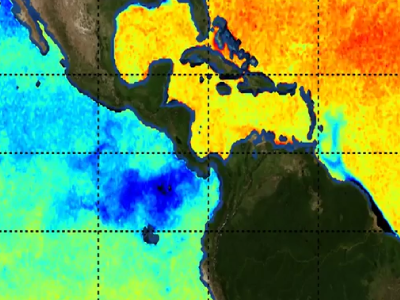
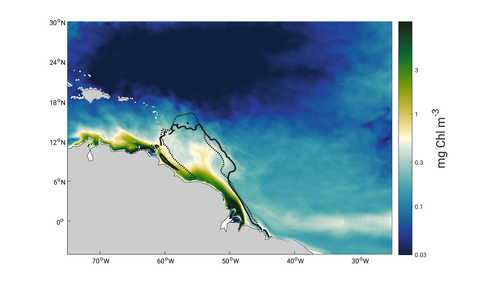
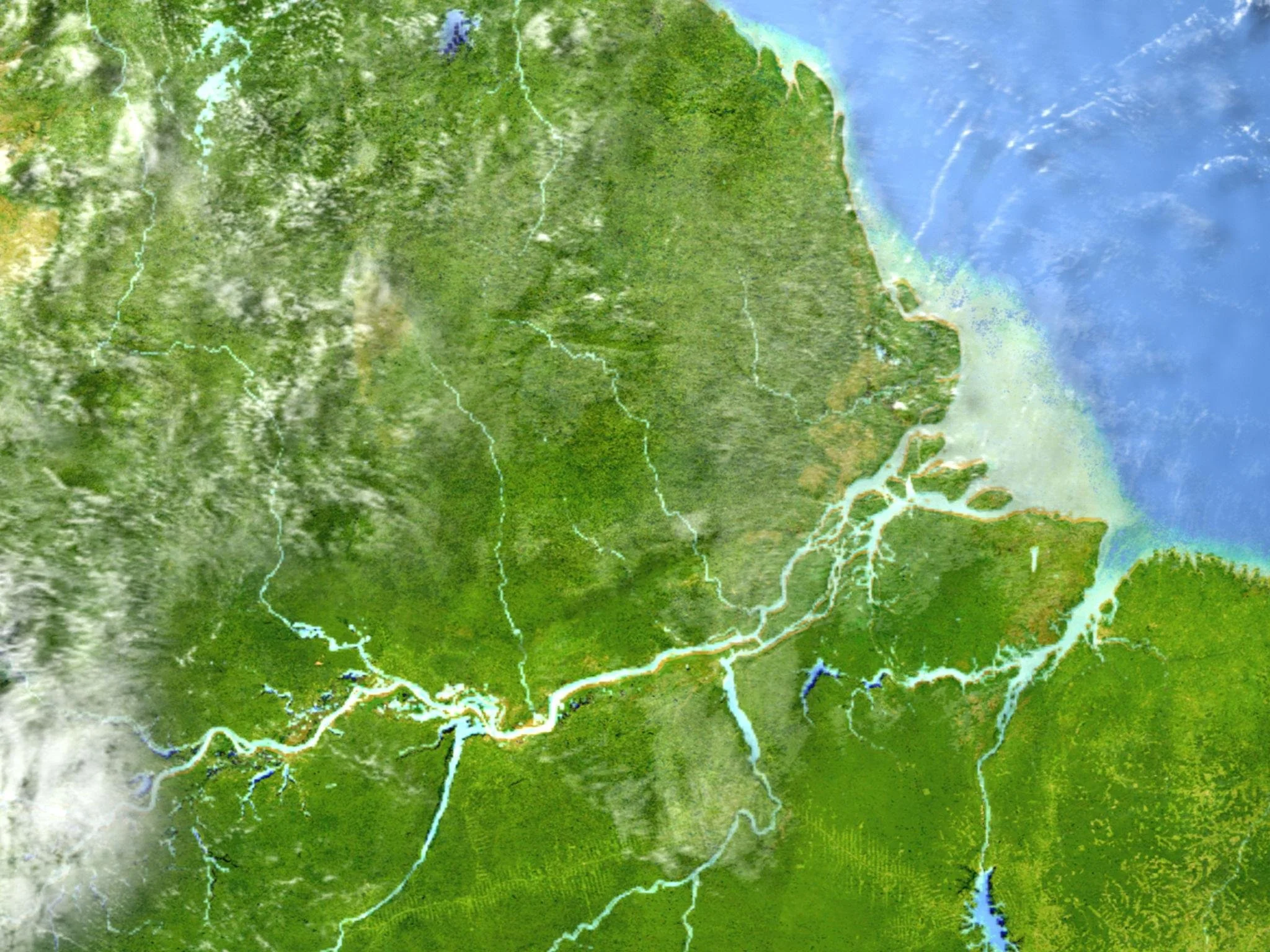
This study explores the Amazon River plume continuum, one of the most influential land–ocean systems on Earth. The Amazon River, the world’s largest river by discharge, delivers vast quantities of nutrients, suspended sediments, and colored dissolved organic matter (CDOM) into the Western Tropical North Atlantic Ocean. As freshwater enters the ocean, it forms a 5–20 meter–thick surface plume that can extend more than 3,000 km offshore and cover nearly 2 million km².
As the plume moves northward and gradually mixes with oceanic waters, it creates a strong environmental gradient in light availability, nutrient concentrations, and carbonate chemistry. These changing conditions exert a powerful control on phytoplankton community structure along the plume continuum.
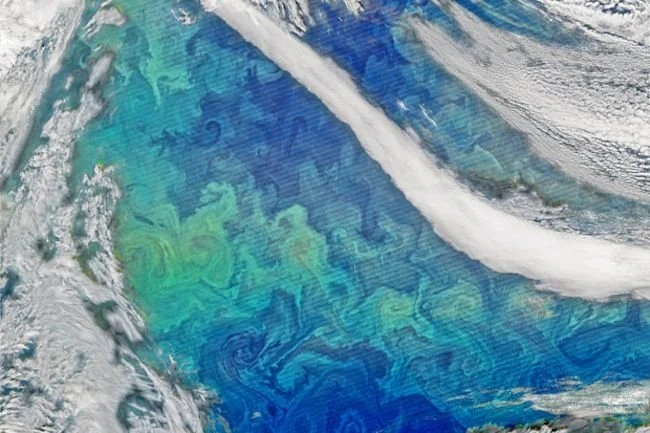
Near the river mouth, phytoplankton growth is light-limited due to extremely high concentrations of suspended particles and CDOM, which strongly absorb short-wavelength light. Farther offshore, as waters become clearer and nutrient regimes shift, the system supports intense phytoplankton blooms, including large populations of diatom–diazotroph associations (DDAs). These blooms provide a major source of biologically fixed nitrogen and drive substantial atmospheric CO₂ drawdown, linking the Amazon plume directly to regional and global carbon cycling.
Key Findings on Phytoplankton Distribution
Diatoms exhibit strong physiological flexibility, including efficient carbon-concentrating mechanisms, allowing them to thrive across a wide range of pCO₂ conditions.
Diatom–Diazotroph Associations (DDAs) dominate plume waters within a relatively narrow pCO₂ window (350–400 ppm), where conditions favor both carbon fixation and nitrogen input.
The nitrogen-fixing cyanobacterium Trichodesmium occurs across a broad range of pCO₂ levels, but highest abundances are observed at elevated pCO₂ values, exceeding 500 ppm.