

Are Low-Salinity Waters a Remedy for Noctiluca scintillans Blooms in the Arabian Sea?
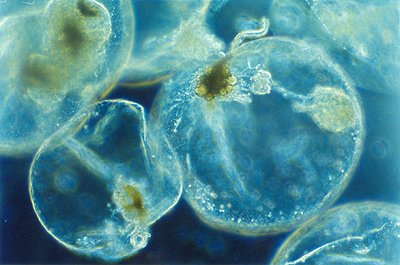
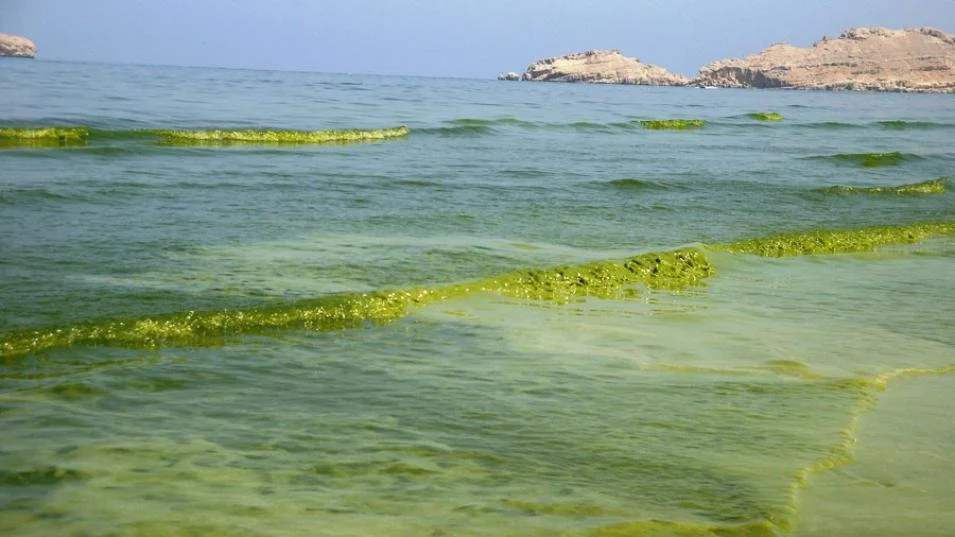
This study examines whether salinity gradients can influence the growth and dominance of Noctiluca scintillans, a mixotrophic dinoflagellate responsible for increasingly severe harmful algal blooms (HABs) in the Arabian Sea over the past two decades.
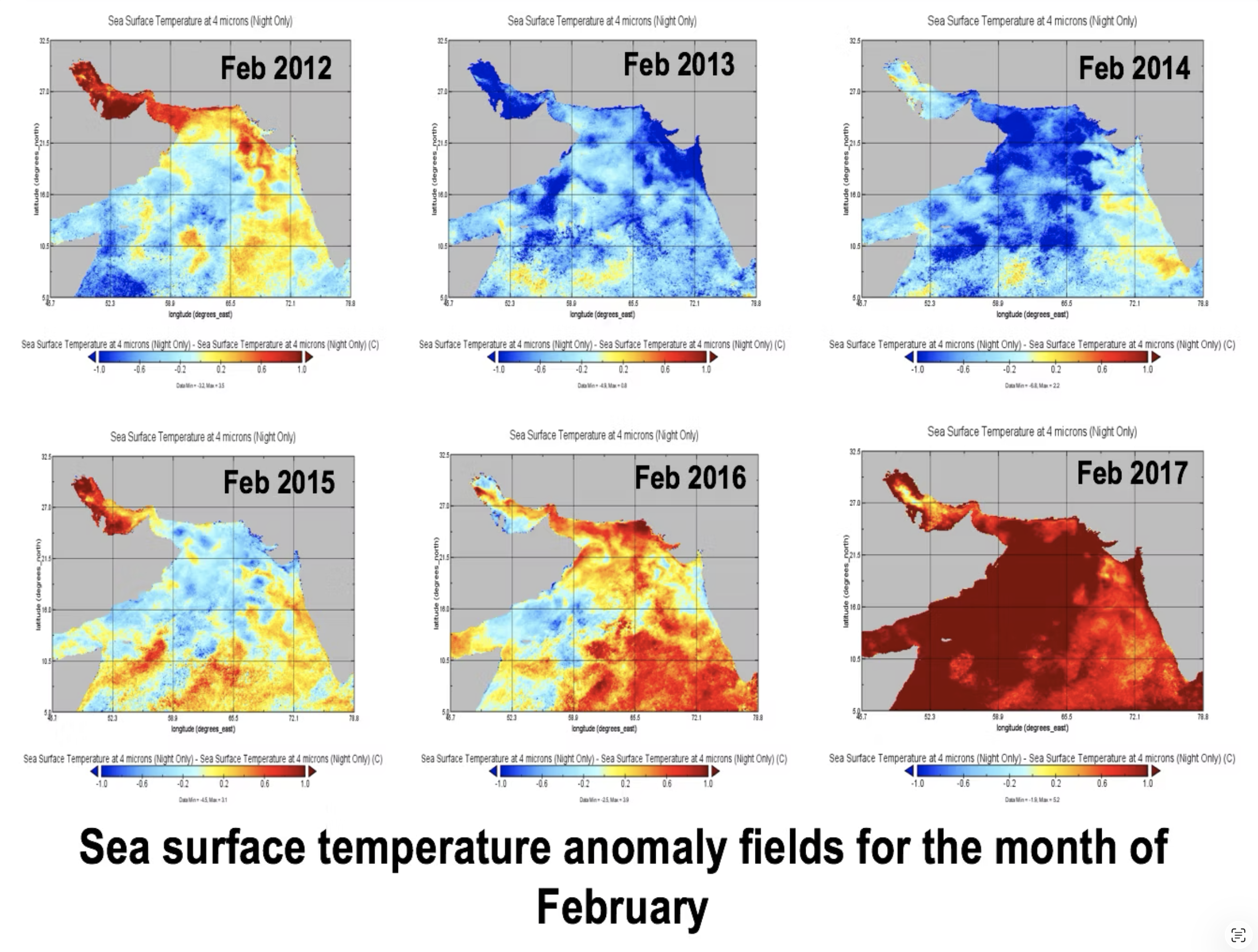
Noctiluca is uniquely competitive because it combines heterotrophy, consuming other phytoplankton, with autotrophy, supported by dense populations of photosynthetic symbionts (Pedinomonas noctilucae) housed within each cell. This dual nutritional strategy has allowed Noctiluca to thrive under changing ocean conditions driven by nutrient pollution, ocean acidification, and intensified monsoonal upwelling, all of which have made the Arabian Sea increasingly favorable to bloom formation.
The ecological and societal consequences are severe. Massive blooms, including one in 2015 that covered an area three times the size of Texas, have caused widespread oxygen depletion, fish mortality, and food-web disruption. Because many nations surrounding the Arabian Sea rely heavily on fisheries, these blooms contribute directly to economic instability and food insecurity in coastal communities.
To test whether lower-salinity waters may limit Noctiluca growth, this study experimentally replicated the natural salinity gradient extending from the Arabian Sea around the southern tip of India into the Bay of Bengal. Noctilucacultures were grown for one month across six salinity treatments (26, 28, 30, 32, 34, and 38 psu), with weekly sampling.
Results show that Noctiluca abundance and chlorophyll content were highest at elevated salinities (34–38 psu) and significantly reduced at lower salinities. These findings suggest that Noctiluca scintillansprefers higher-salinity environments, indicating that low-salinity waters may naturally suppress bloom development and help explain why blooms are less intense in the Bay of Bengal compared to the Arabian Sea.