When the Sky Lost Its Shield: UV-B and the Hidden Chemistry of Polar Phytoplankton
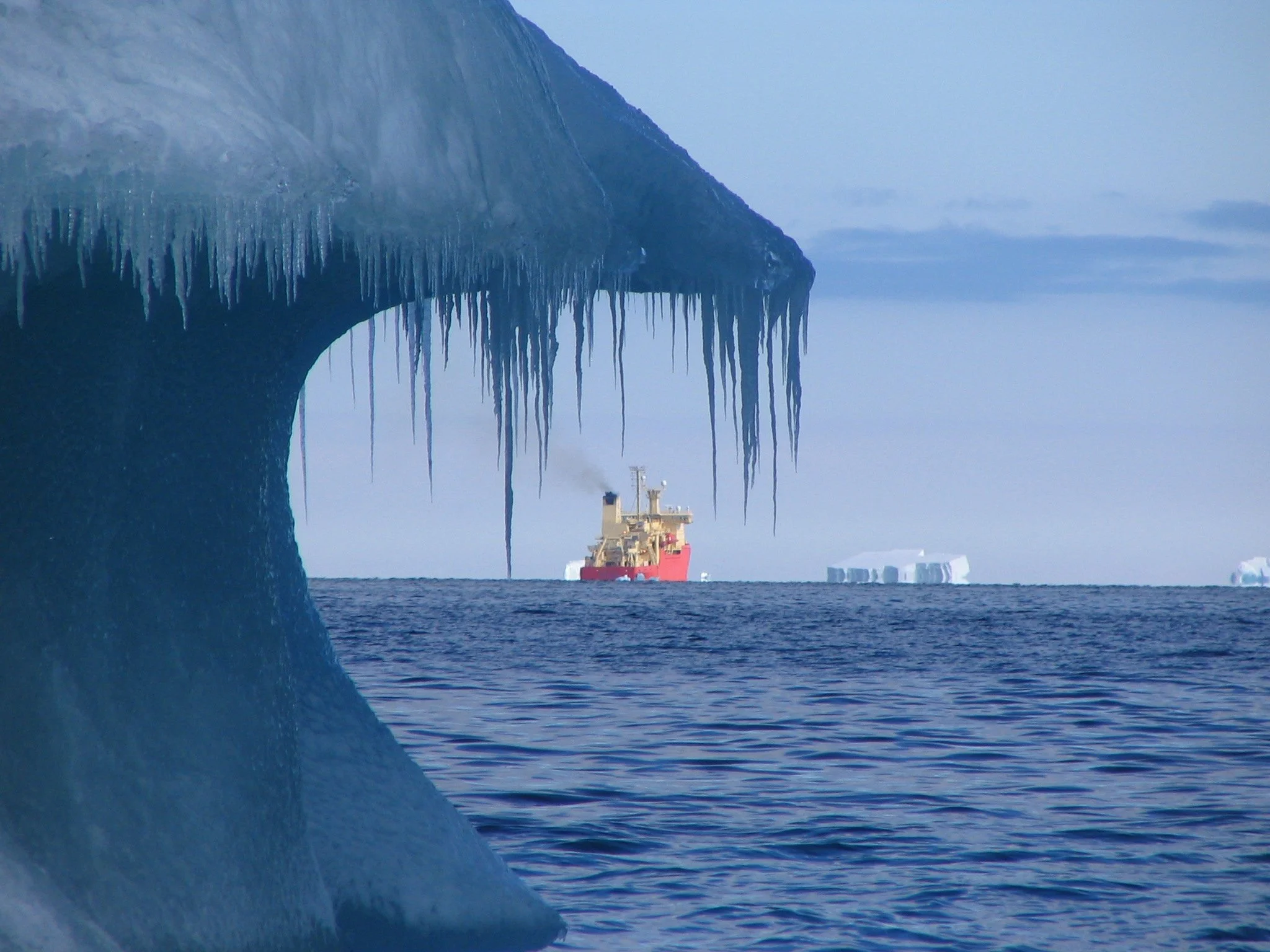
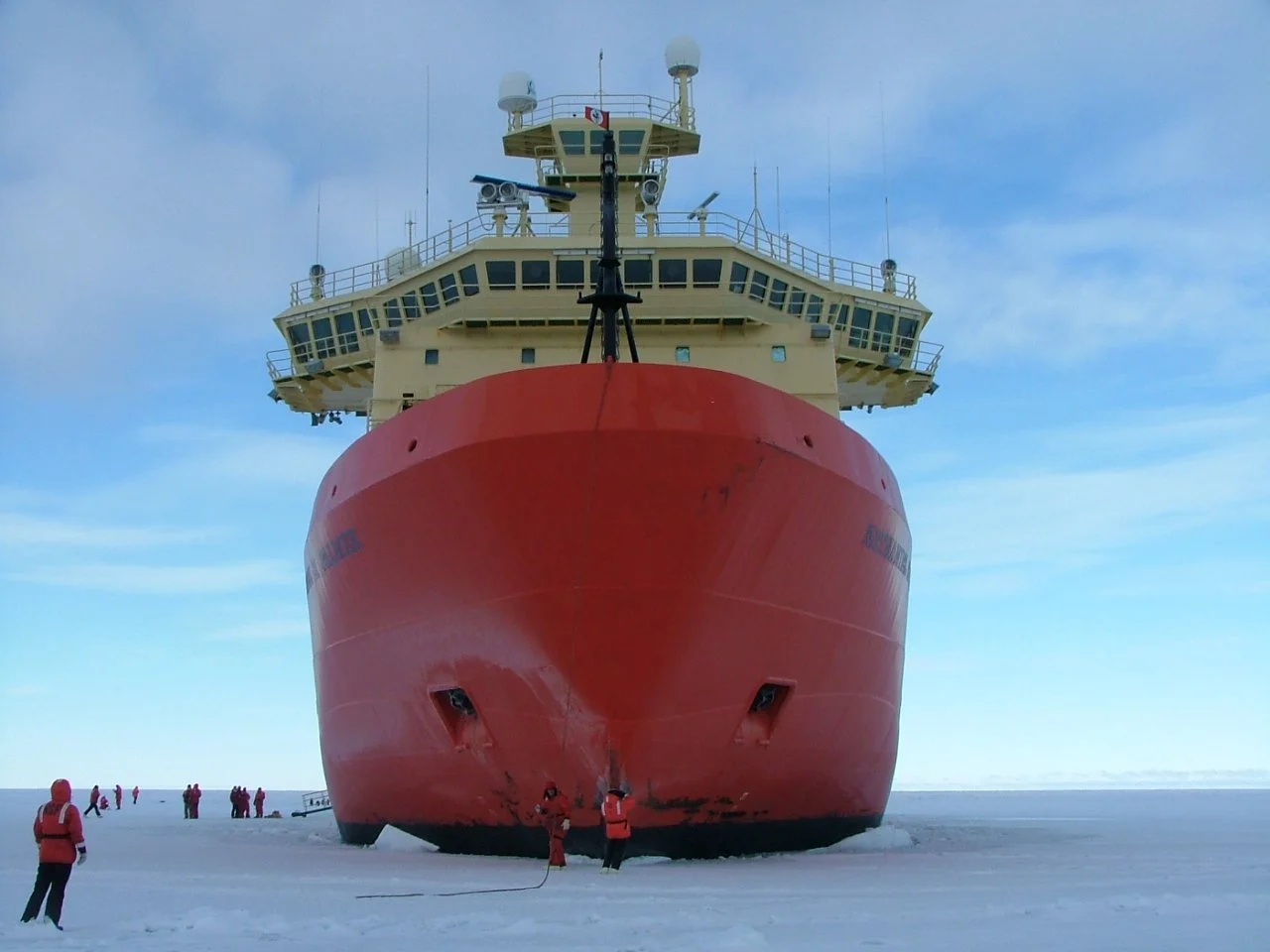
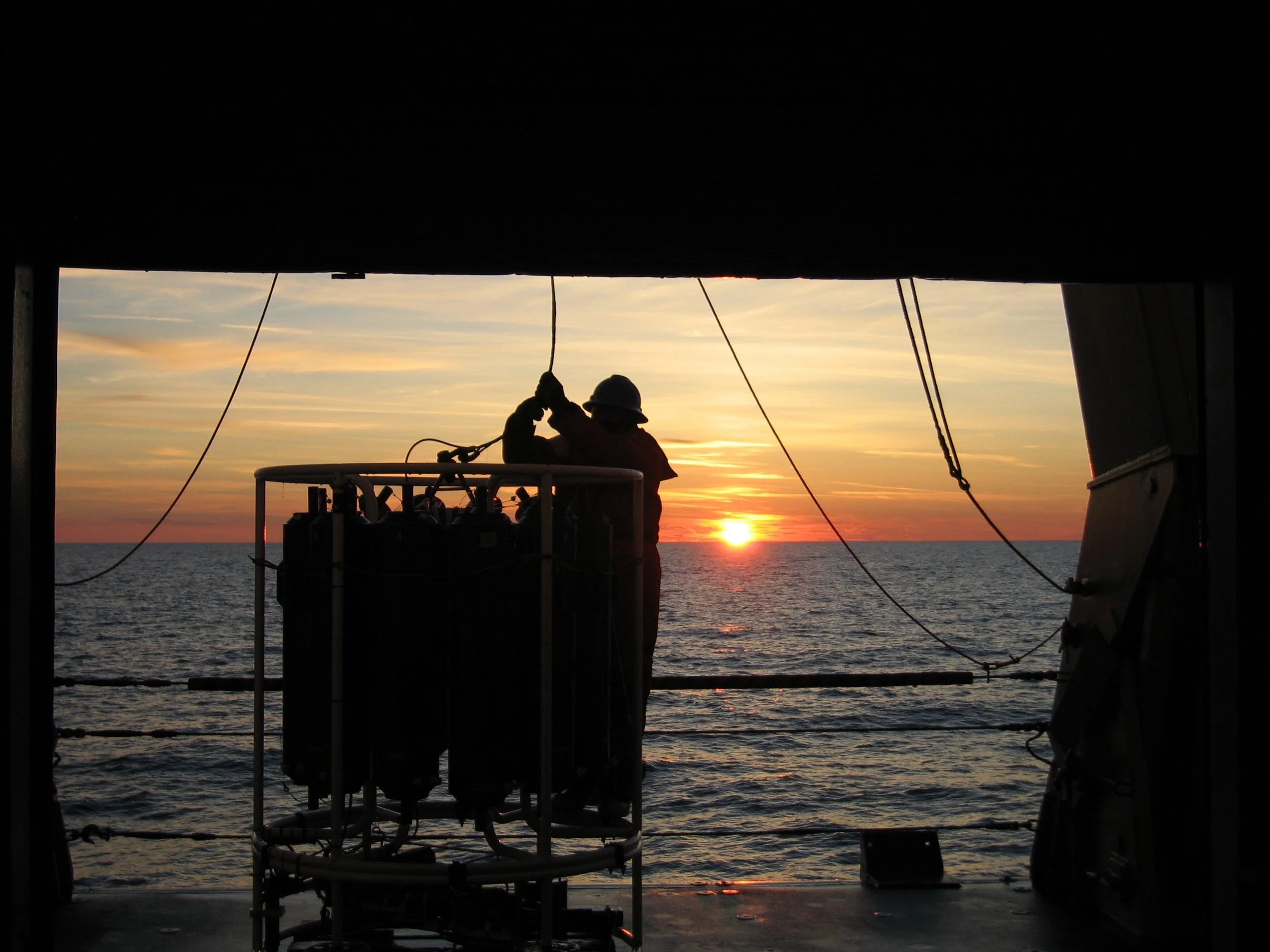
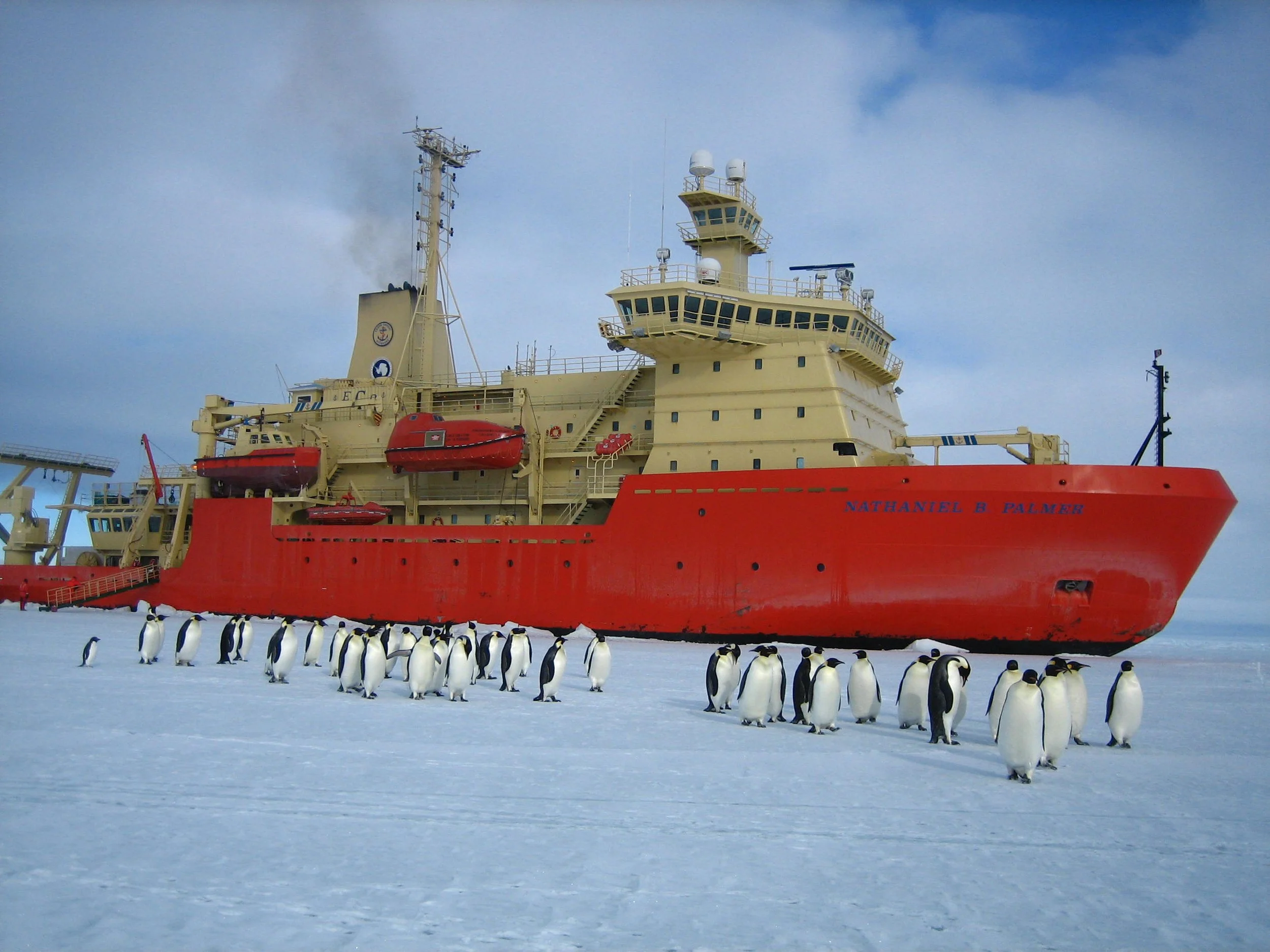
In 1985, scientists from the British Antarctic Survey, UK reported a discovery that stunned the world: each Antarctic spring, the ozone layer high above the continent was thinning dramatically. This seasonal “ozone hole” allowed far more ultraviolet-B (UV-B) radiation to reach the ocean surface than ecosystems had experienced in modern history. The Montreal Protocol, adopted in 1987, successfully curtailed the production of ozone-depleting substances, and slow recovery is underway. Yet over Antarctica, seasonal ozone depletion persists, and every spring the surface ocean is exposed to elevated UV-B during the very months when biological productivity begins to surge.
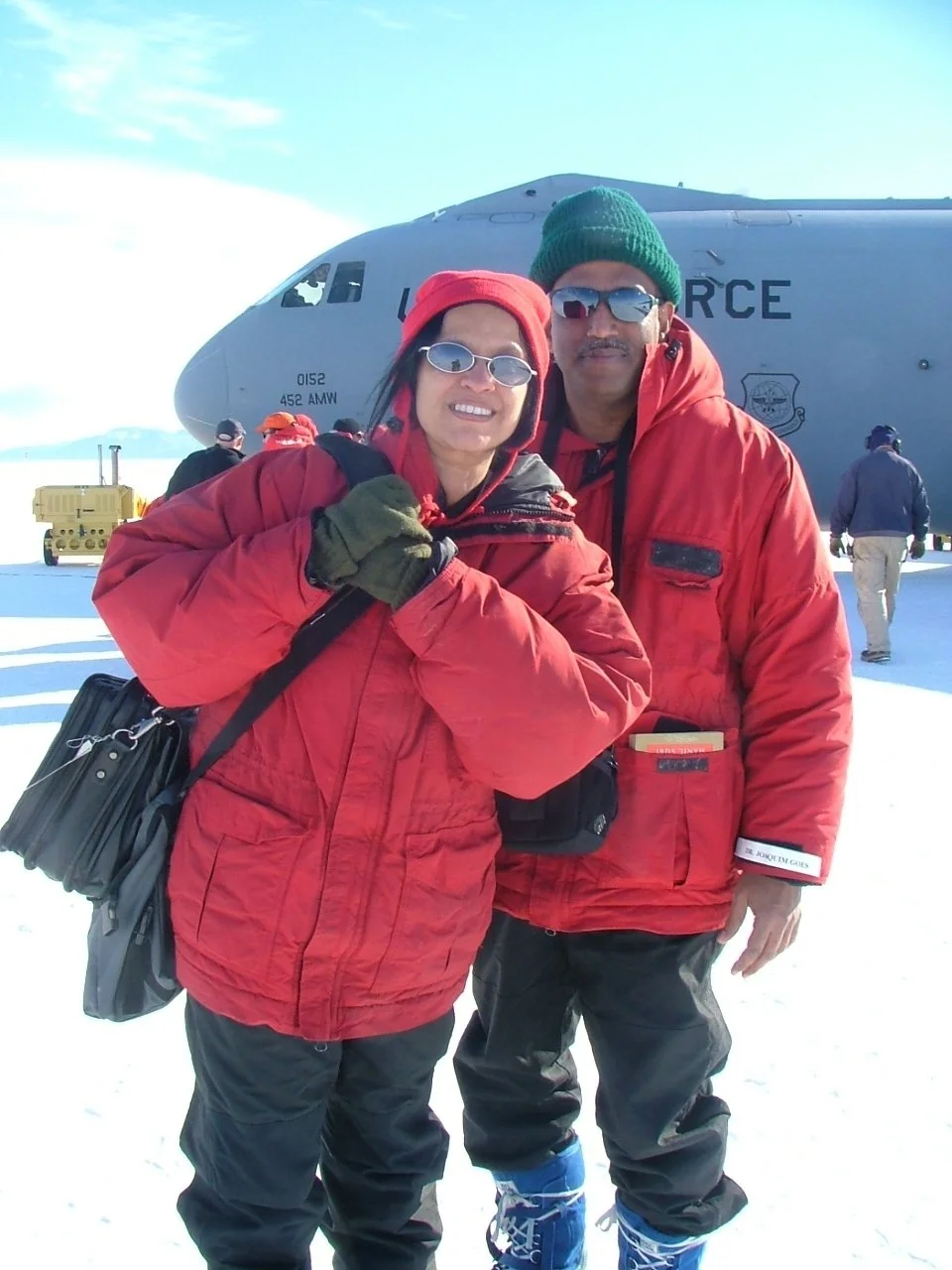
For Joaquim Goes and Helga Gomes, the implications were immediate and profound. If our planet’s protective shield had thinned, what was happening in the ocean below, particularly inside the microscopic phytoplankton that form the foundation of Antarctic marine ecosystems?
Phytoplankton inhabit the sunlit upper layer of the ocean, precisely where UV-B penetrates most strongly. These microscopic plants fix carbon dioxide through photosynthesis, generating organic matter that fuels the entire Antarctic food web, from krill to whales, and contributing significantly to global carbon sequestration. The Southern Ocean is one of Earth’s major carbon sinks. Any factor that alters phytoplankton productivity has global consequences.
Early work established that UV-B radiation damages Photosystem II, a central component of the photosynthetic apparatus. UV exposure impairs electron transport, disrupts key enzymes such as RuBisCO, and induces DNA damage. Goes’ research confirmed that enhanced UV-B reduces photosynthetic efficiency and lowers rates of primary productivity in surface waters. But his most important contributions went beyond measuring declines in carbon fixation. He asked a deeper question: even when phytoplankton continue to fix carbon, does UV-B change what they do with it?
The answer, emerging from his work, was yes.
One of Goes’ major findings was that UV-B radiation significantly suppresses the production of polyunsaturated fatty acids (PUFAs) in Antarctic phytoplankton. PUFAs are critical components of cellular membranes, especially in cold environments where membrane fluidity must be maintained at low temperatures. In Antarctic waters, PUFAs allow phytoplankton cells to remain physiologically functional in near-freezing conditions. They are also essential nutrients for higher trophic levels. Krill and fish depend on PUFA-rich phytoplankton to meet their metabolic needs.
Under elevated UV-B exposure, phytoplankton alter their lipid metabolism. The synthesis of highly unsaturated fatty acids declines, and membrane composition shifts. This biochemical change has two major implications. First, altered membrane composition can reduce cellular resilience and affect growth. Second, even if total phytoplankton biomass appears unchanged, its nutritional quality declines. A bloom exposed to strong UV-B may look productive in satellite imagery, but its biochemical value to grazers may be significantly diminished.
Goes’ work also revealed that UV-B radiation reshapes amino acid composition within phytoplankton cells. Exposure to enhanced UV stress forces cells to divert energy toward repair mechanisms and protective protein synthesis. Essential amino acids, those most valuable to consumers higher up the food chain, can decline relative to stress-related proteins. This shift reflects a fundamental metabolic trade-off: resources that would normally support growth and balanced protein synthesis are reallocated toward survival.
Carbohydrate metabolism is similarly affected. UV-B exposure alters carbon partitioning within the cell, changing how fixed carbon is distributed among structural carbohydrates, storage compounds, and metabolic intermediates. Instead of channeling carbon efficiently into growth and biomass production, phytoplankton under UV stress exhibit metabolic reorganization consistent with defensive adaptation. The balance between lipids, proteins, and carbohydrates shifts, reflecting a cell operating under constraint.
Taken together, these findings reveal that UV-B radiation does not merely reduce how much carbon phytoplankton fix. It rewires how carbon flows through cellular pathways.
At the cellular scale, this means altered membrane stability, slower growth, and increased metabolic costs. At the ecosystem scale, it means changes in food quality for grazers such as Antarctic krill, organisms that underpin one of the most iconic marine food webs on Earth. At the biogeochemical scale, it means potential changes in carbon export efficiency to the deep ocean. The biochemical composition of phytoplankton influences how readily organic matter sinks and how efficiently carbon is transferred through trophic levels.
In this way, Goes’ research bridged atmospheric chemistry and marine biogeochemistry. The thinning of the ozone layer, a phenomenon occurring tens of kilometers above Earth’s surface, leaves a molecular imprint inside phytoplankton cells in the Southern Ocean. The effects cascade from atmospheric processes to cellular metabolism, from lipid synthesis to ecosystem productivity, and ultimately to climate regulation.
Today, although ozone recovery is progressing slowly, climate change introduces new complexities. Reductions in sea ice, increased stratification, and changes in mixing depth can enhance light exposure in surface waters, potentially amplifying UV-B effects. The interaction between atmospheric recovery and ocean warming creates a dynamic and evolving environment for Antarctic phytoplankton.
The legacy of this work is clear: the ozone hole is not just an atmospheric story. It is a biological and biochemical one. By demonstrating that UV-B alters PUFA production, amino acid composition, and carbohydrate allocation, Joaquim Goes showed that enhanced radiation reshapes the very chemistry of life at the base of the Antarctic food web.
In Antarctica, when the sky thinned, the consequences were written not only in satellite images of ozone depletion, but in the shifting metabolic pathways of microscopic marine plants — organisms whose quiet work helps regulate the planet’s climate.