Watch Dr. Joaquim Goes and Hari Sreenivasan Discuss Noctiluca on PBS
In the middle of the Arabian Sea Algae Blooms are taking over the base of the food chain which could prove catastrophic for 120 million people living on the sea’s edge. Joaquim Goes, Research Professor at Columbia University’s Lamont-Doherty Earth Observatory in New York City joins Hari Sreenivasan to discuss this growing problem.
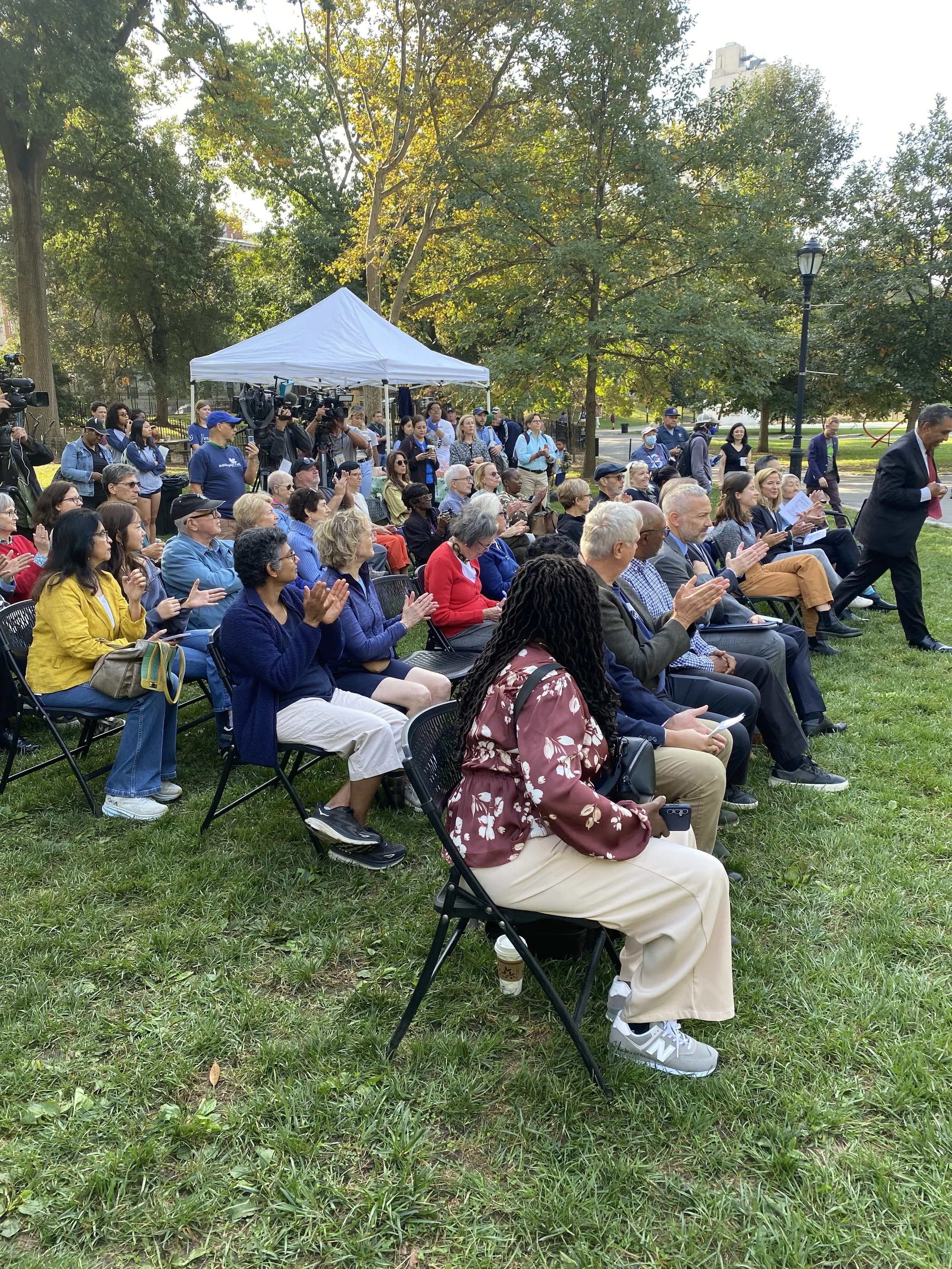
Outreach & Community Engagement
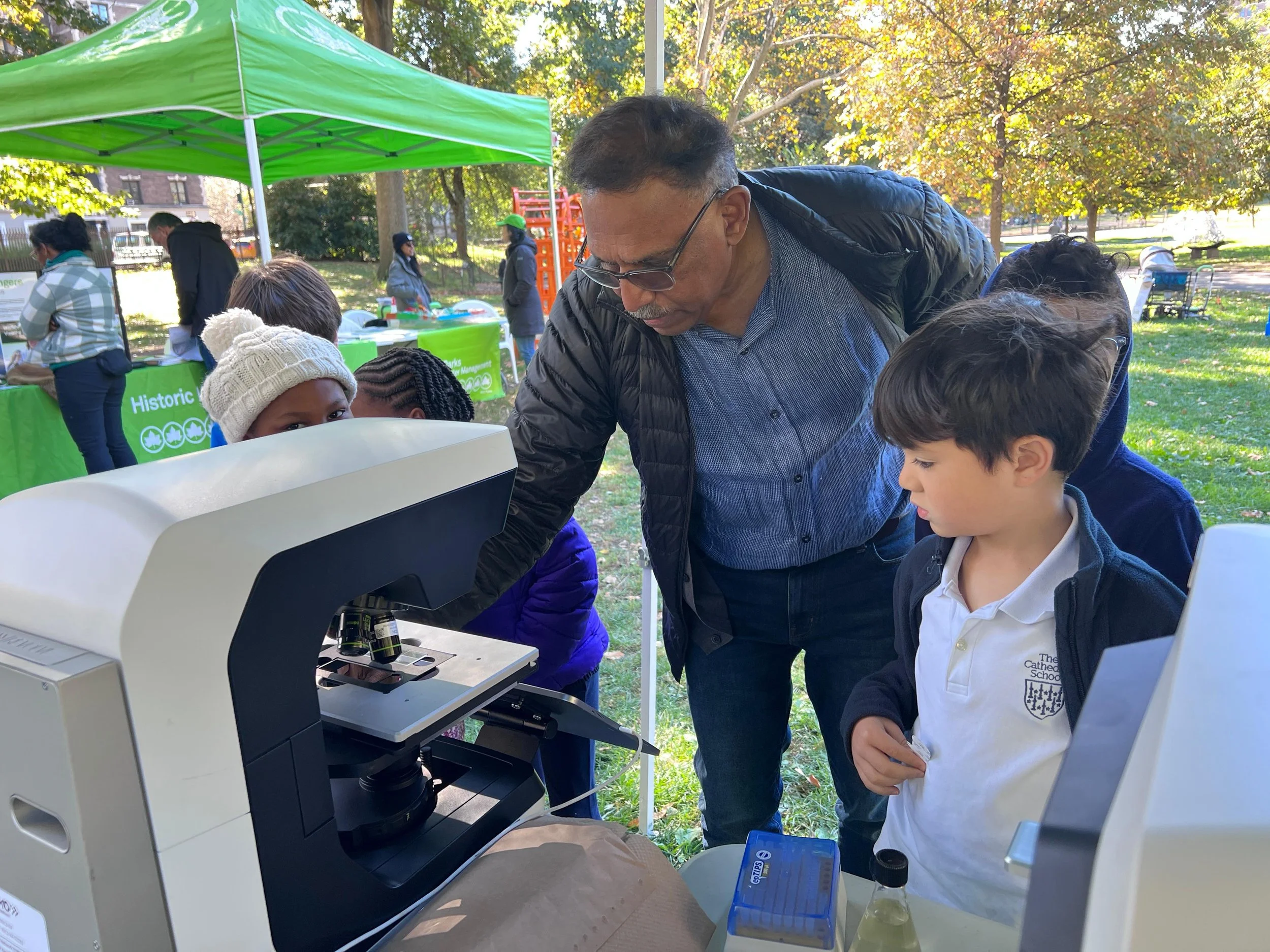
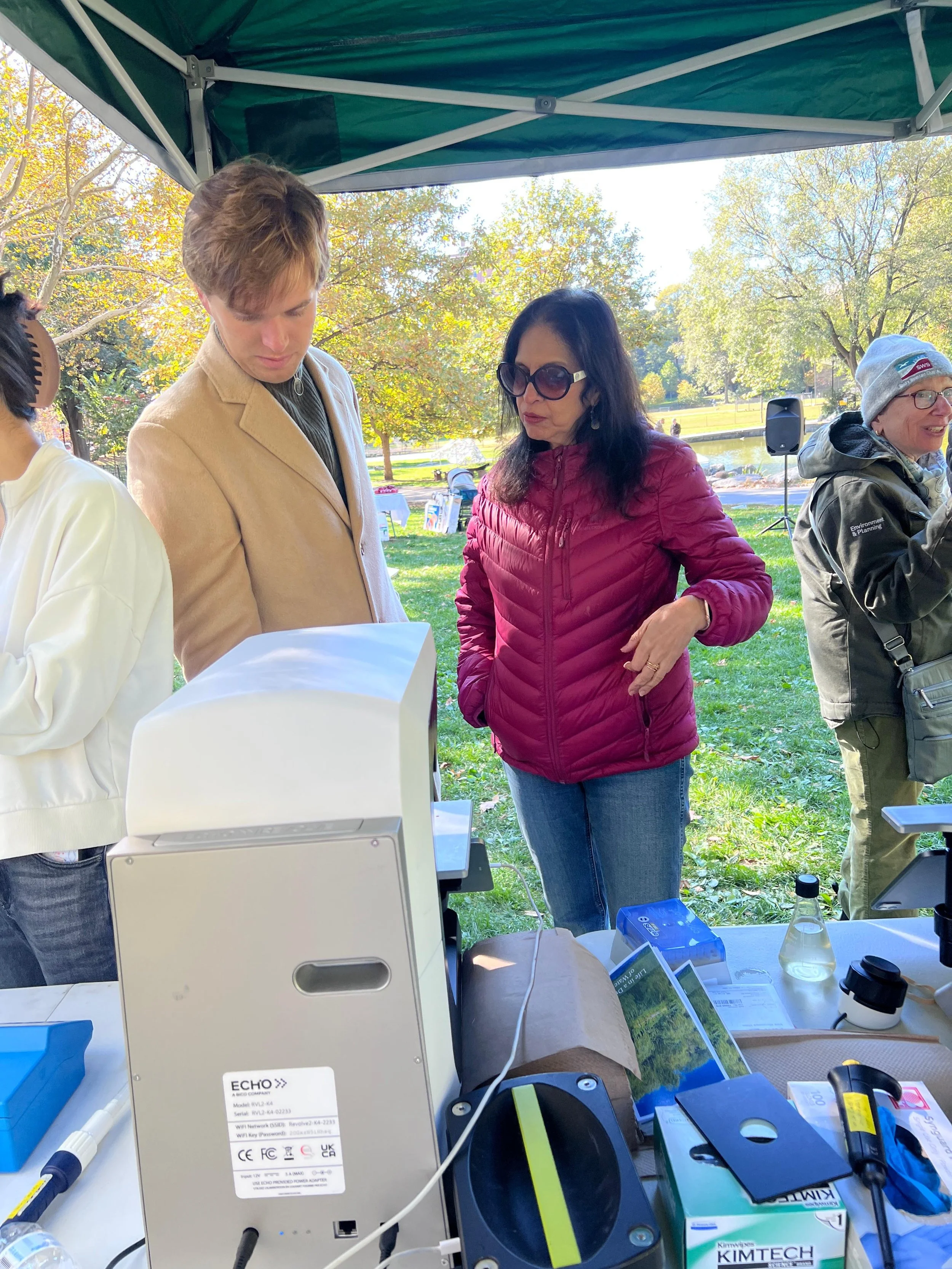
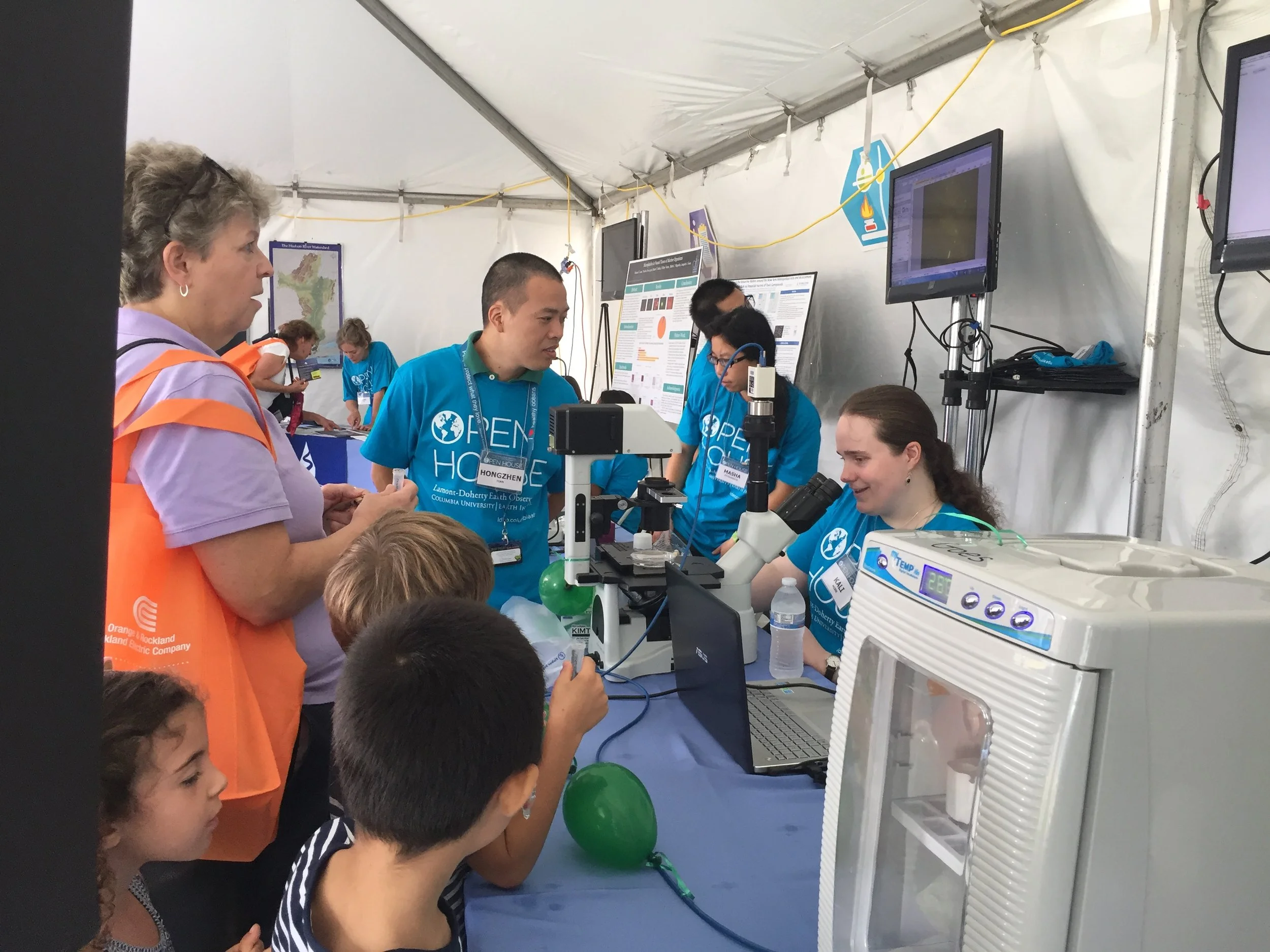
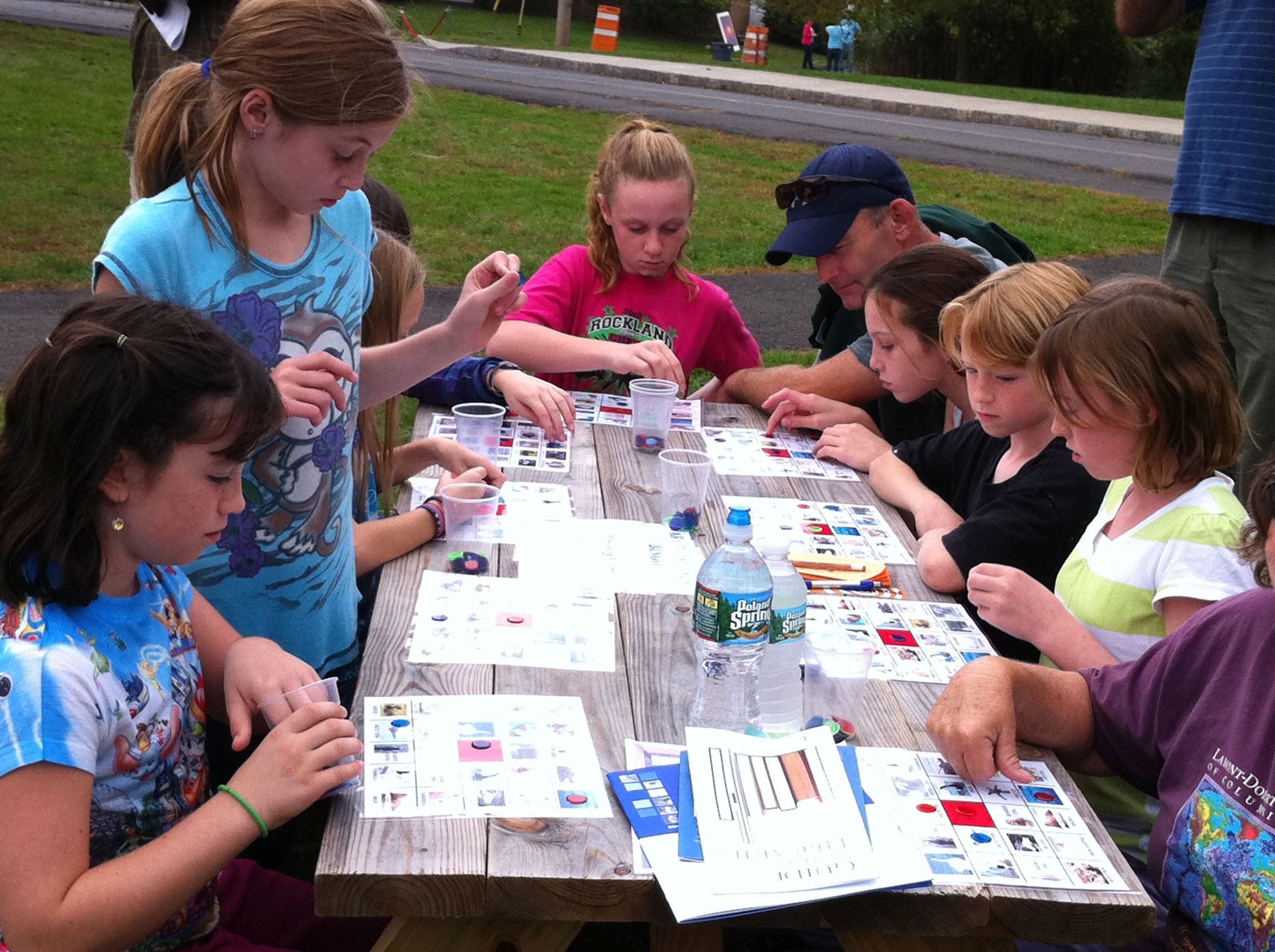
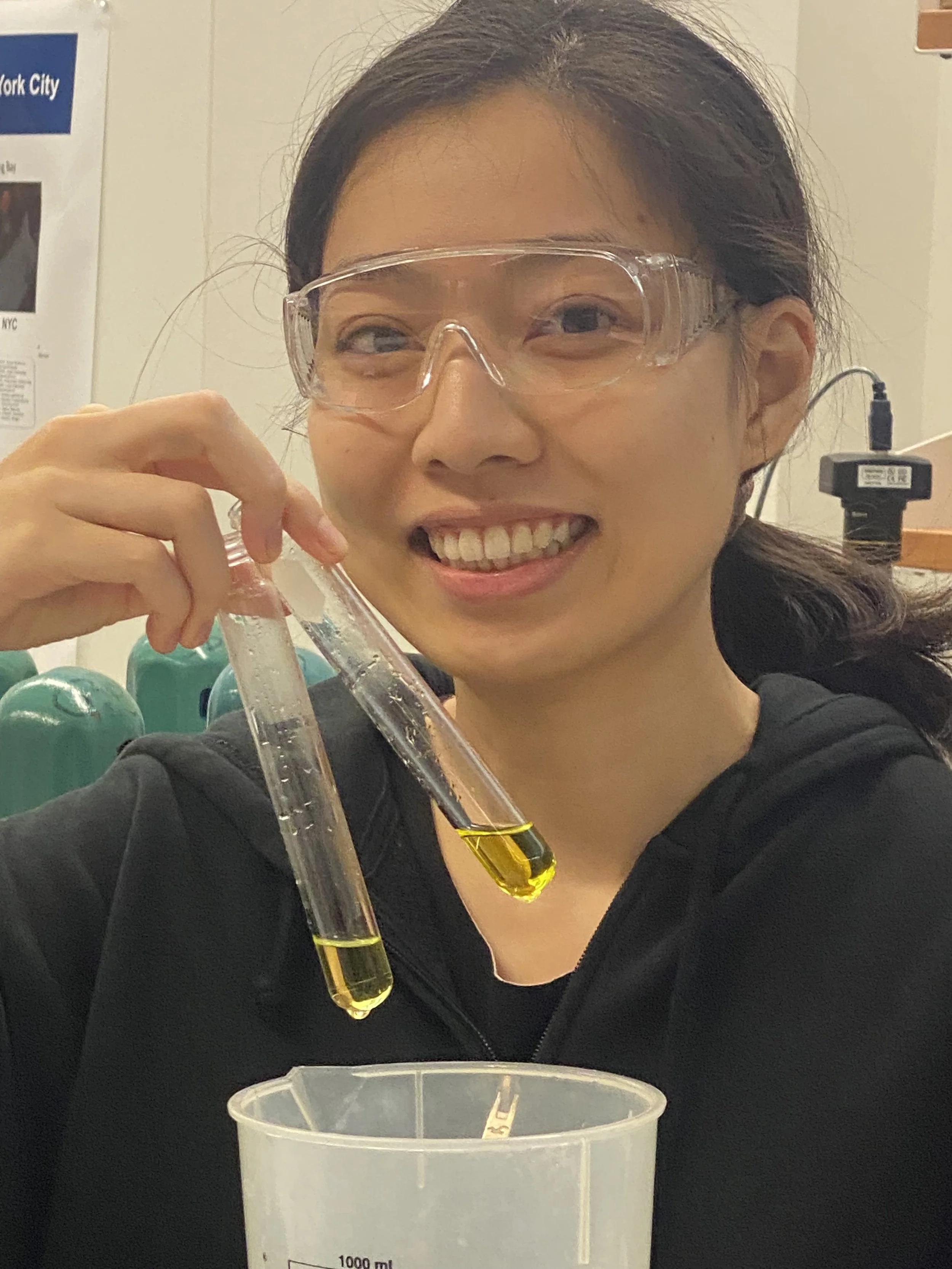
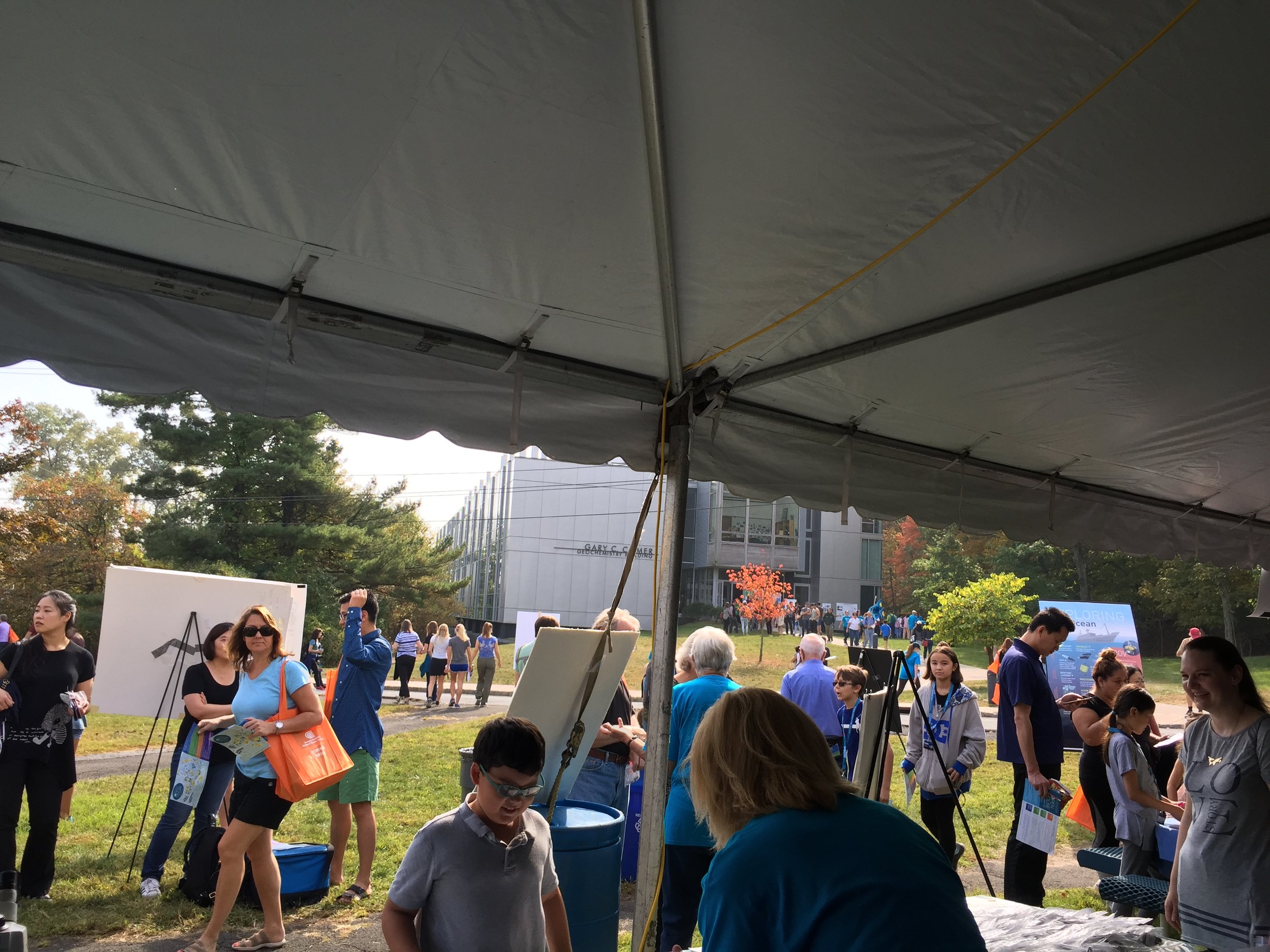
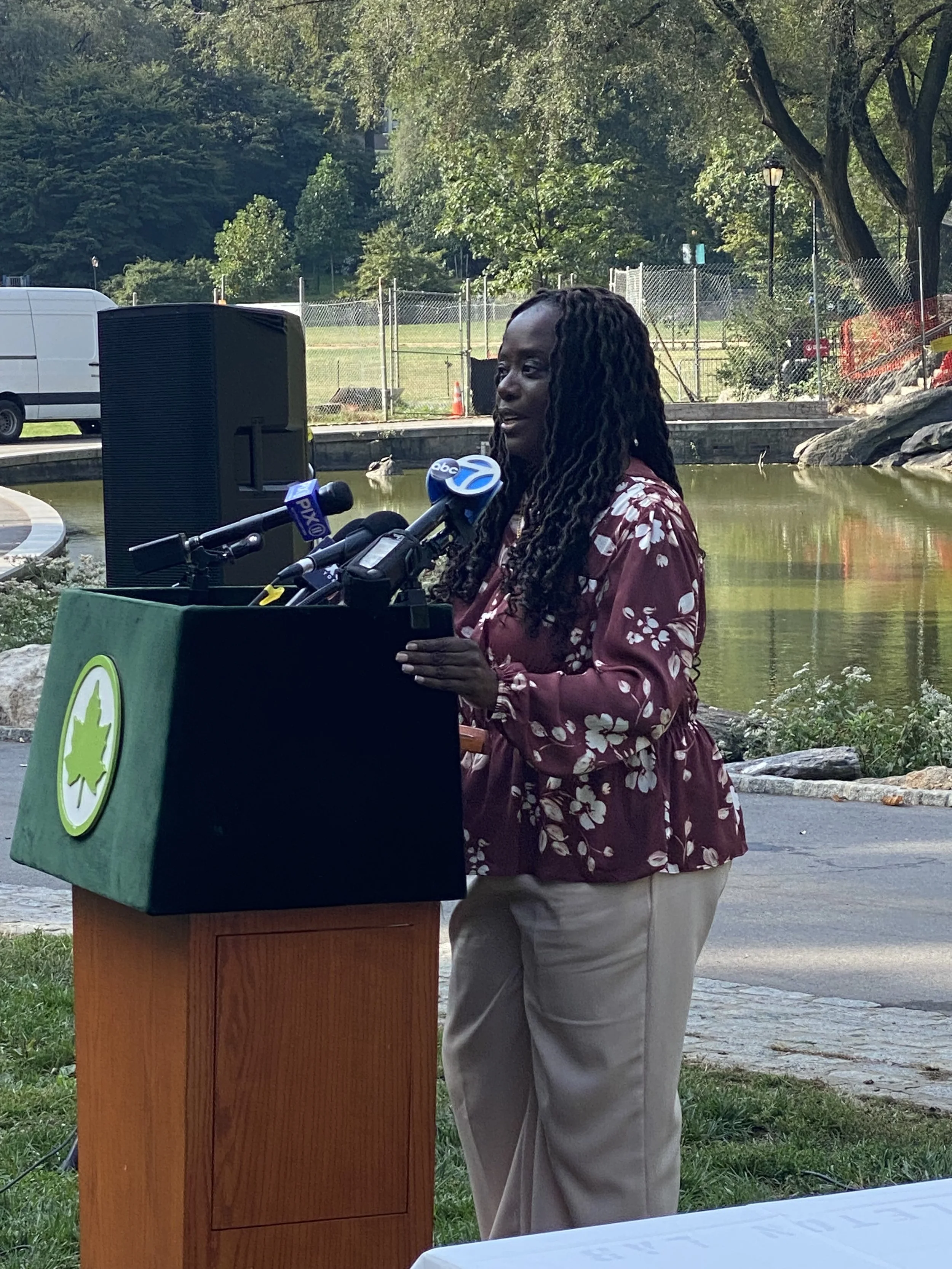
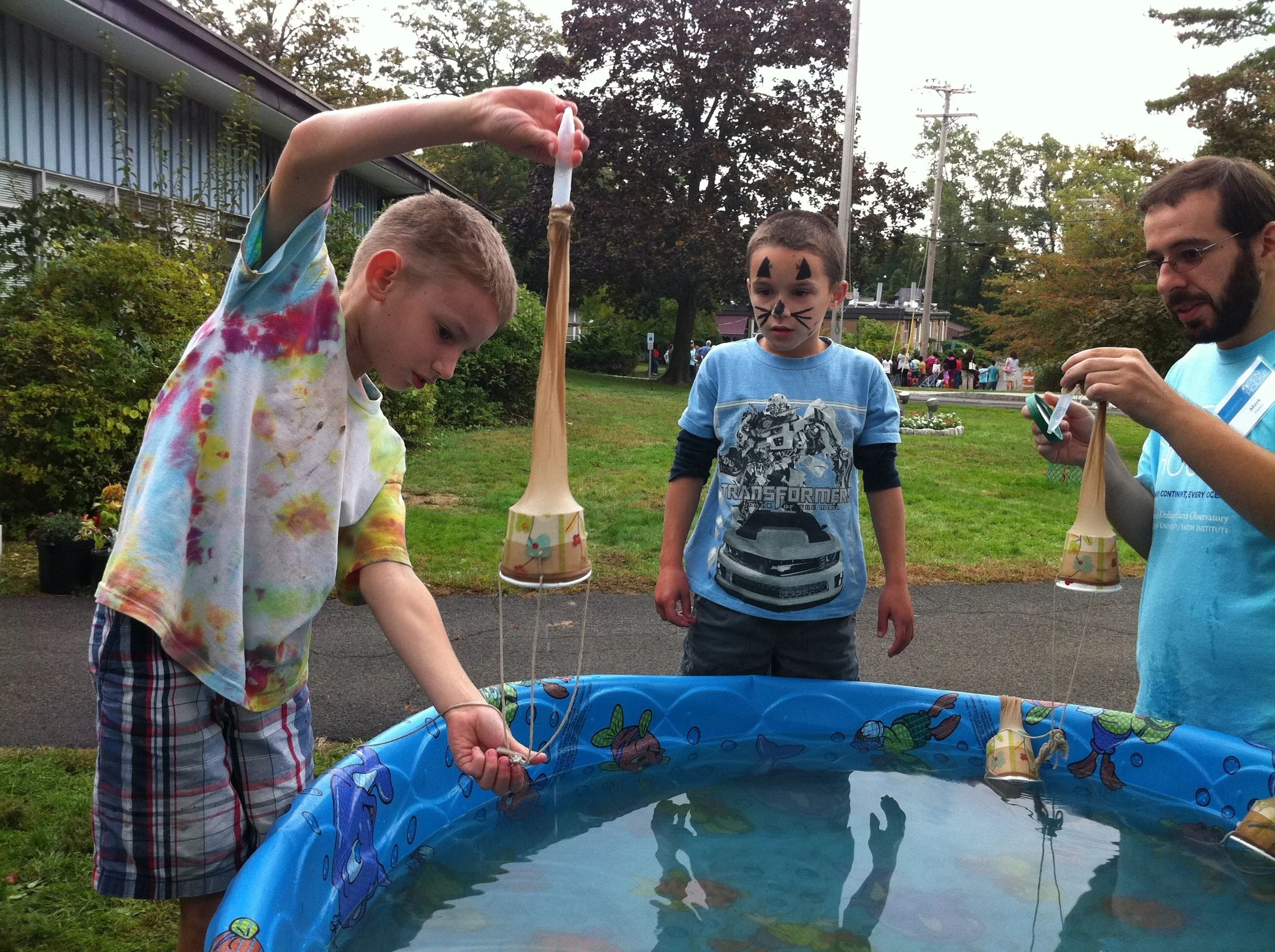
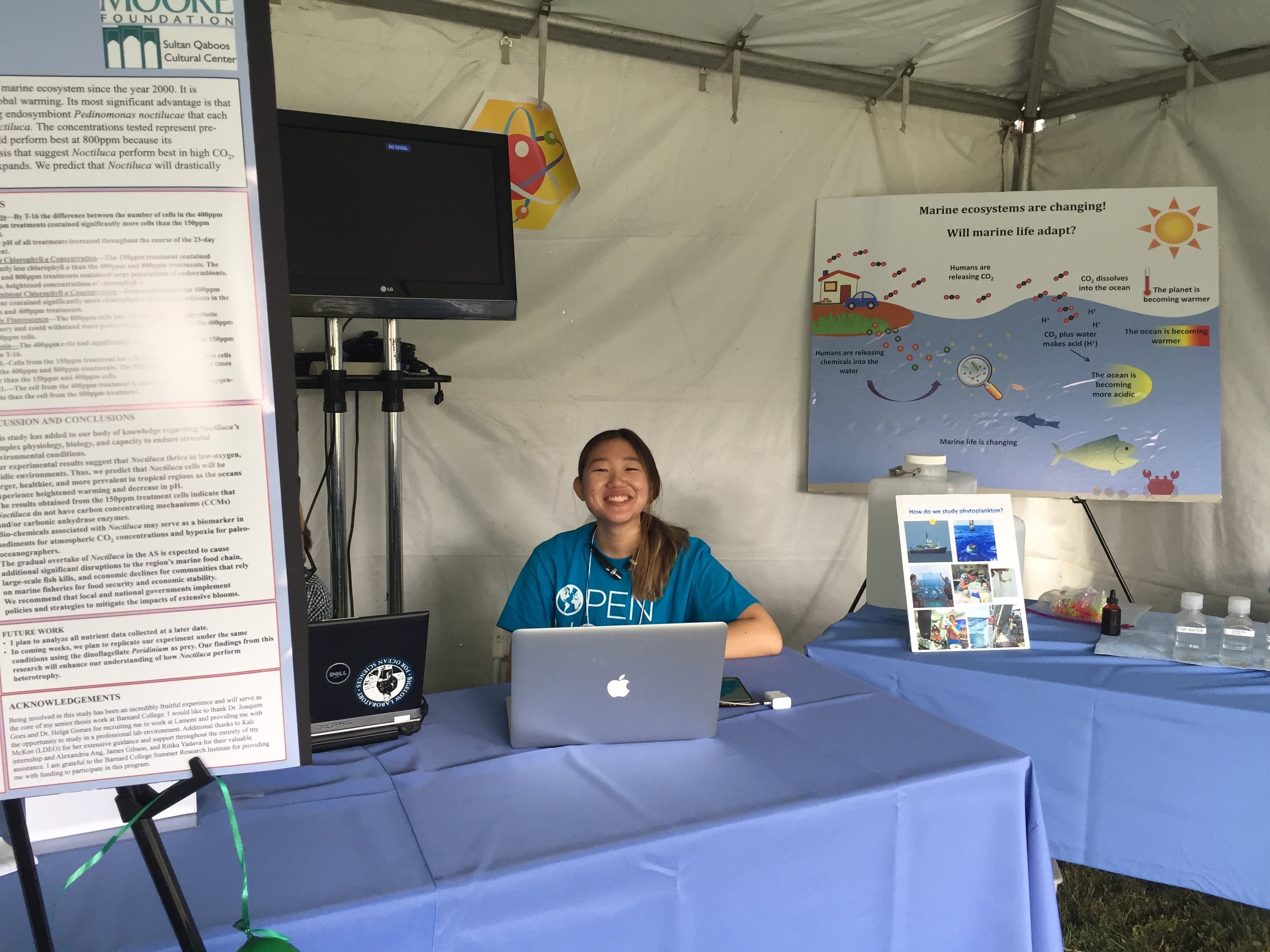
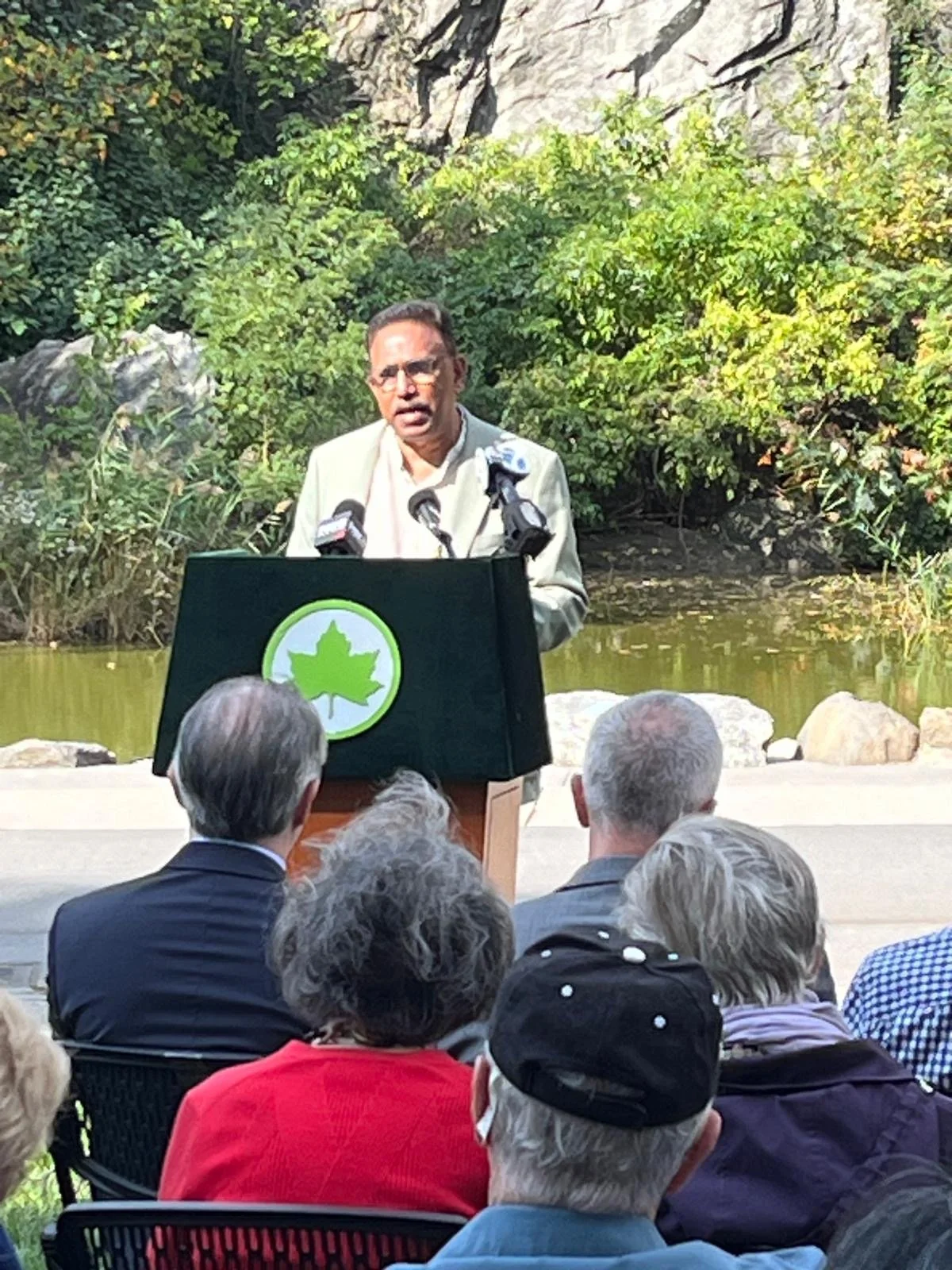
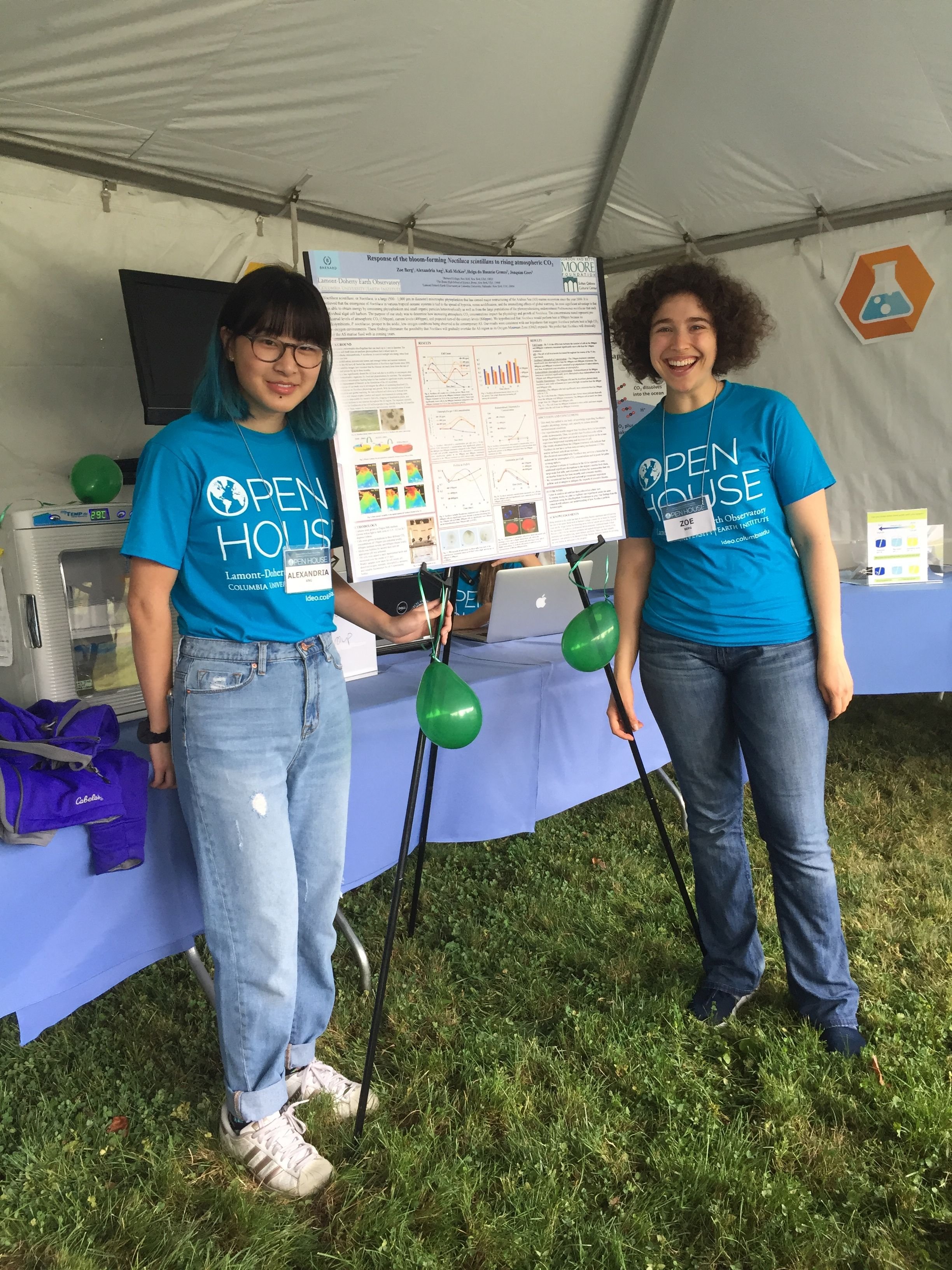
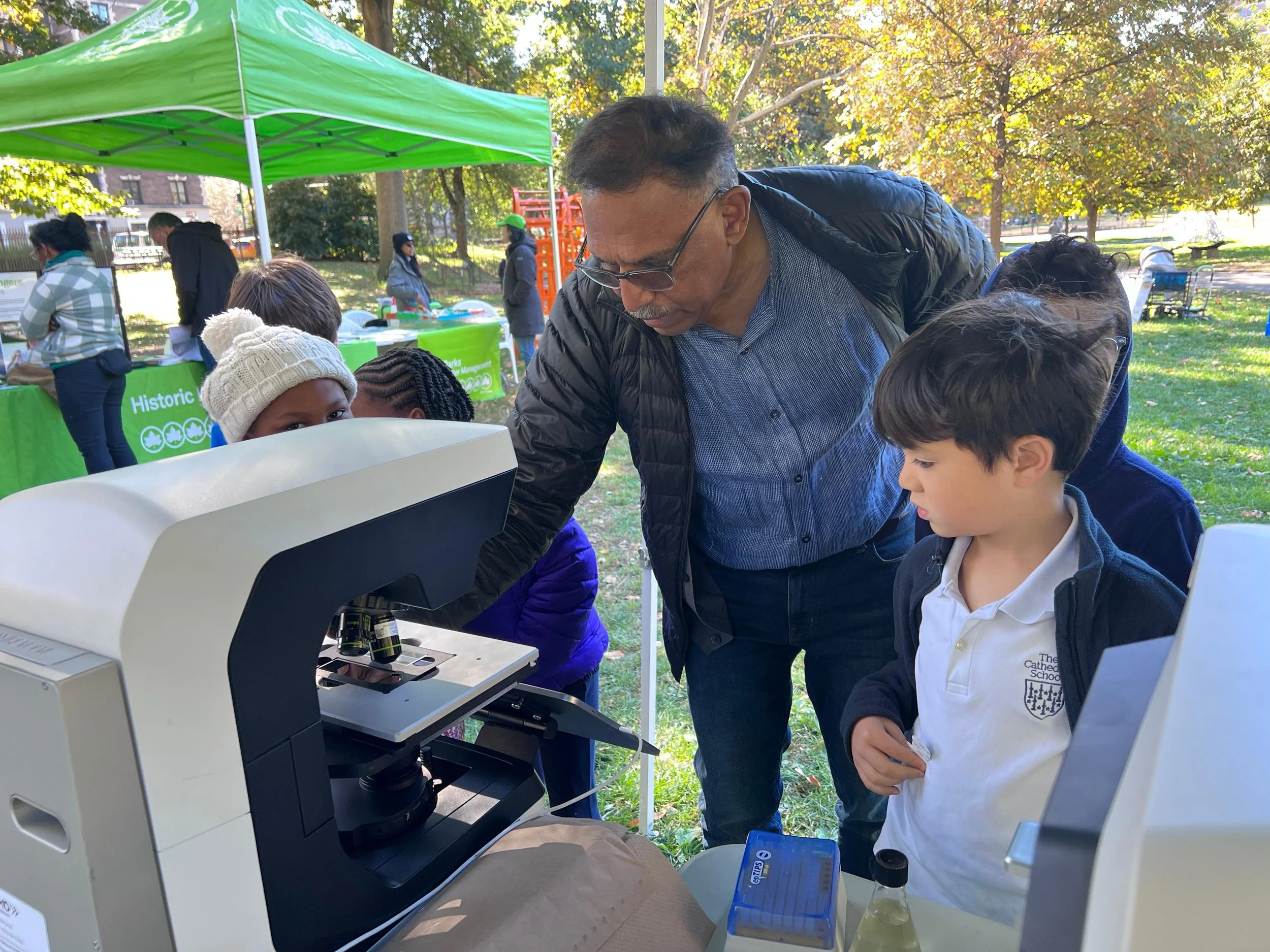
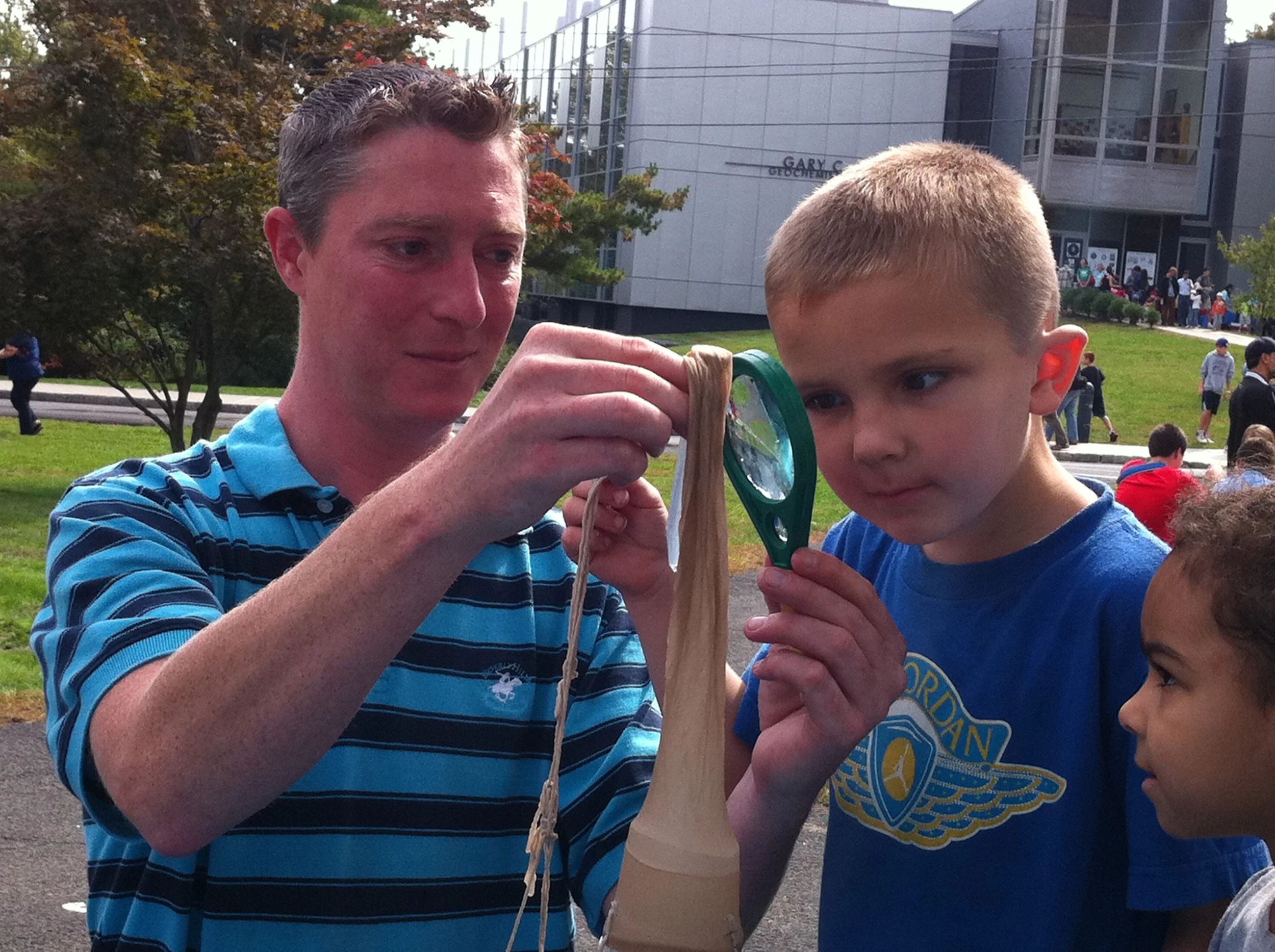
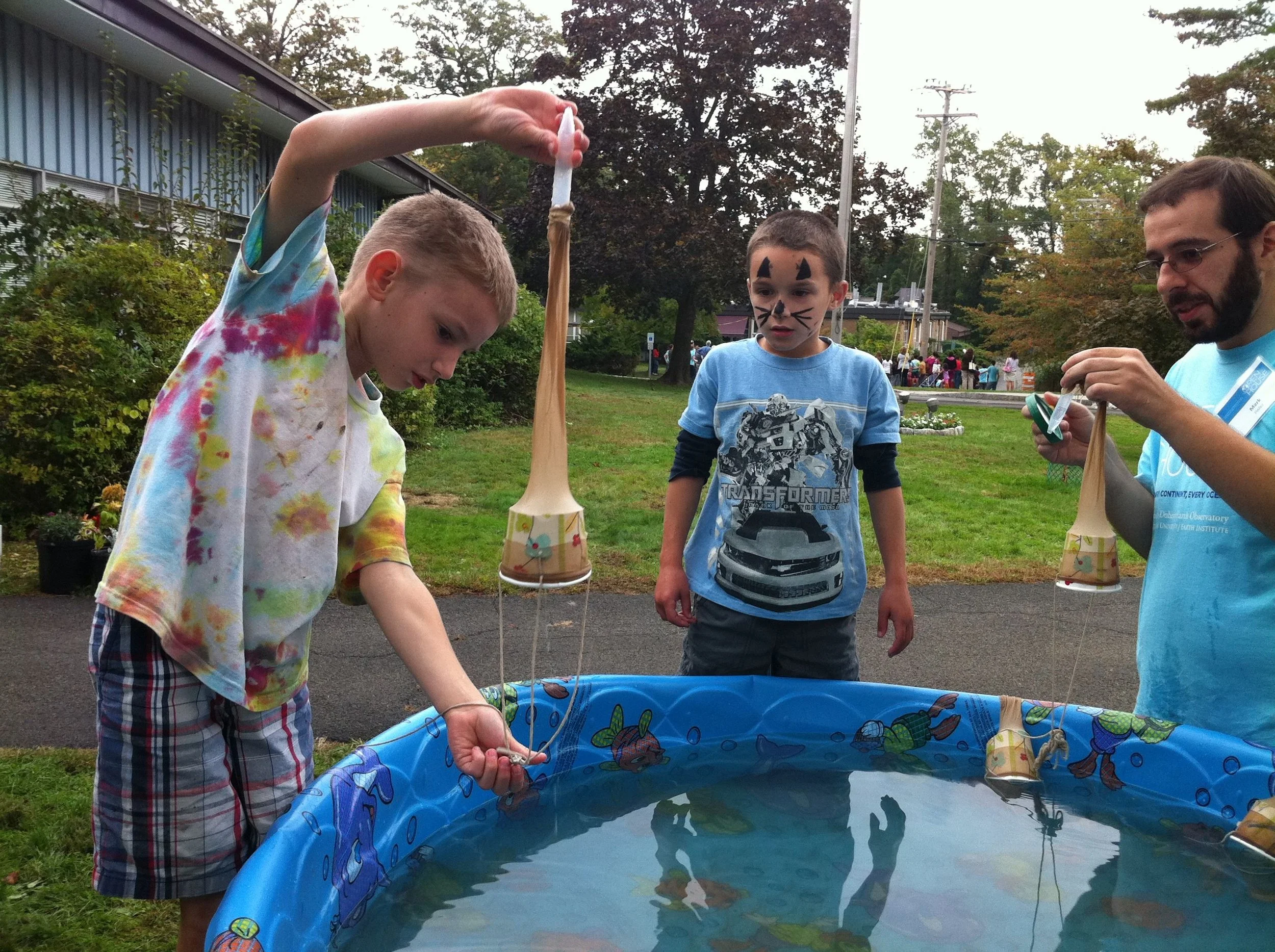
The Goes-Gomes Lab is committed to increasing public understanding of the oceans, with a focus on the microscopic organisms that form the foundation of marine food webs. Through school visits, public lectures, workshops, and partnerships with community and environmental organizations both locally, within the state and overseas, we translate our oceanographic research and field studies into accessible, engaging learning experiences for diverse audiences.
Life at the Base of the Food Web
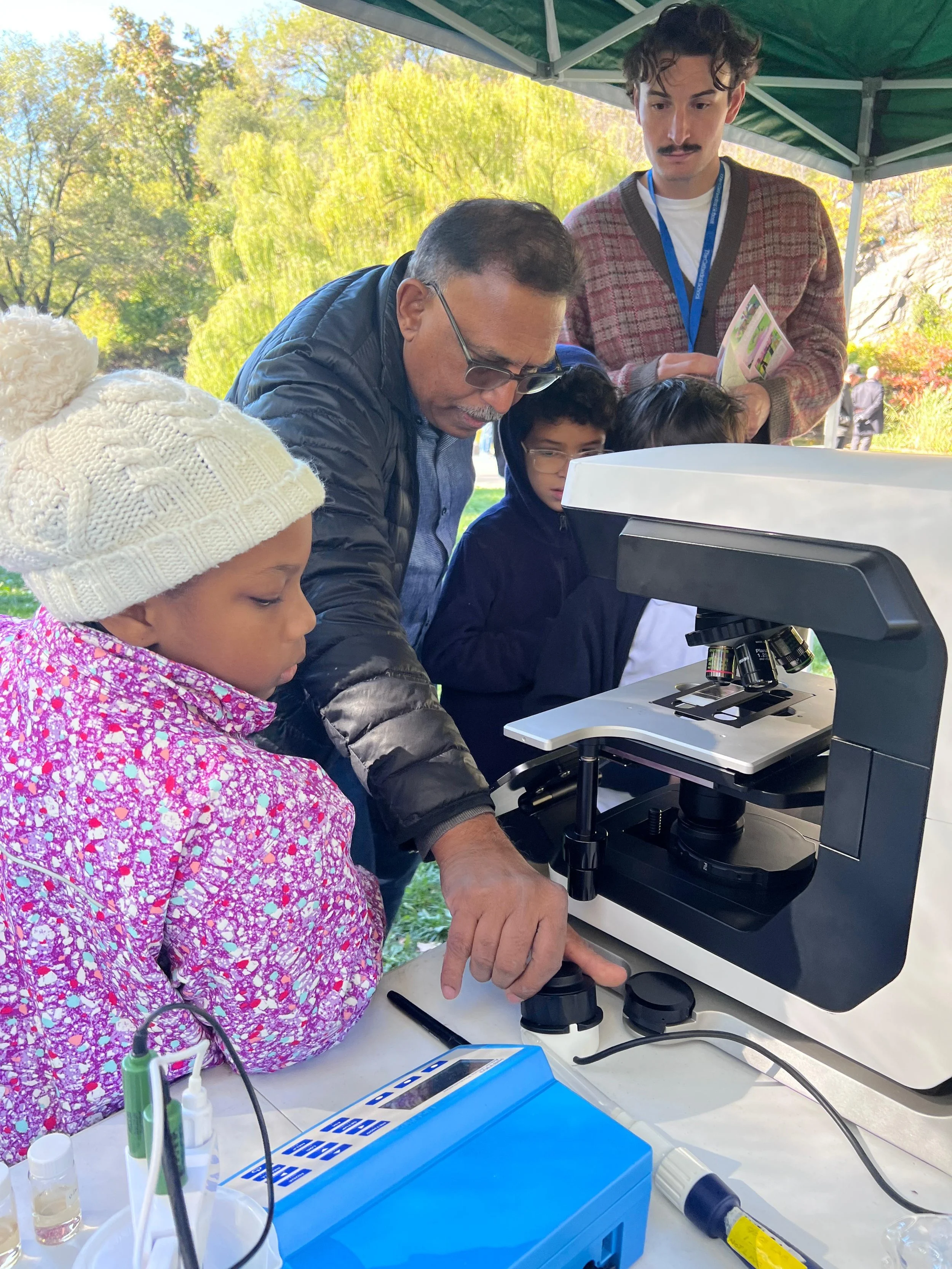
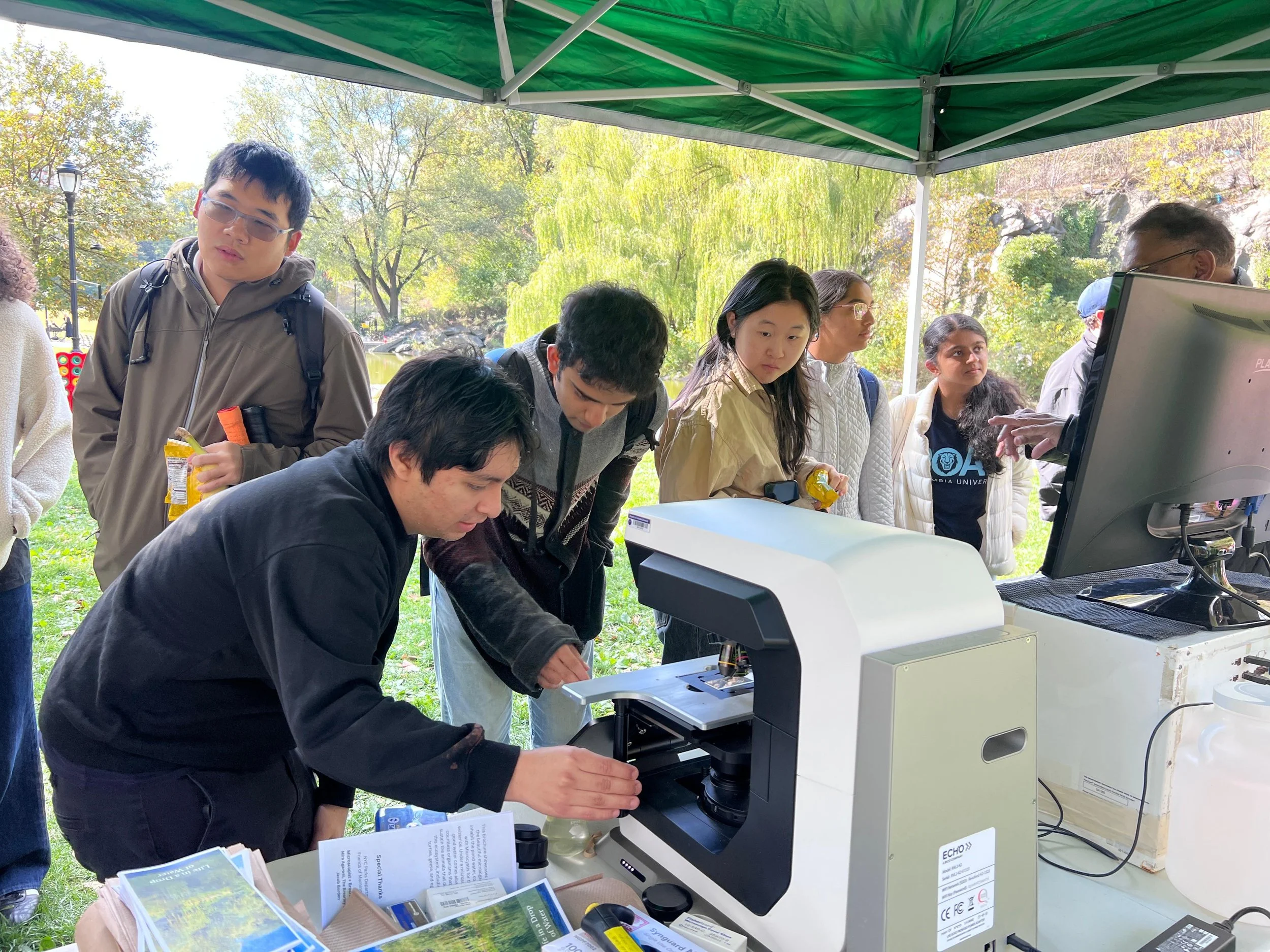
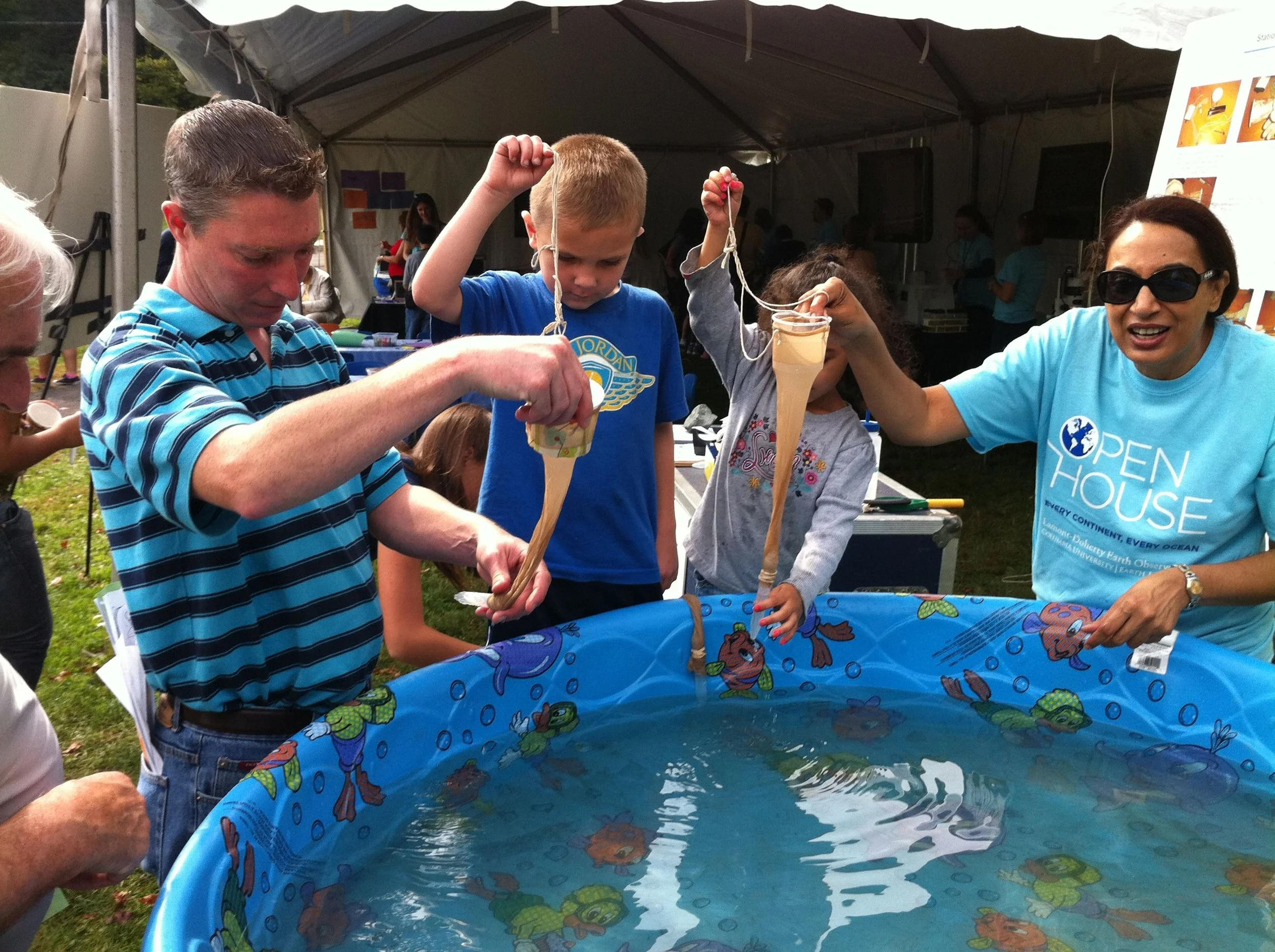
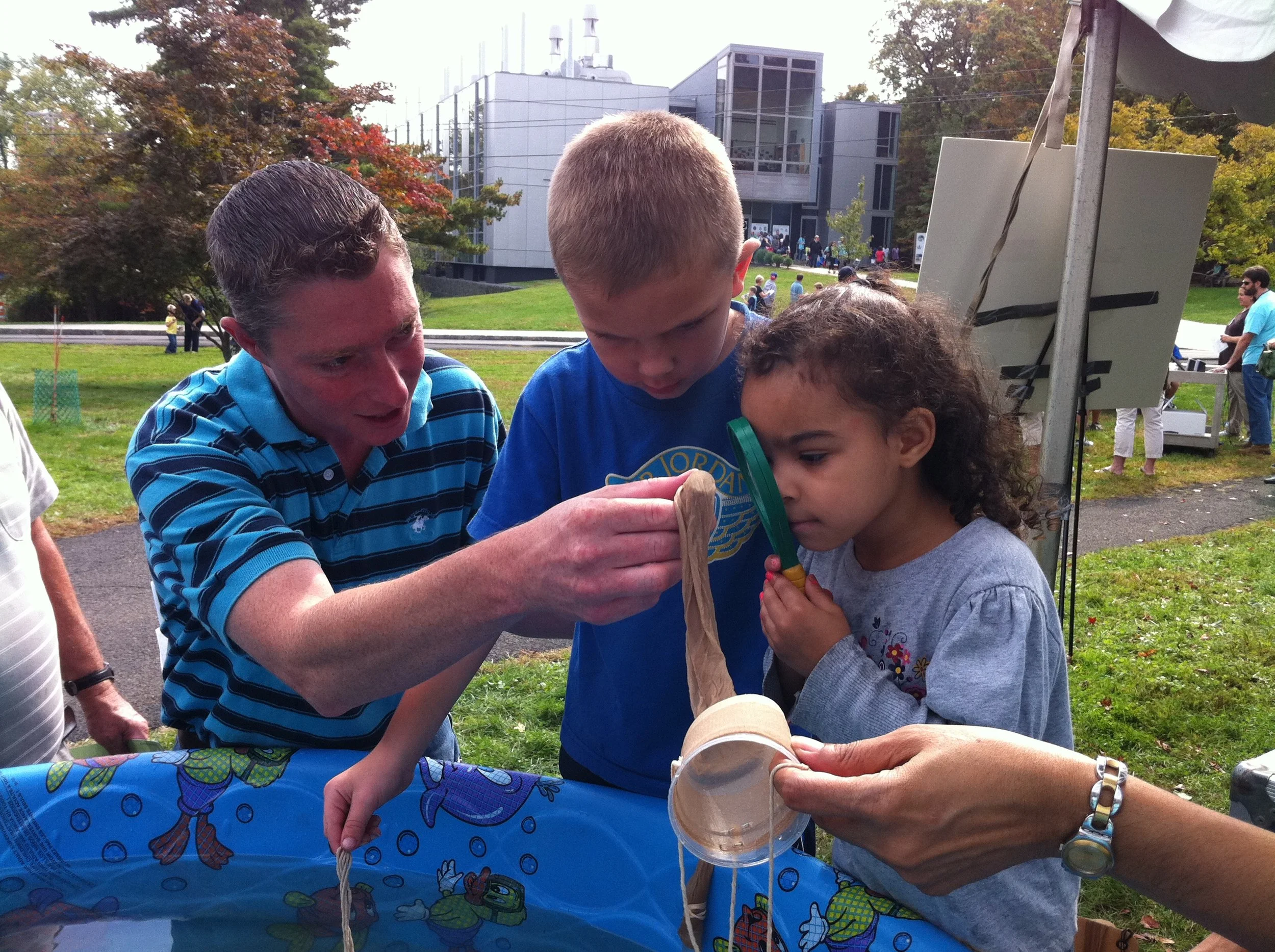
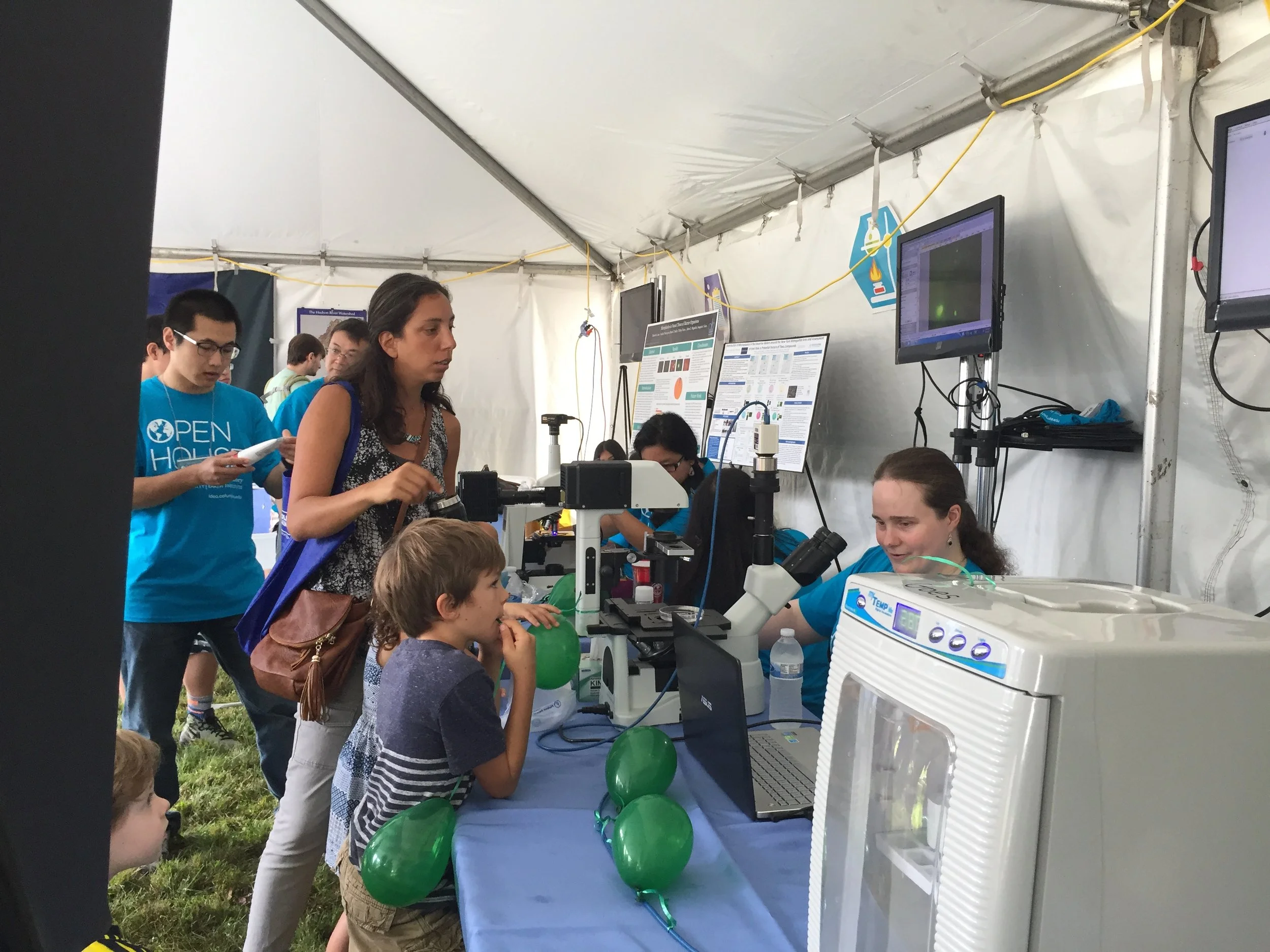
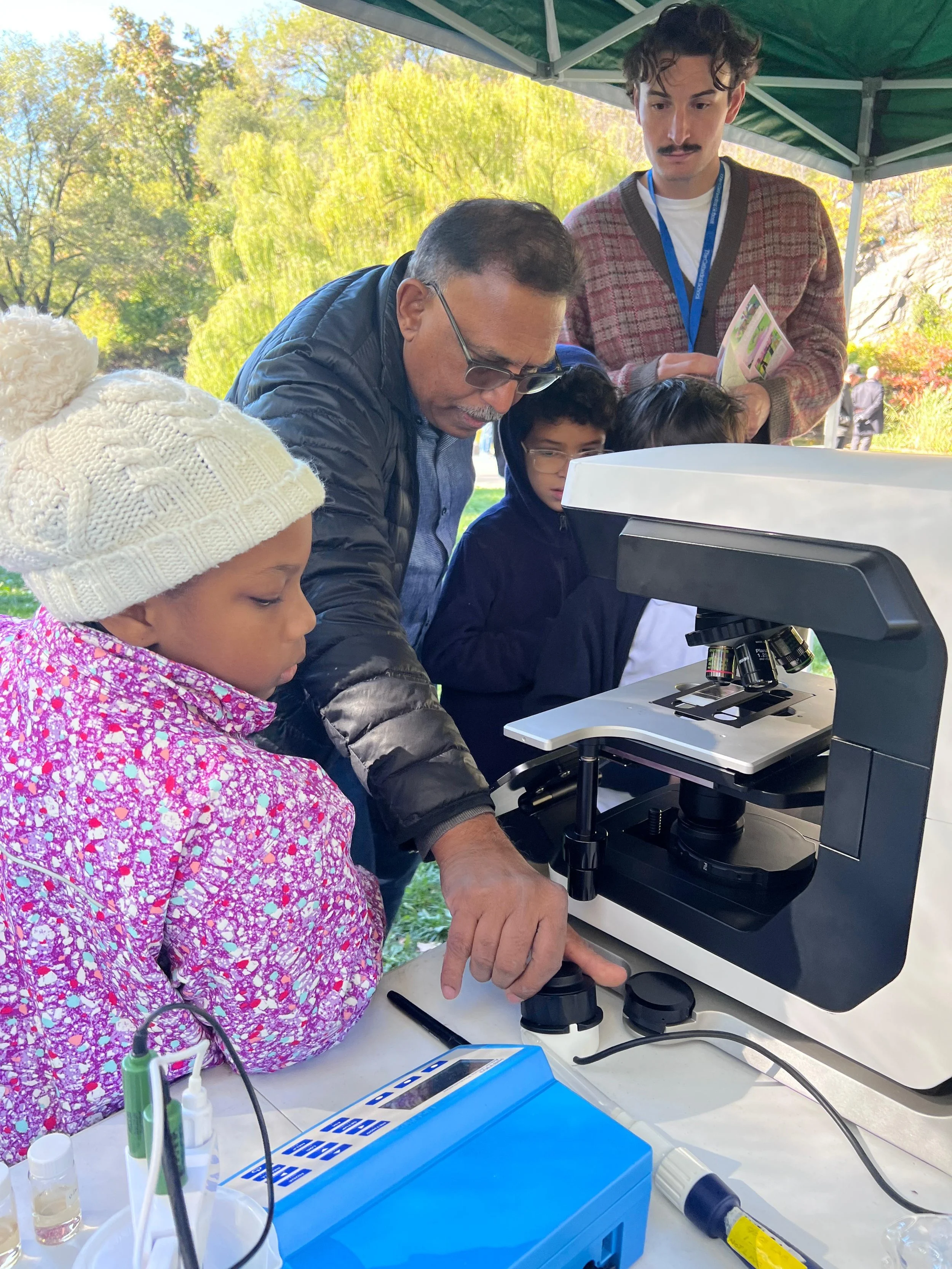
A central theme of our outreach is the importance of phytoplankton and zooplankton—microscopic organisms that sustain marine ecosystems, support fisheries, regulate carbon dioxide, and produce much of the oxygen we breathe. Using microscopes, interactive visualizations, and hands-on demonstrations, we help participants explore how processes at the smallest scales influence fish populations, climate, and global food security.
Water Pollution and Food-Web Impacts
We highlight how pollutants such as agricultural runoff, heavy metals, oil, and wastewater disrupt marine ecosystems. Outreach activities demonstrate how contaminants can alter nutrient balances, trigger harmful algal blooms, and create low-oxygen “dead zones.” We also explain biomagnification, how toxins move from plankton to fish and ultimately to humans, emphasizing the direct links between ocean health, seafood safety, and human well-being.
Plastic Pollution & Microfibers
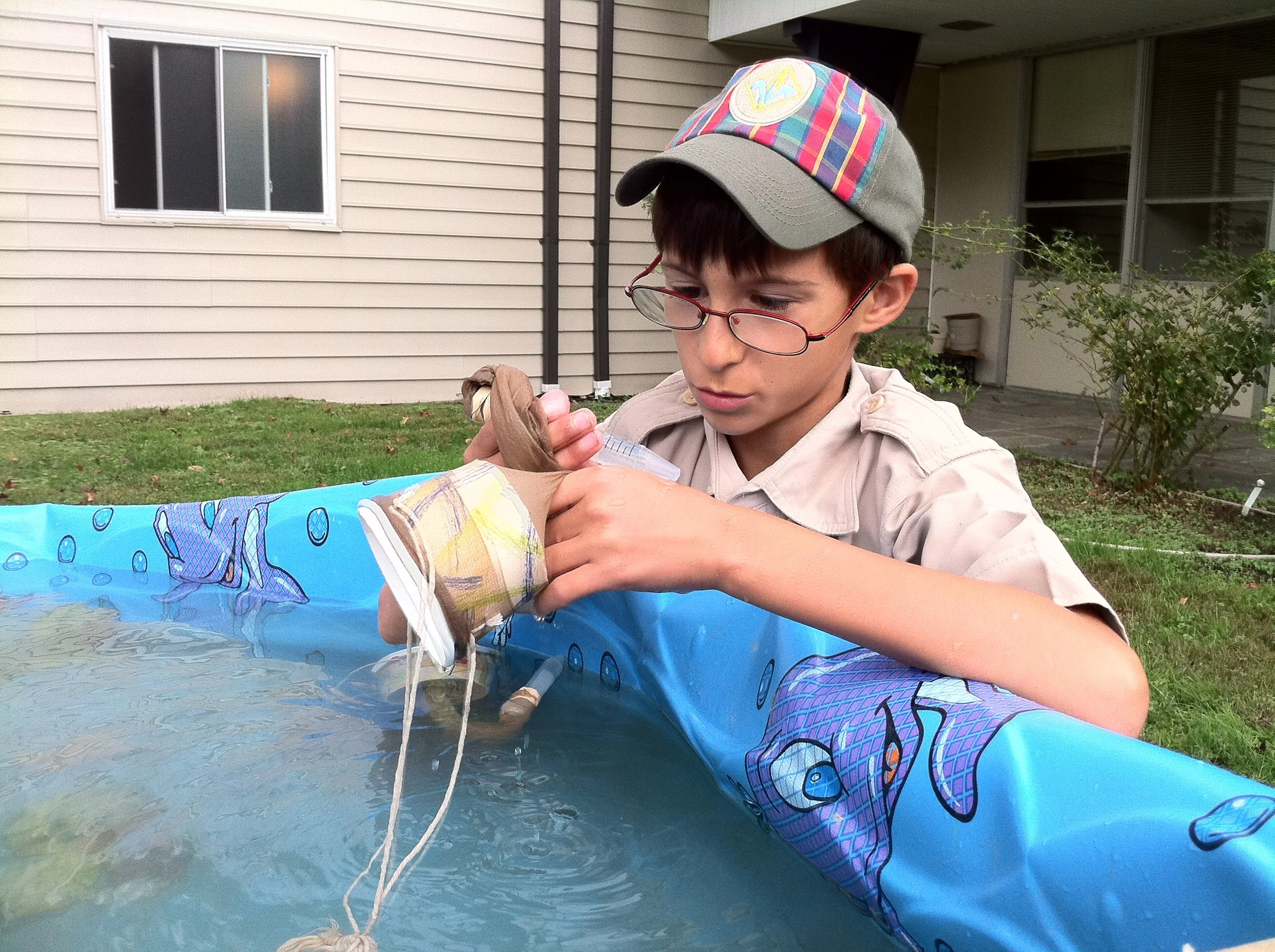
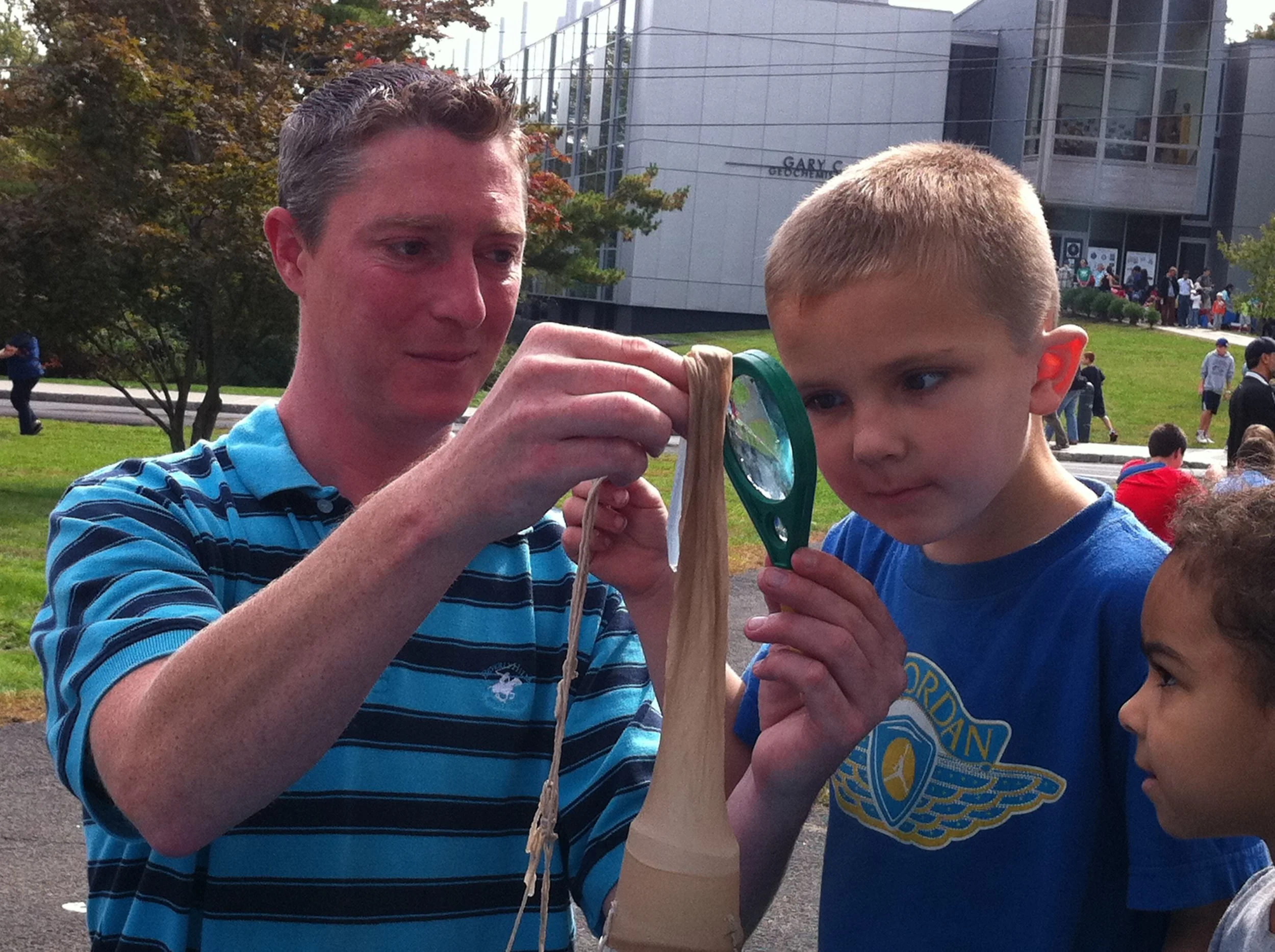
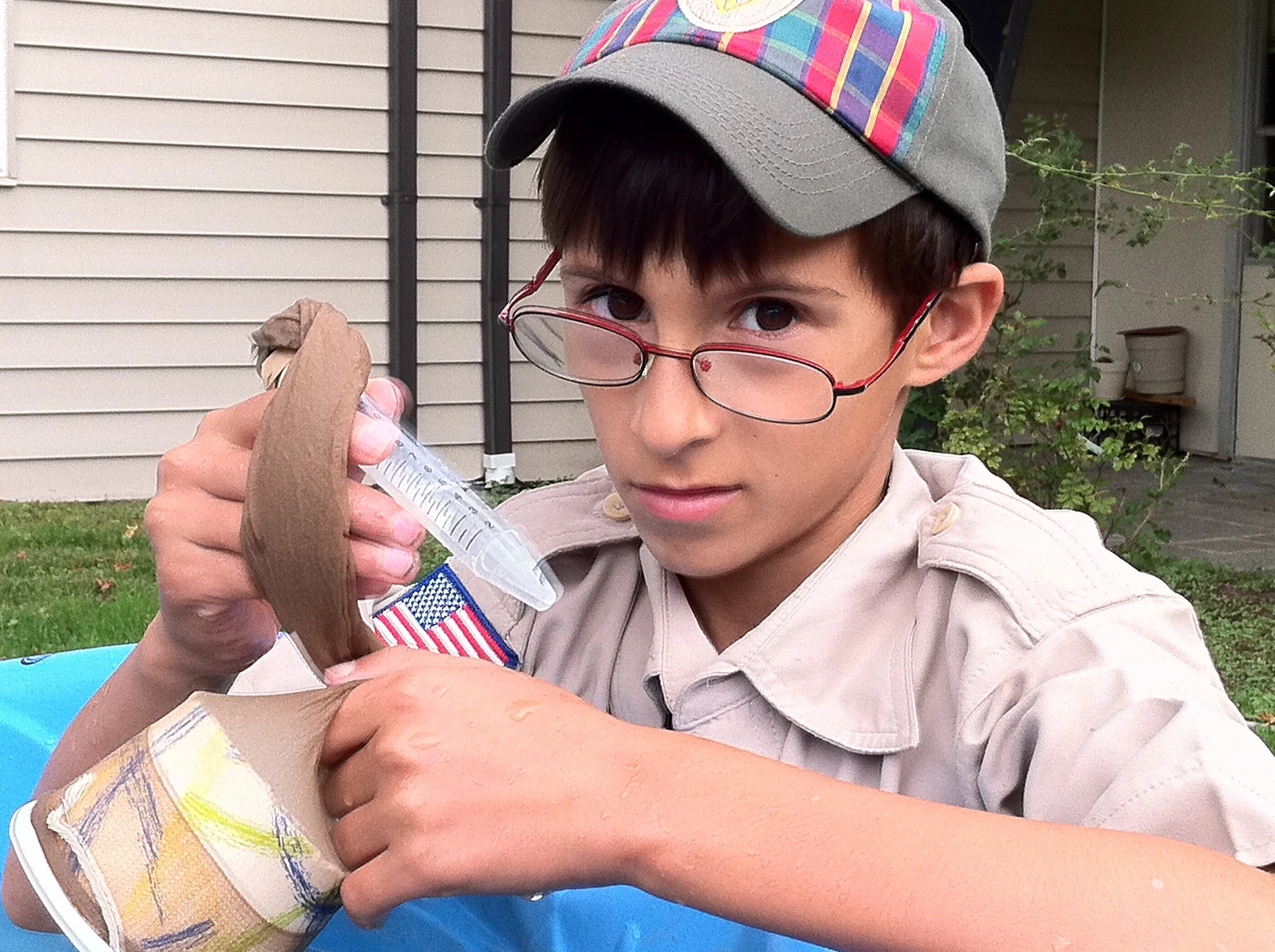
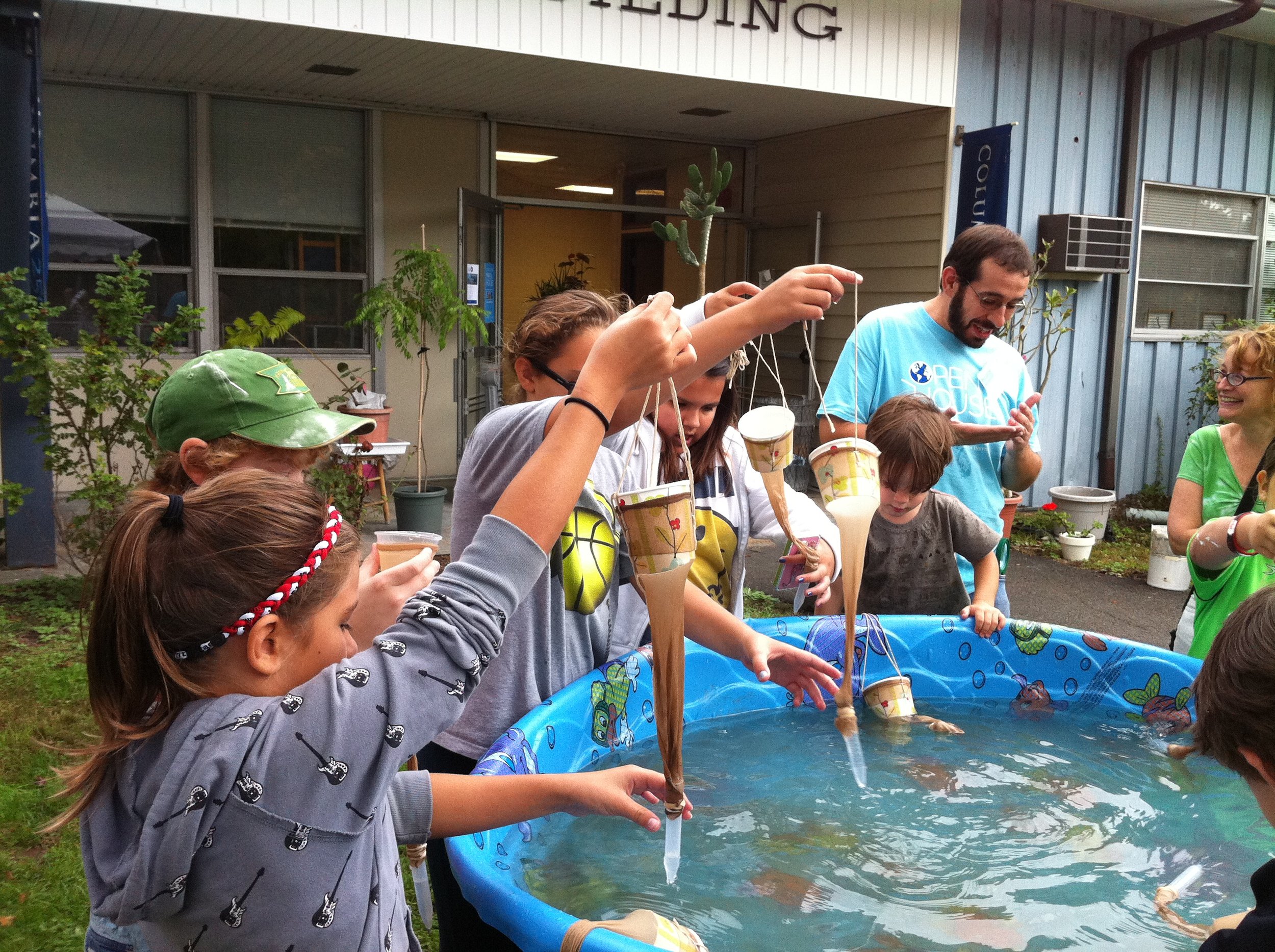
Our programs address the growing problem of microplastics, including synthetic microfibers released during laundry. We explain how these particles enter waterways, are ingested by plankton and small marine organisms, and move through the food chain. Through demonstrations and discussions, we encourage practical solutions such as reducing single-use plastics, improving filtration systems, and making informed consumer choices.
Citizen Science & Stewardship
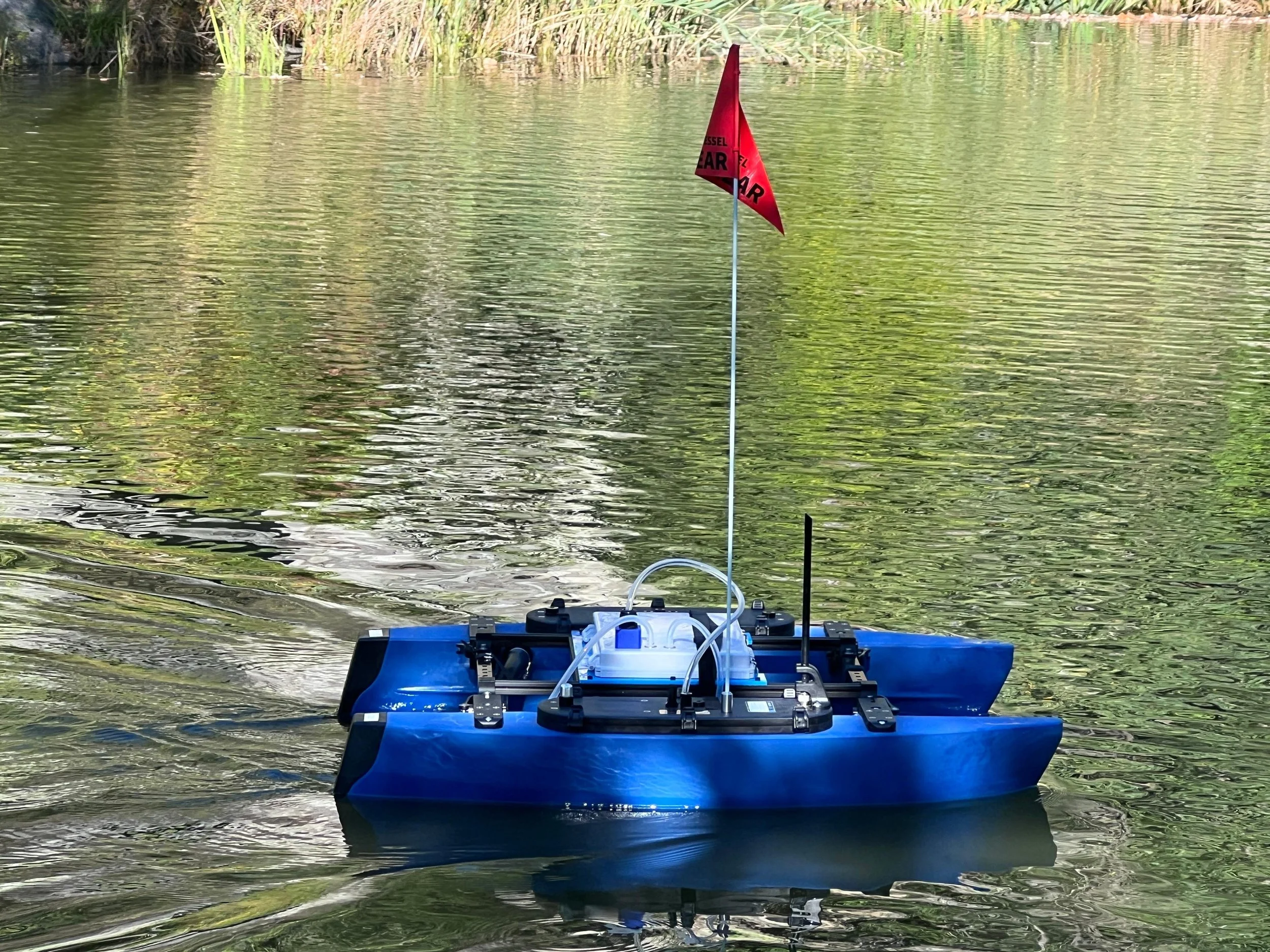
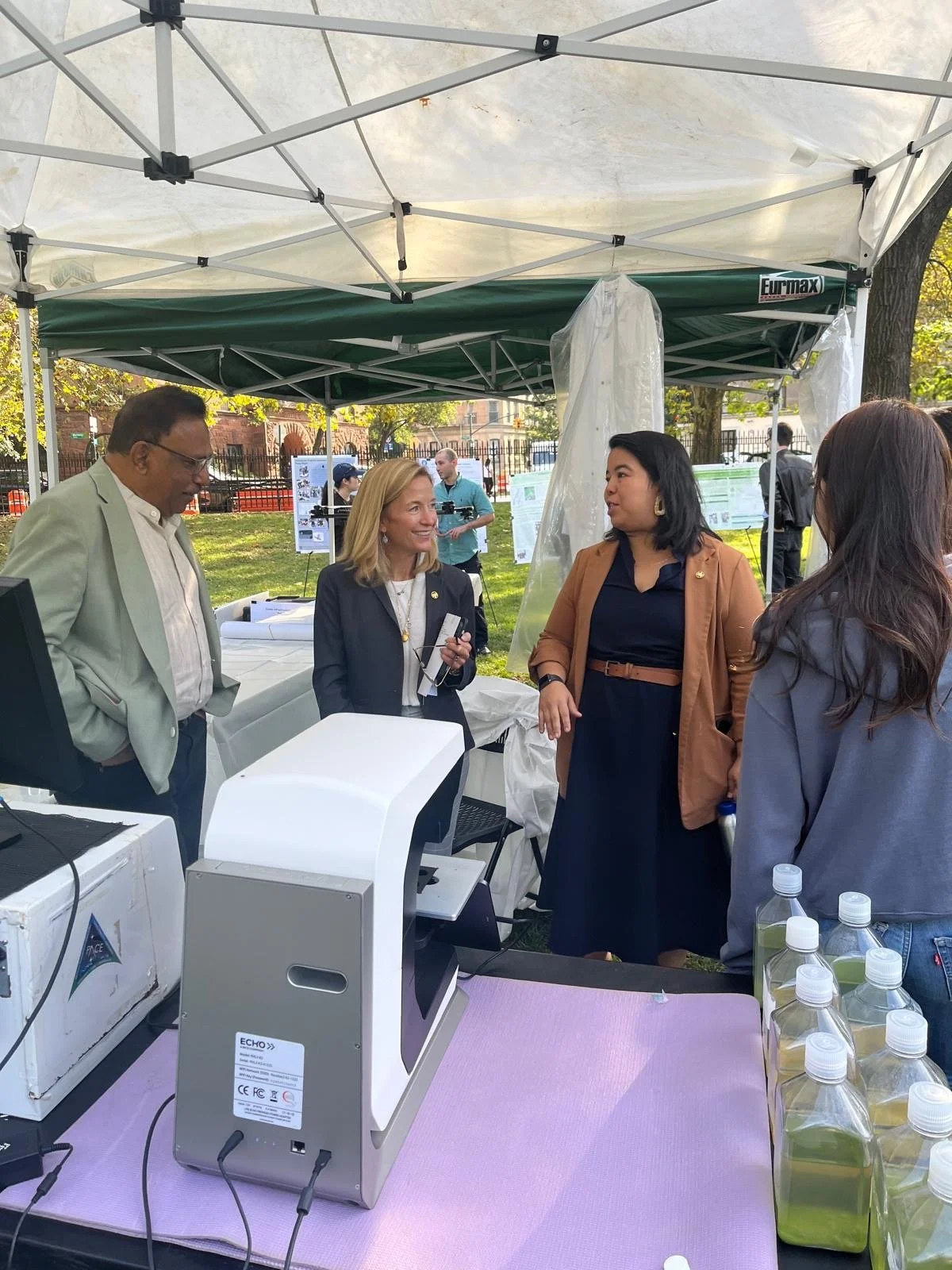
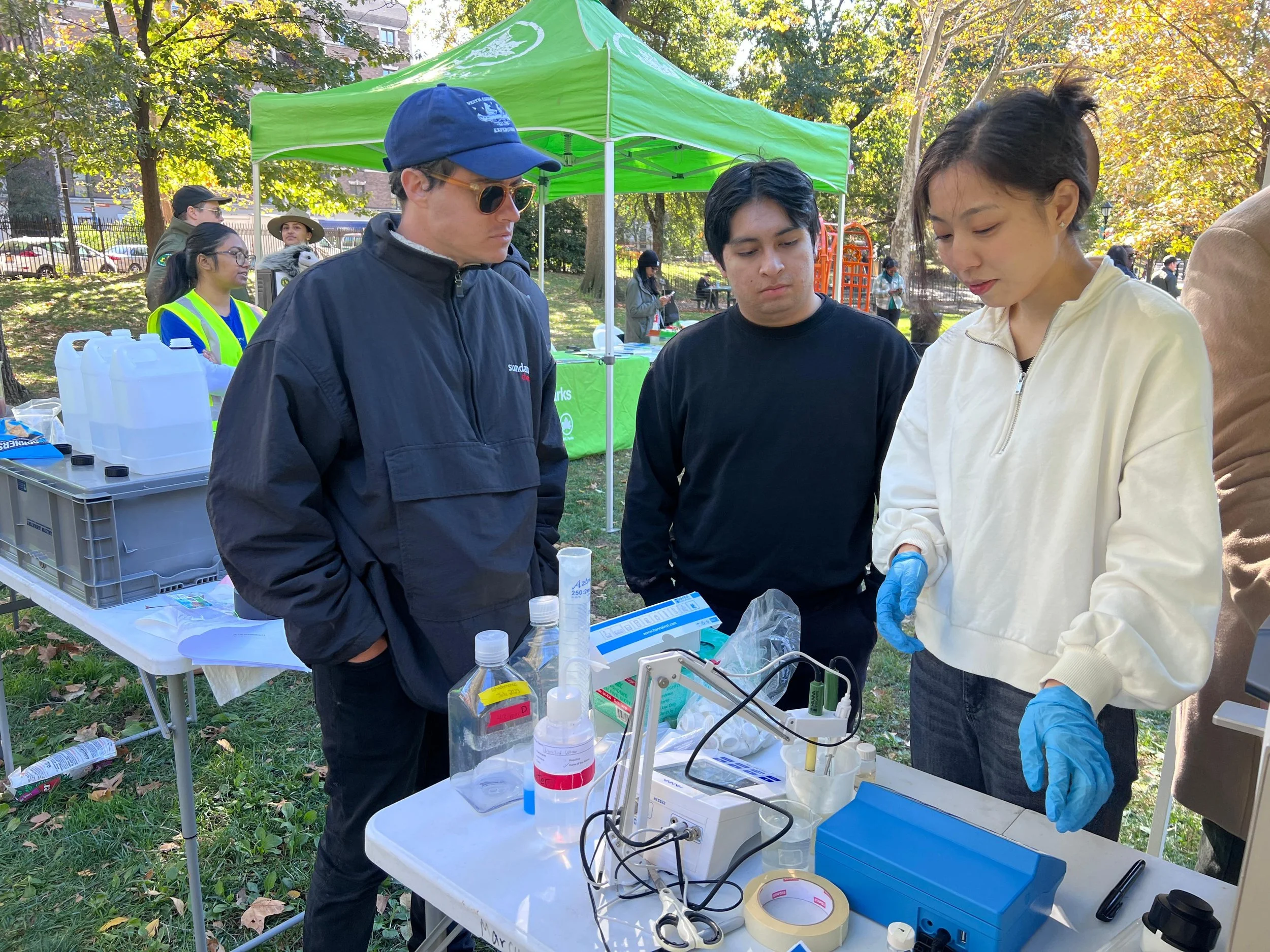
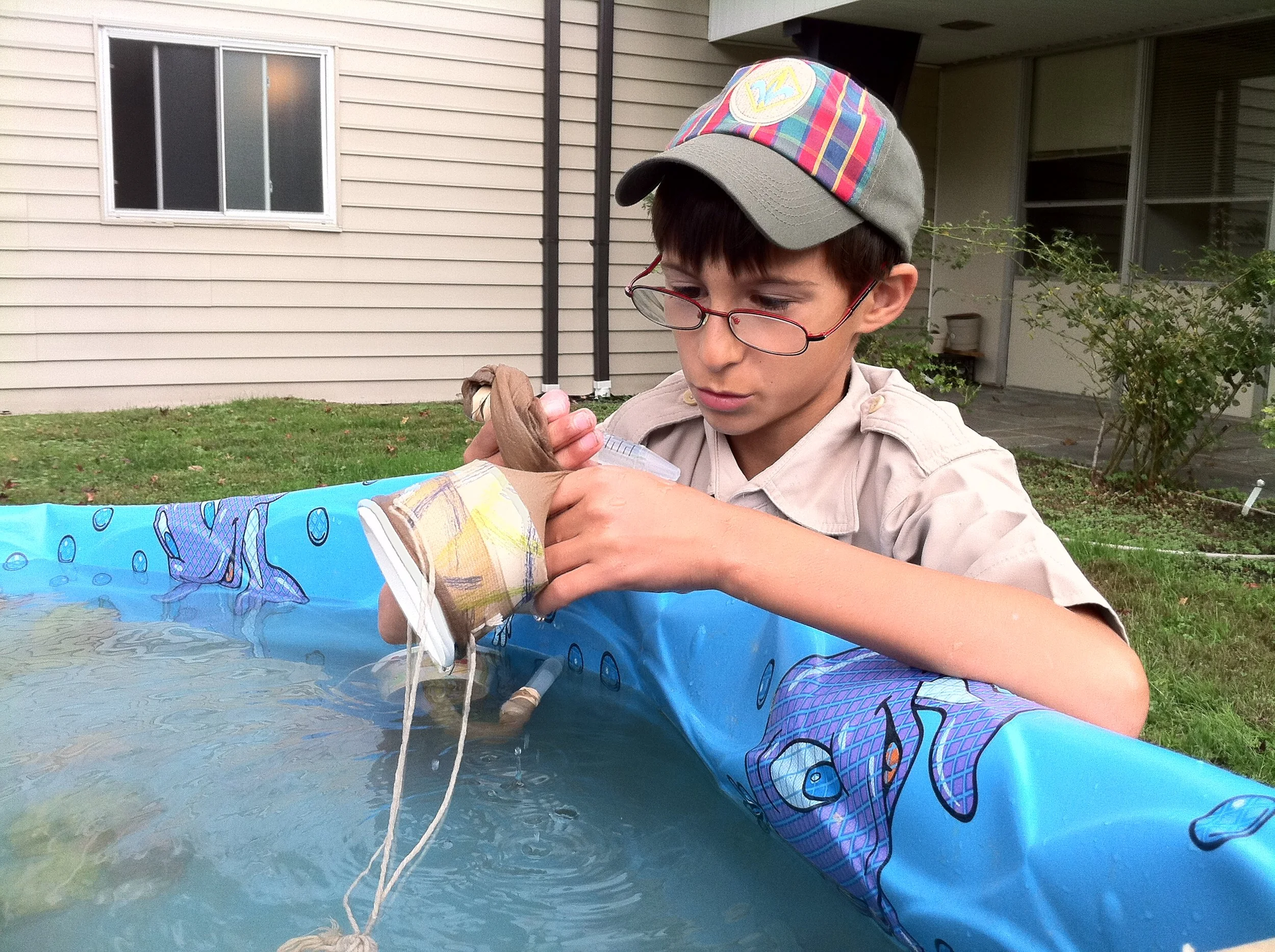
We promote hands-on engagement through citizen science initiatives, water sampling activities, and plankton observations, demonstrating our instrumentation, collect data on-site and talk about water quality. By involving students and community members directly in data collection and environmental monitoring, we foster scientific literacy and empower participants to become active stewards of marine ecosystems.
Through education, collaboration, and community partnerships, the Goes-Gomes Lab works to build ocean literacy and inspire informed action to protect life at the base of the food chain—and the ecosystems and communities that depend on it.