Biomes

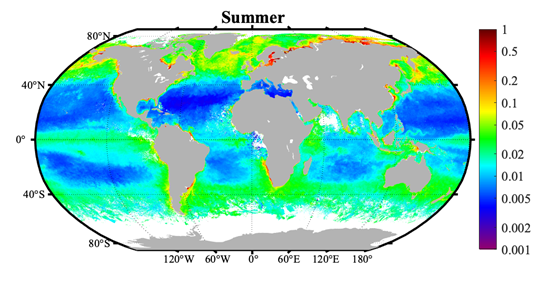
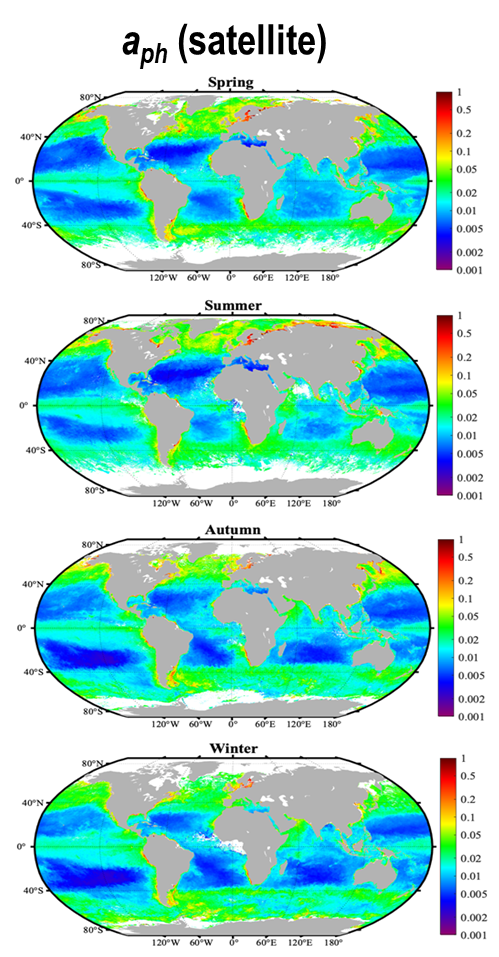
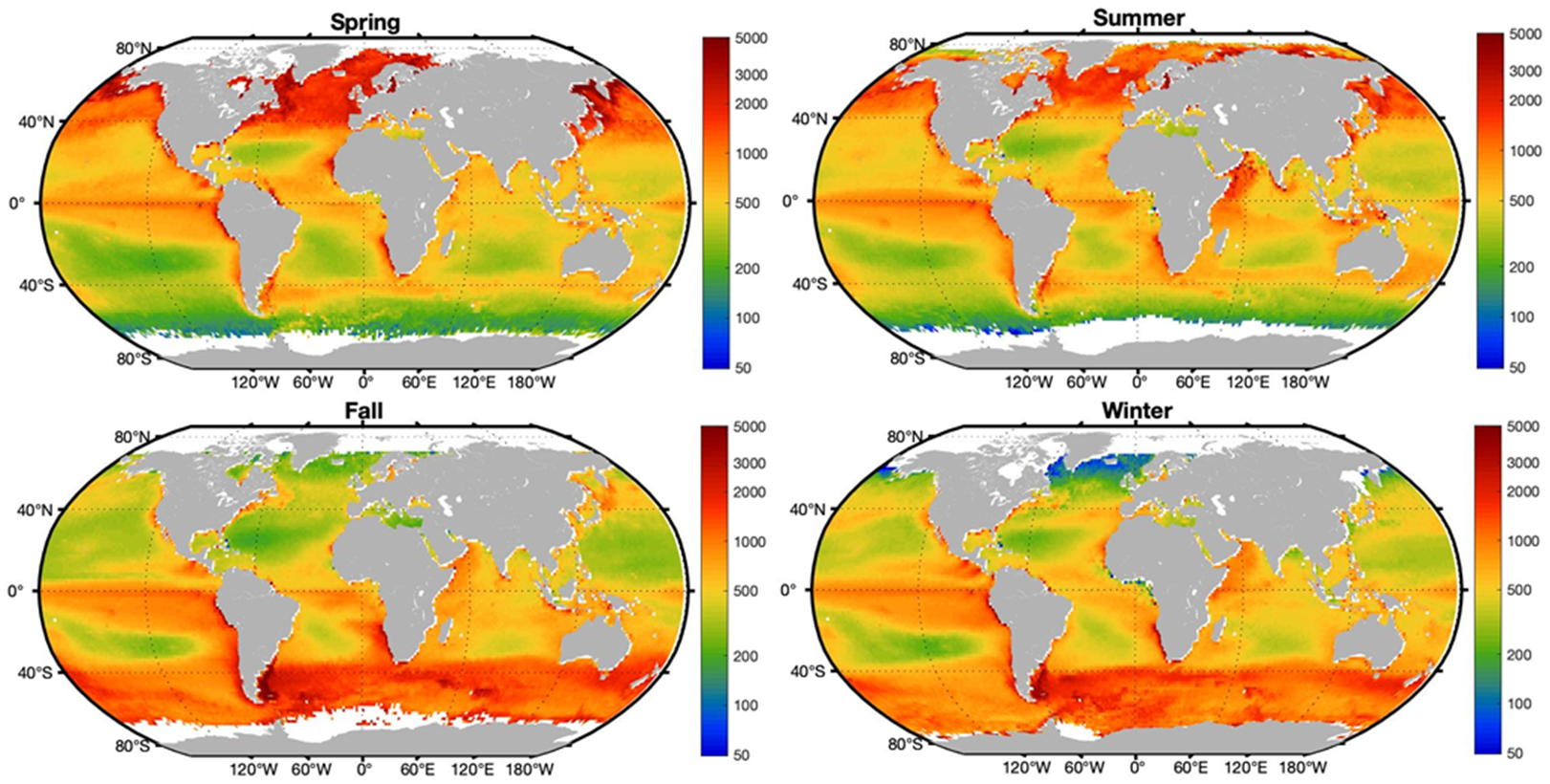
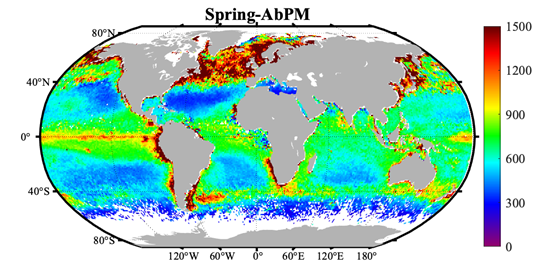
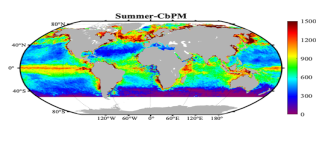
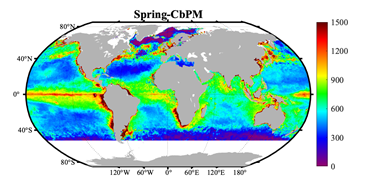
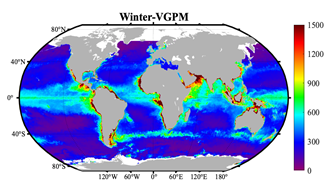
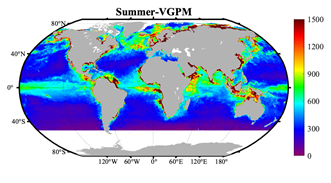
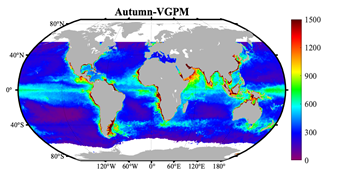
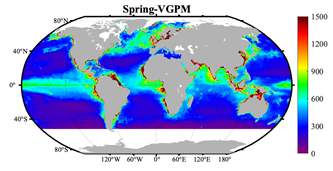
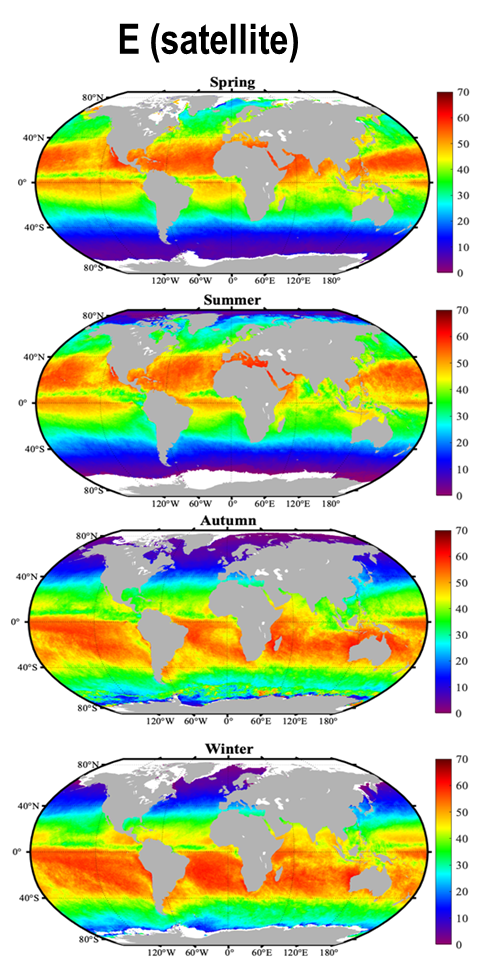
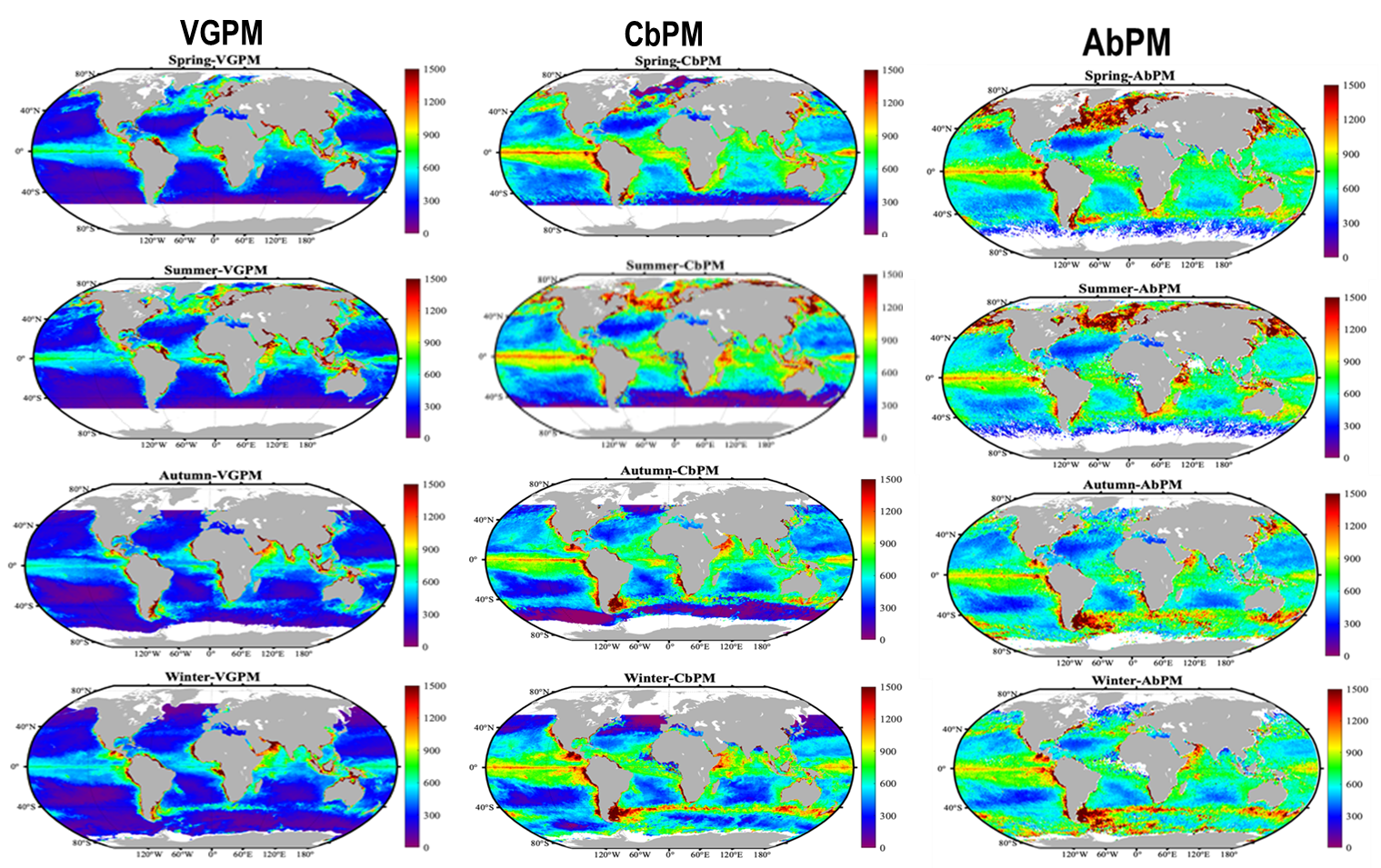
The Bio-Optical Monitoring and Evaluation System (BIOMES) is a NASA-supported initiative designed to improve how scientists measure ocean net primary production (NPP) from space—one of the most critical indicators of the ocean’s role in the global carbon cycle. By refining satellite-based observations, the project addresses a central challenge in climate science: accurately quantifying how much carbon dioxide is absorbed by marine ecosystems through phytoplankton photosynthesis. This work directly contributes to understanding how oceans respond to rising atmospheric CO₂ and shifting climate conditions.
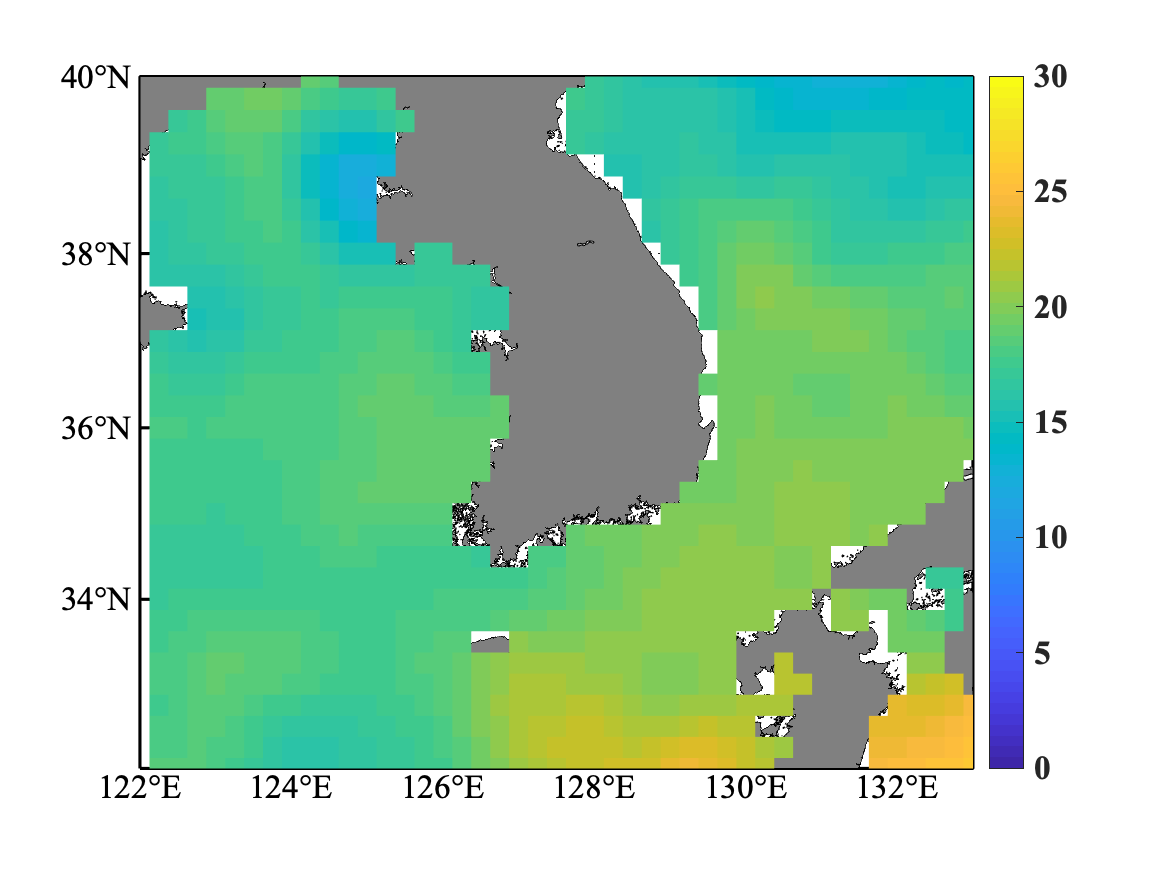
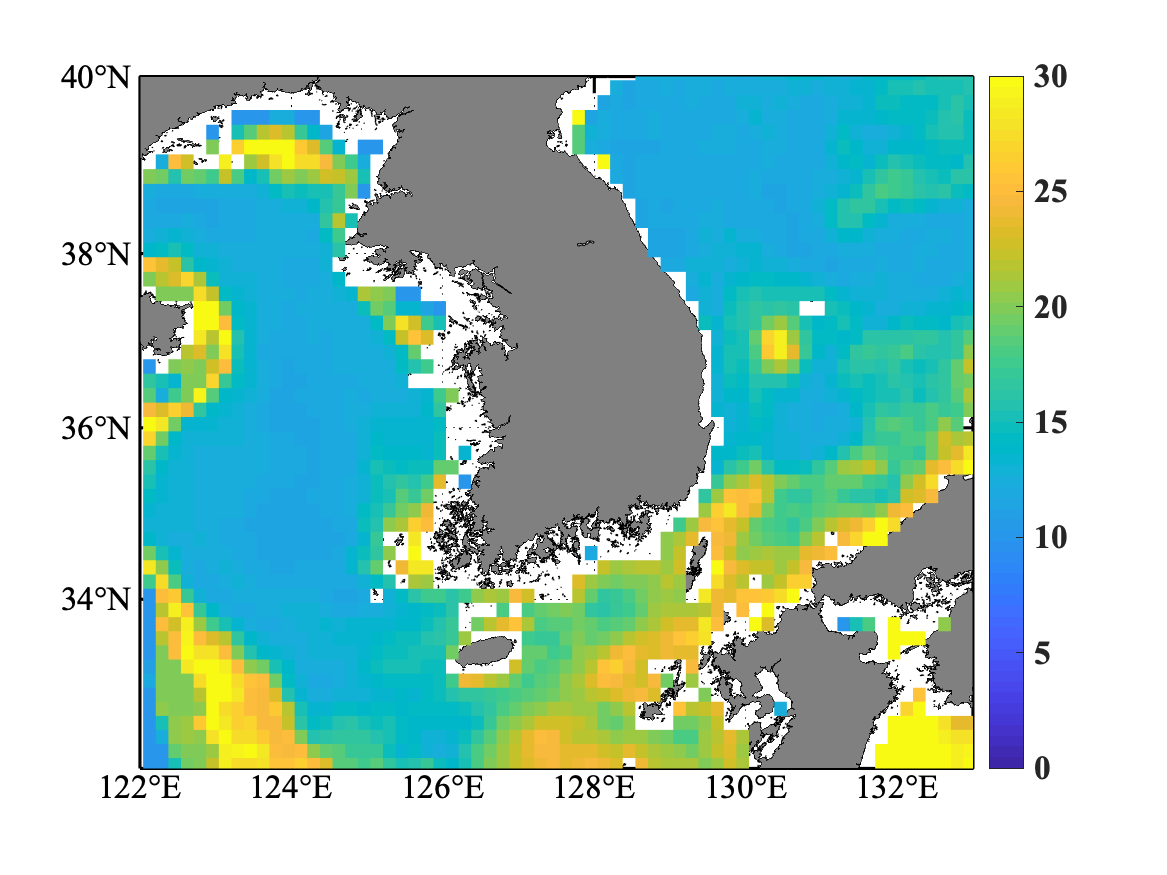
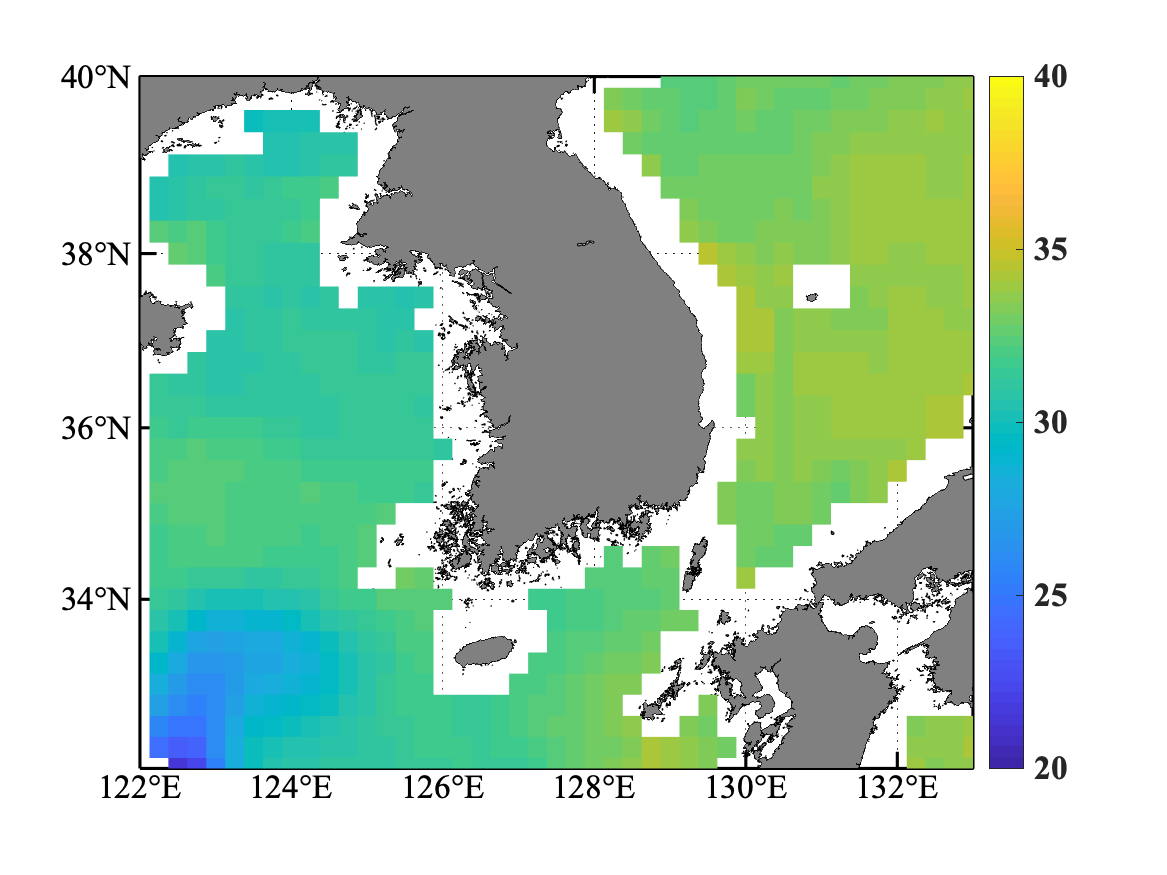
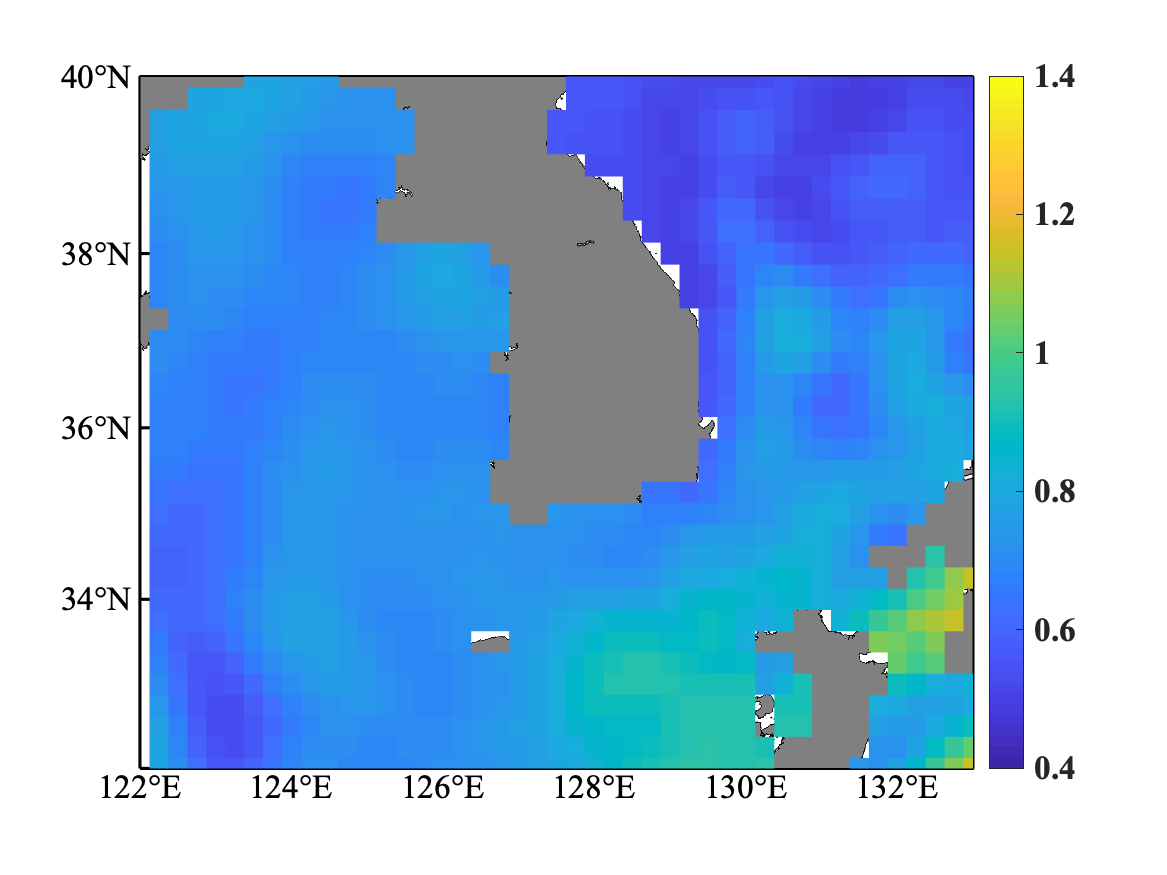
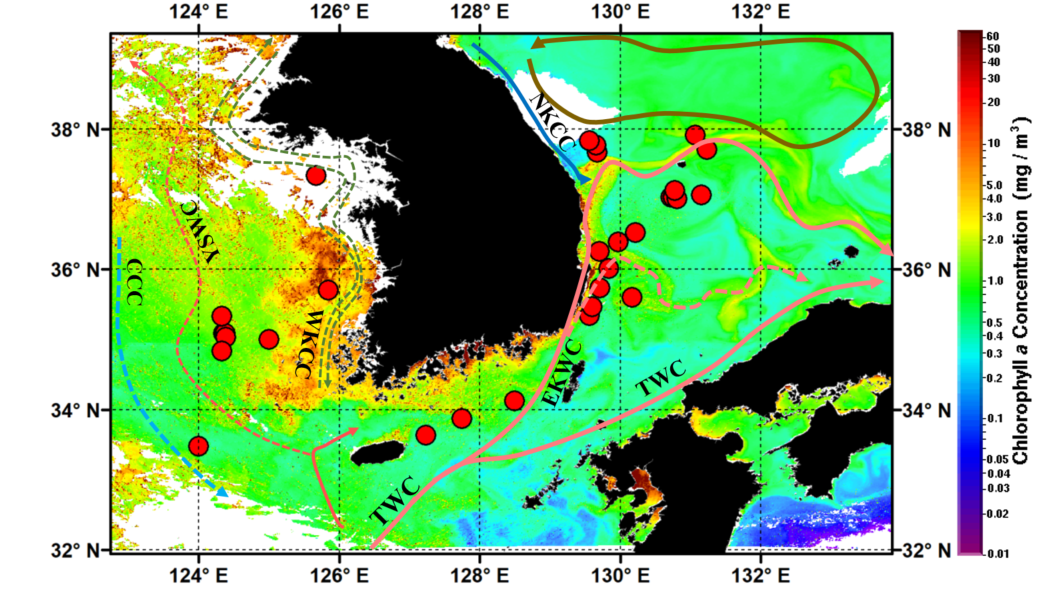
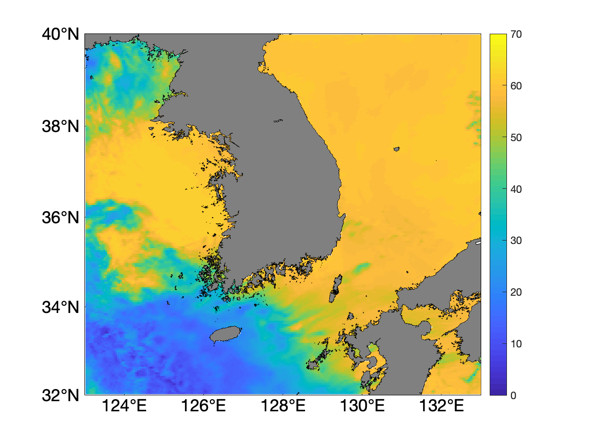
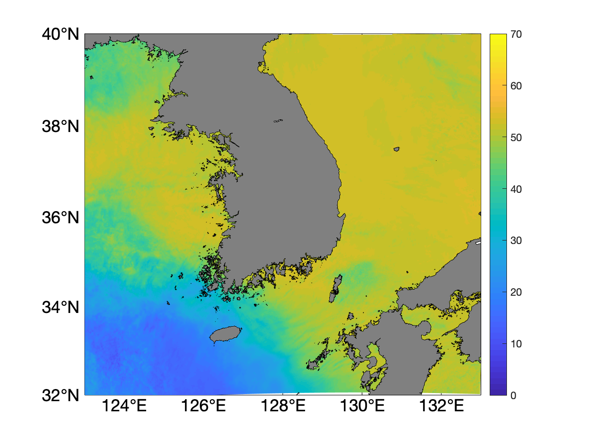
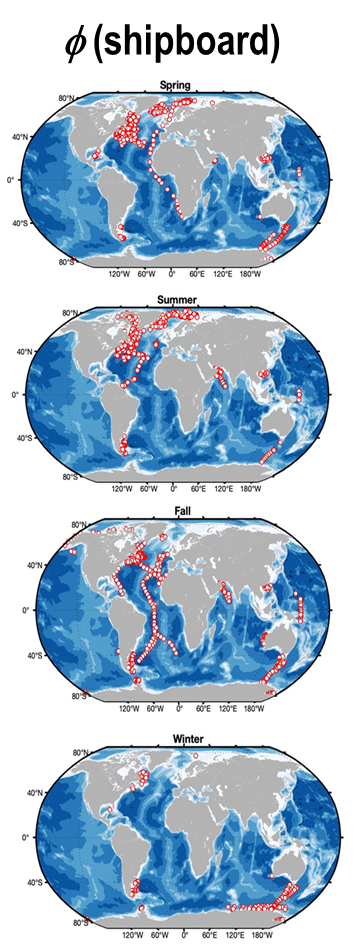
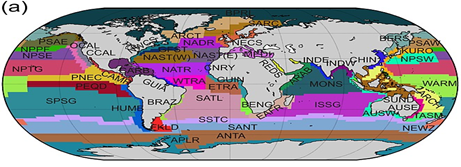
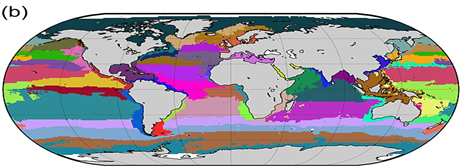
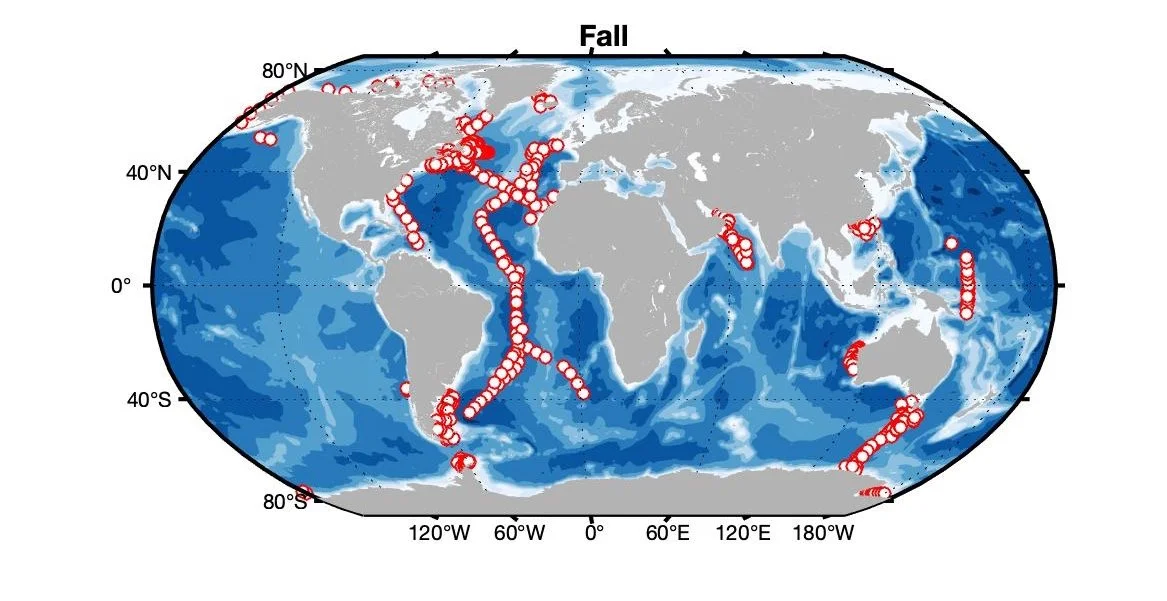
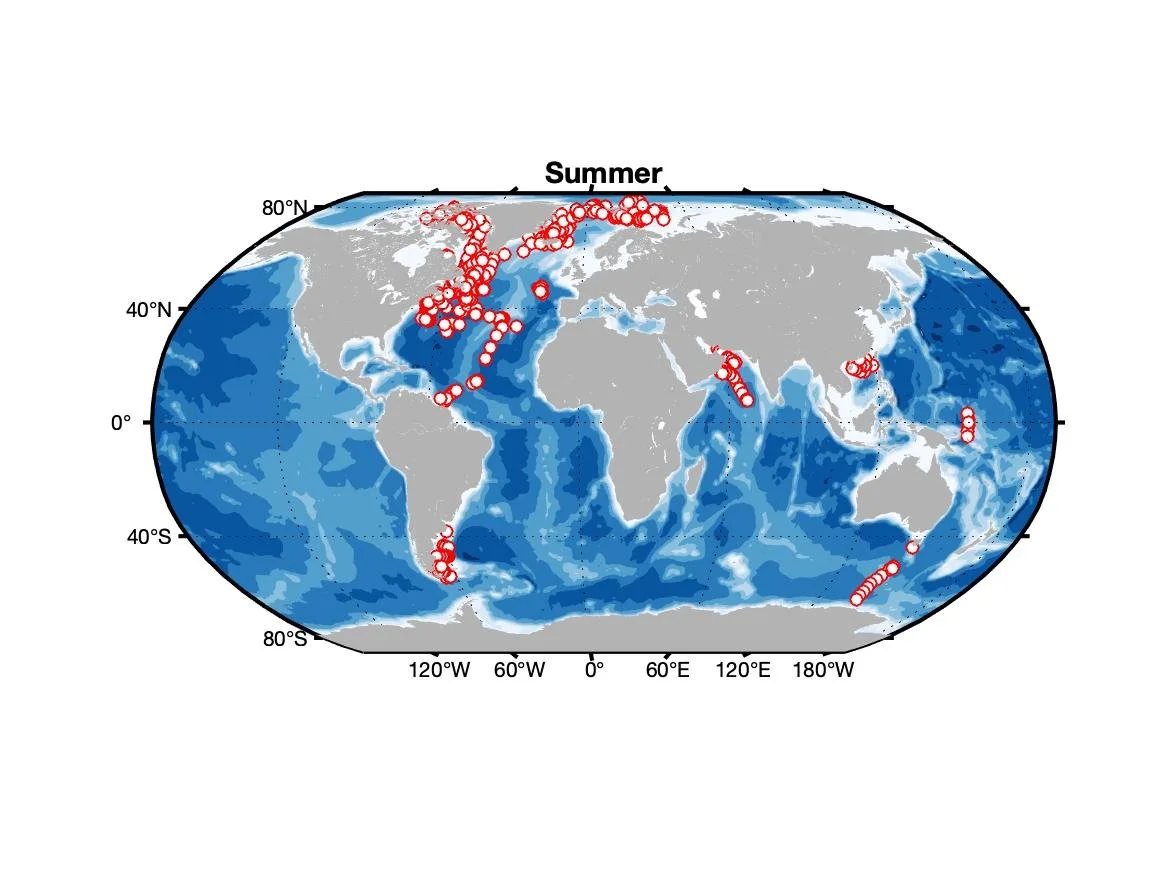
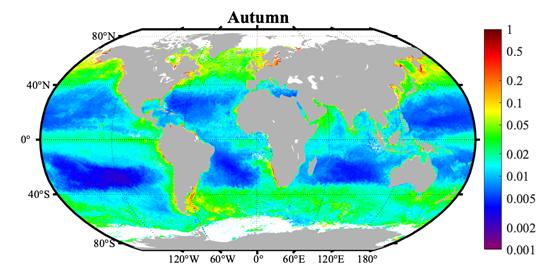
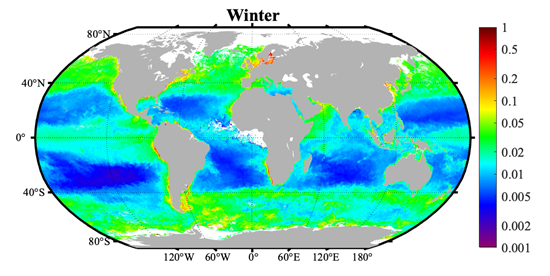
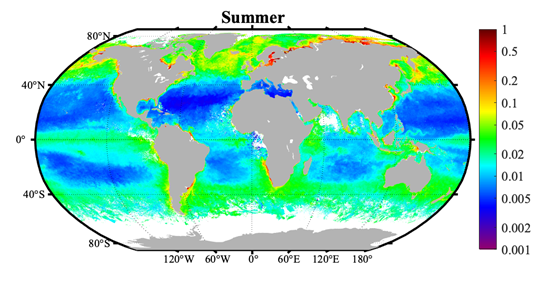
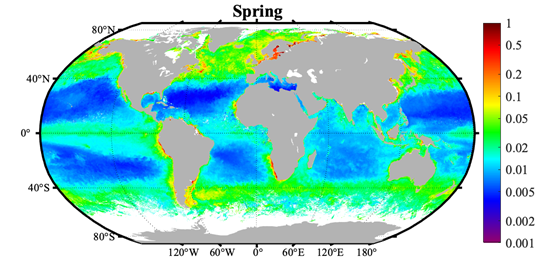
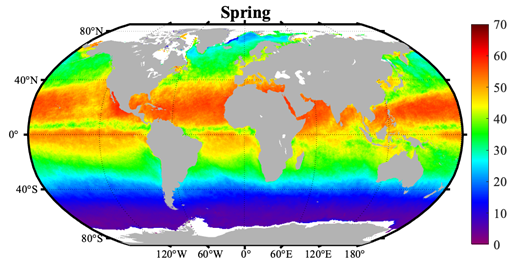
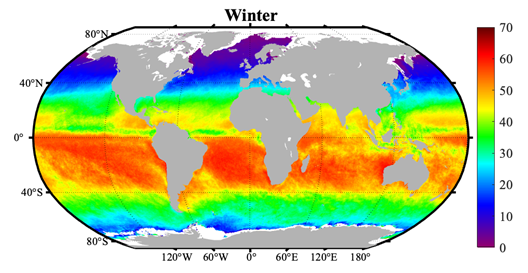
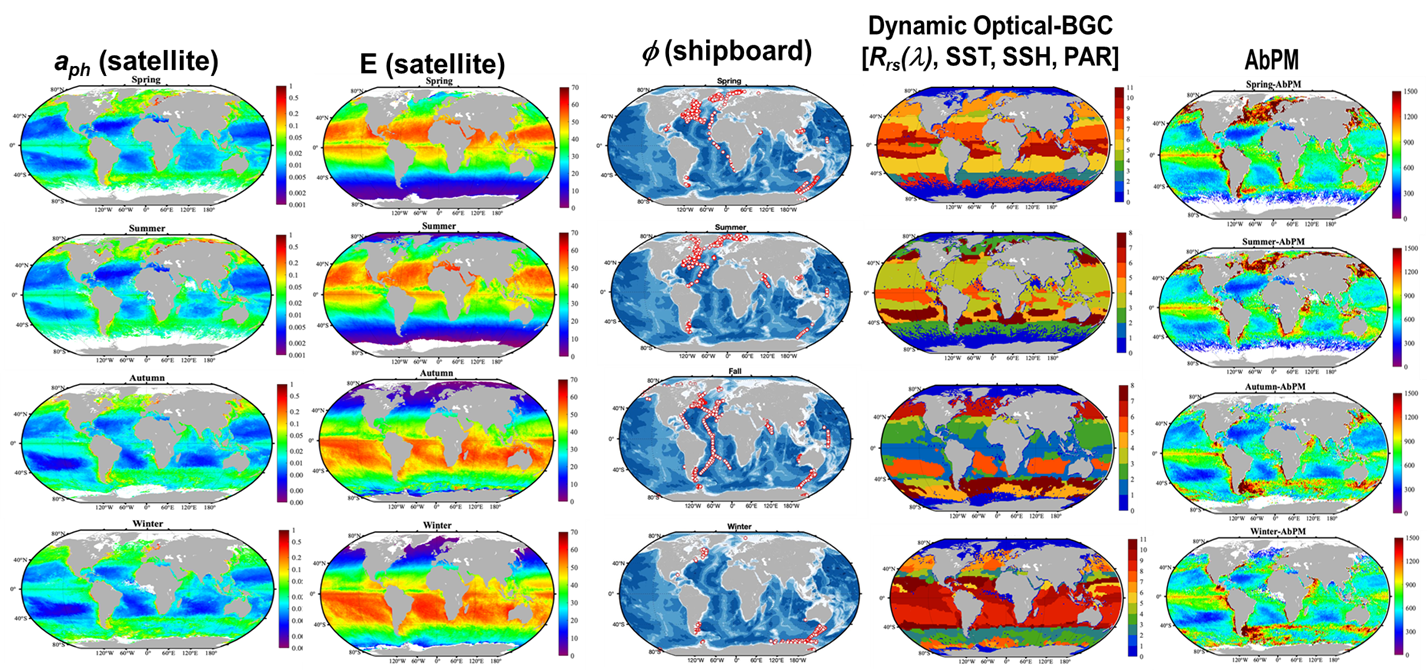
At the core of BIOMES is a new Optical-Biogeochemical Classification (O-BGC) framework that integrates satellite data, in-situ measurements, and model outputs to map the ocean into dynamic ecological provinces. Unlike traditional “one-size-fits-all” approaches, BIOMES captures fine-scale oceanographic variability—such as sub-mesoscale features—that significantly influence biological productivity but are often missed in existing models. This allows for more precise scaling of localized field measurements to regional and global estimates, reducing uncertainty in satellite-derived NPP products.
Beyond advancing scientific accuracy, the project is designed to serve as a long-term framework for future ocean carbon monitoring efforts. BIOMES contributes to global datasets on phytoplankton communities, optical properties, and productivity rates, supporting major initiatives across NASA, NOAA, and international partners. These outputs not only improve Earth system models, but also inform climate policy, carbon management strategies, and global efforts to better understand and mitigate climate change impacts.