BLOOFINZ EXPEDITION: From Microscopic Life to Tuna Survival
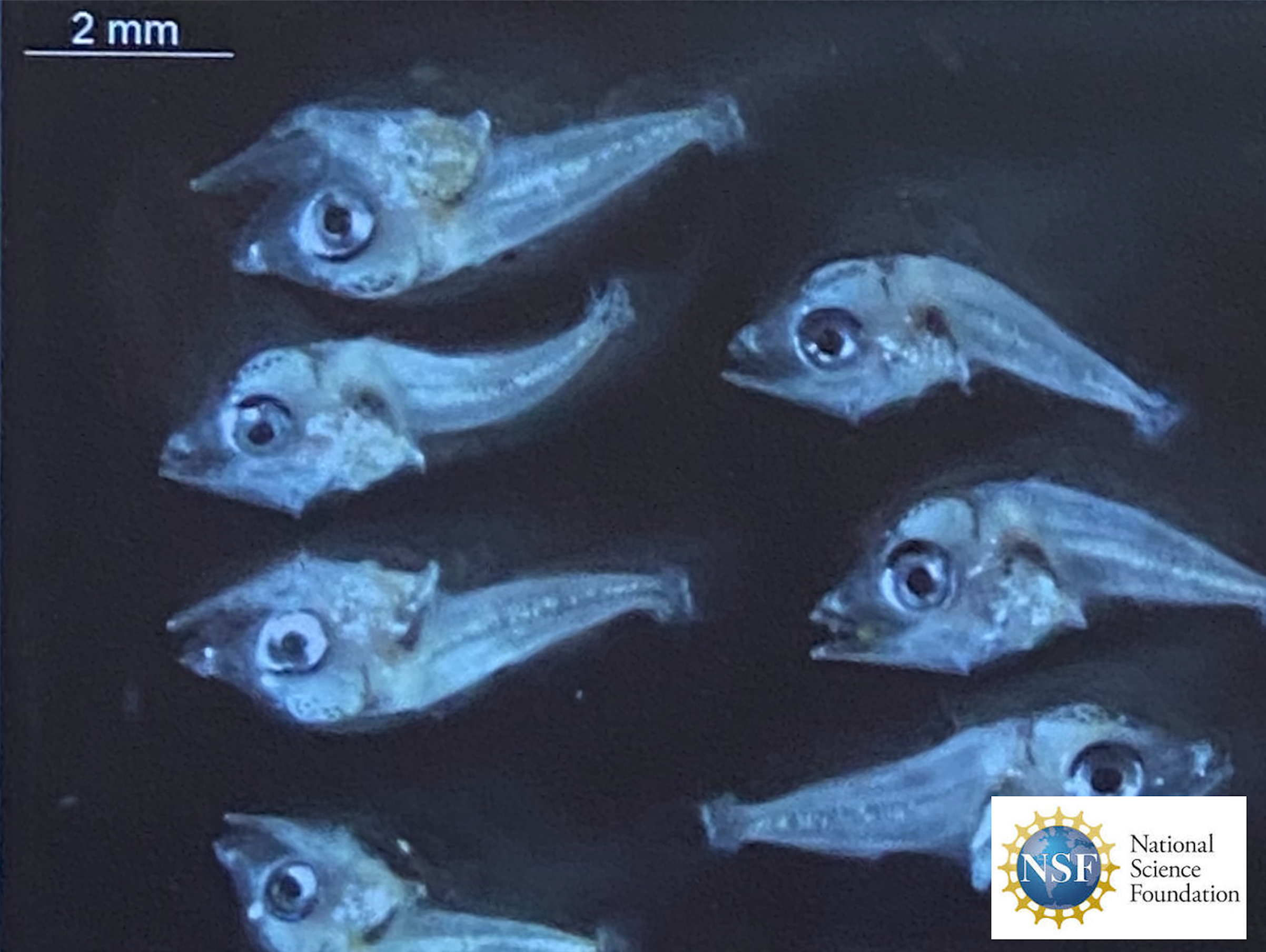
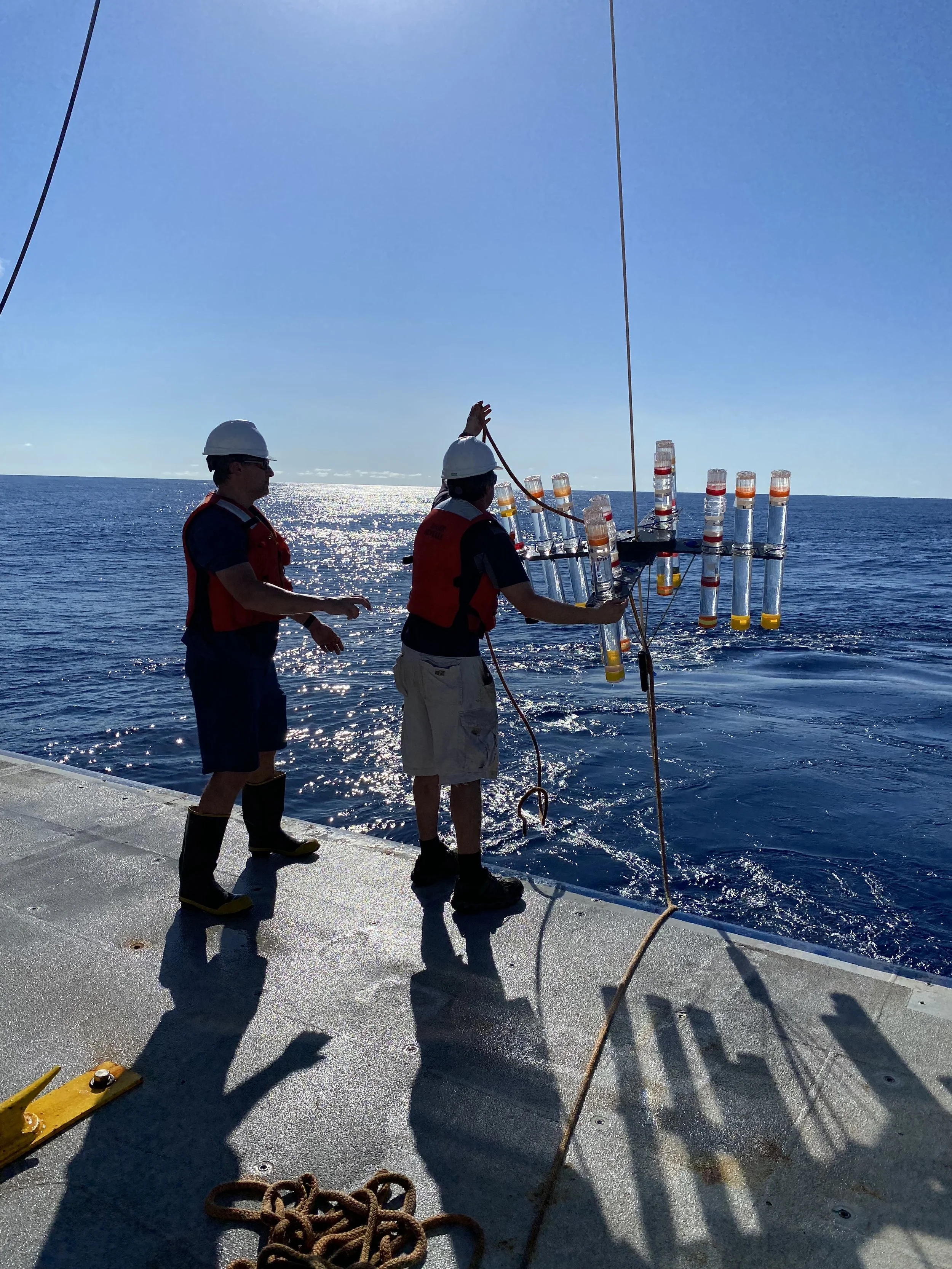
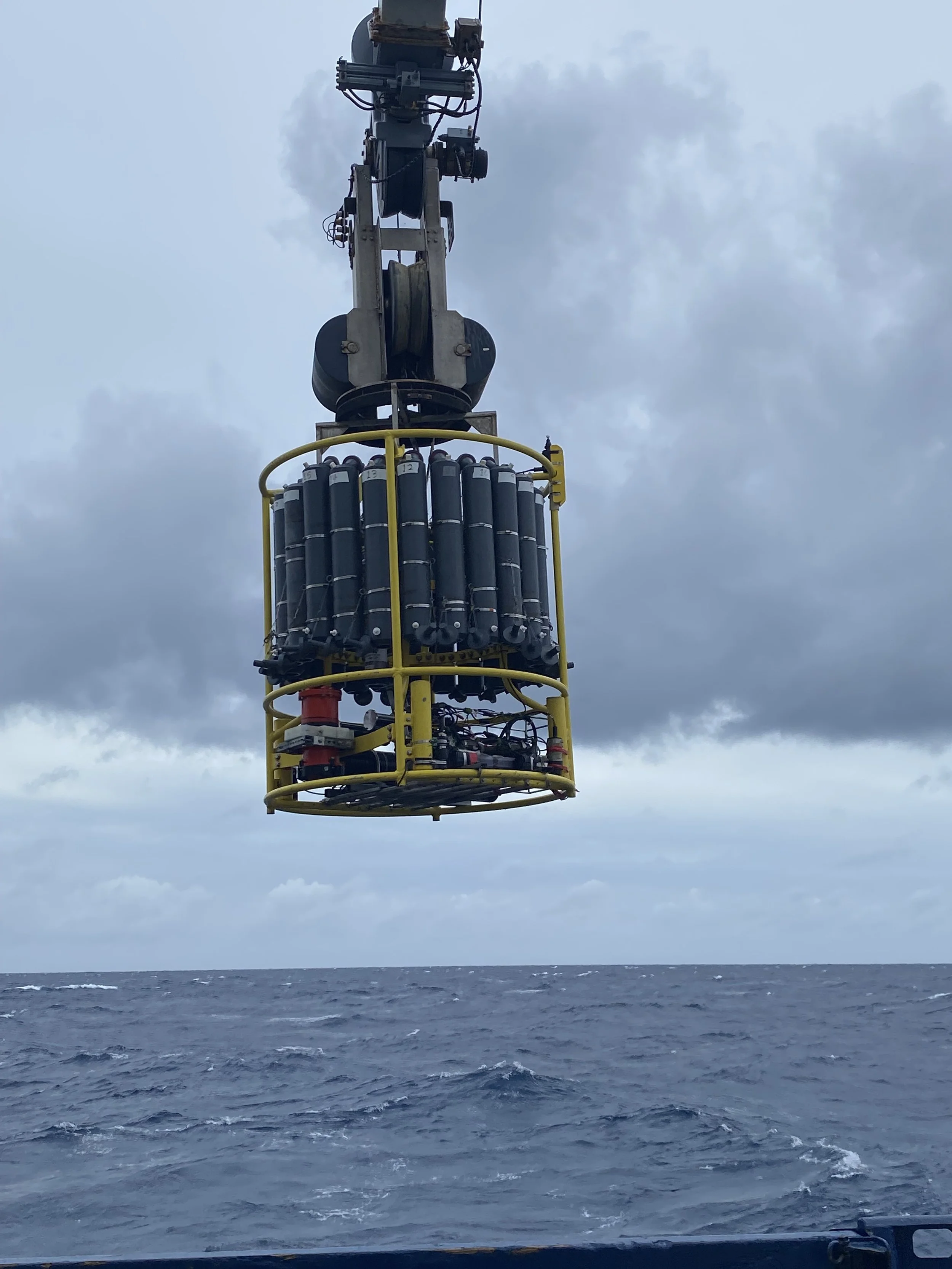
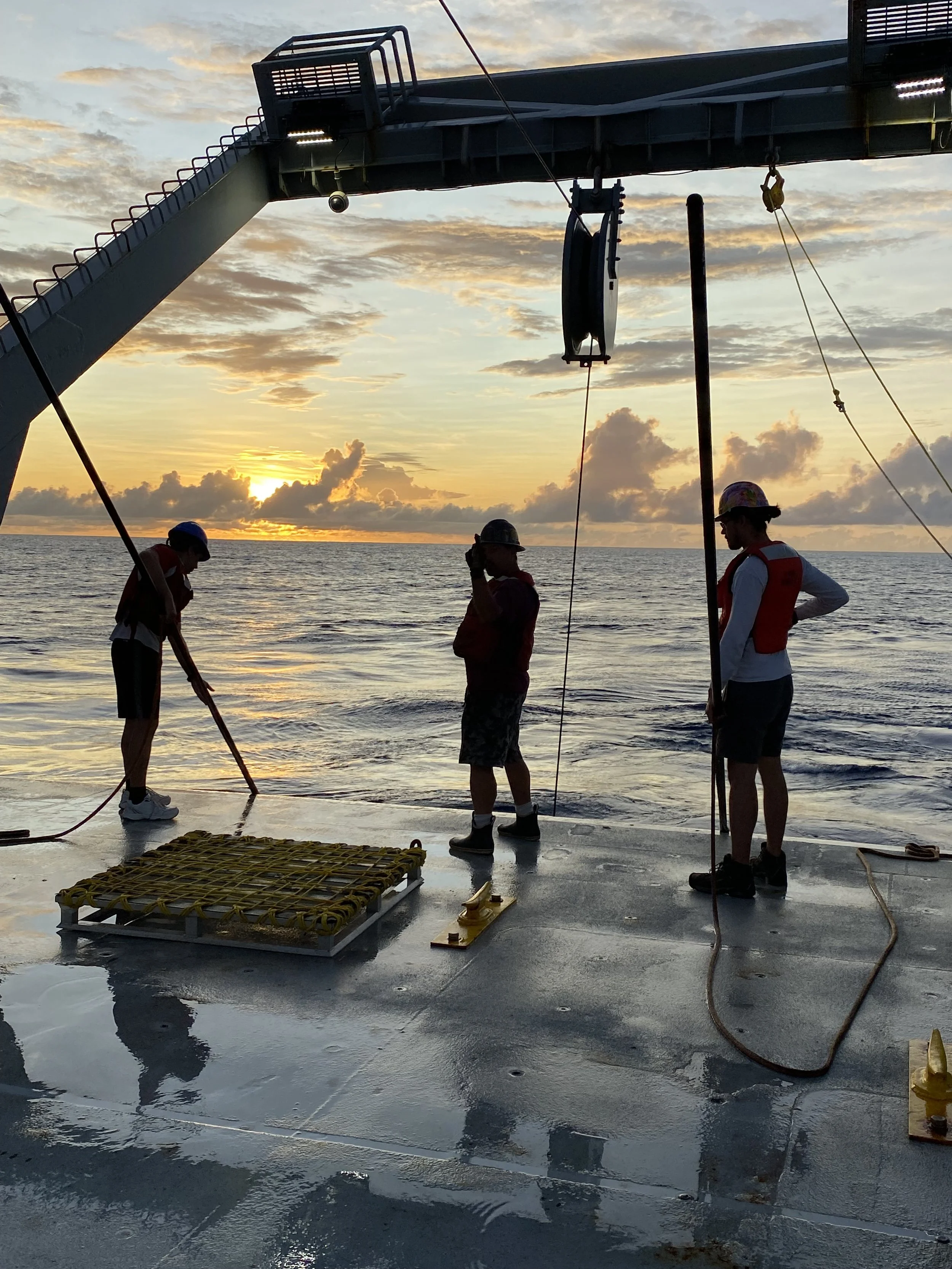
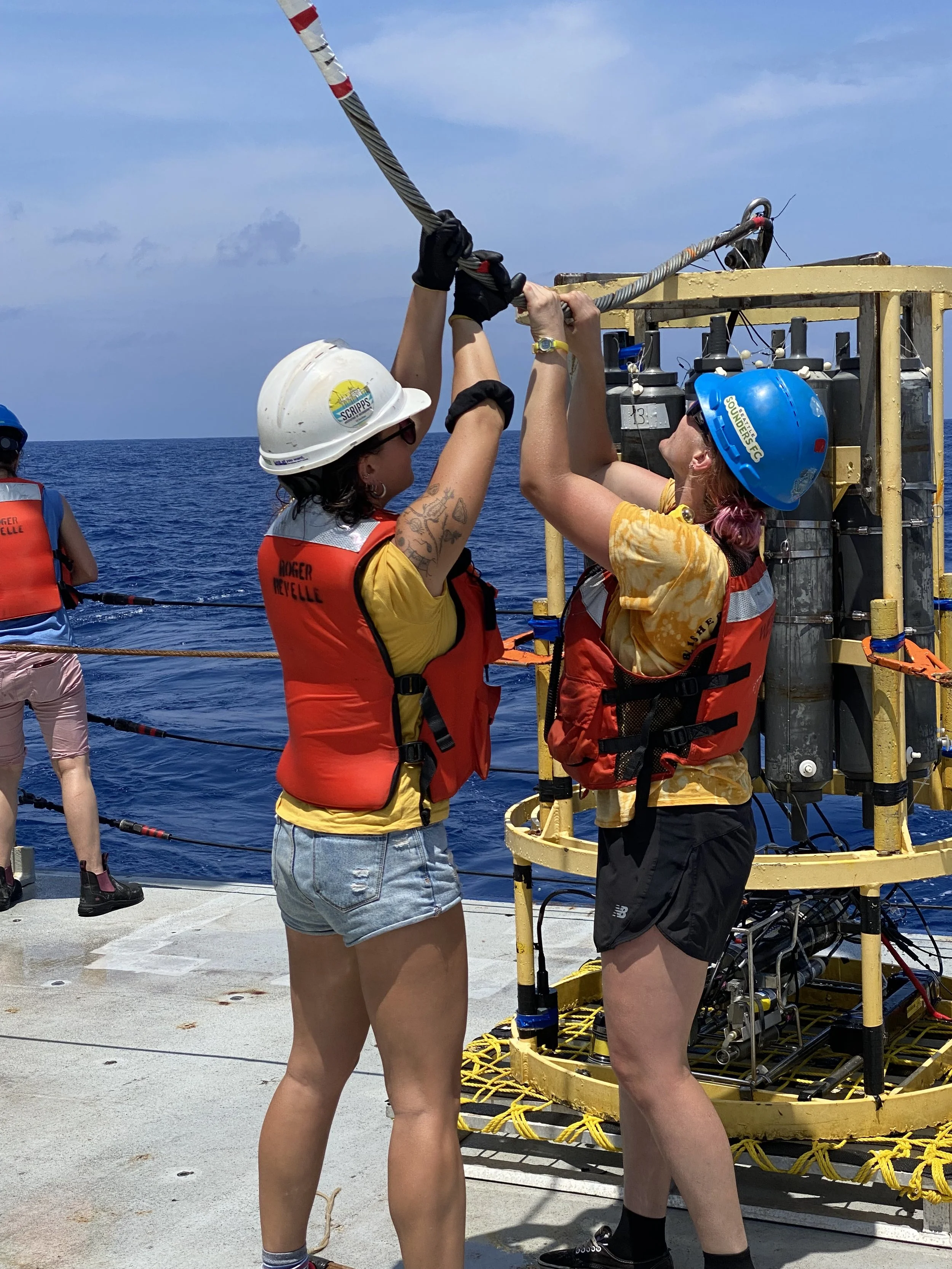
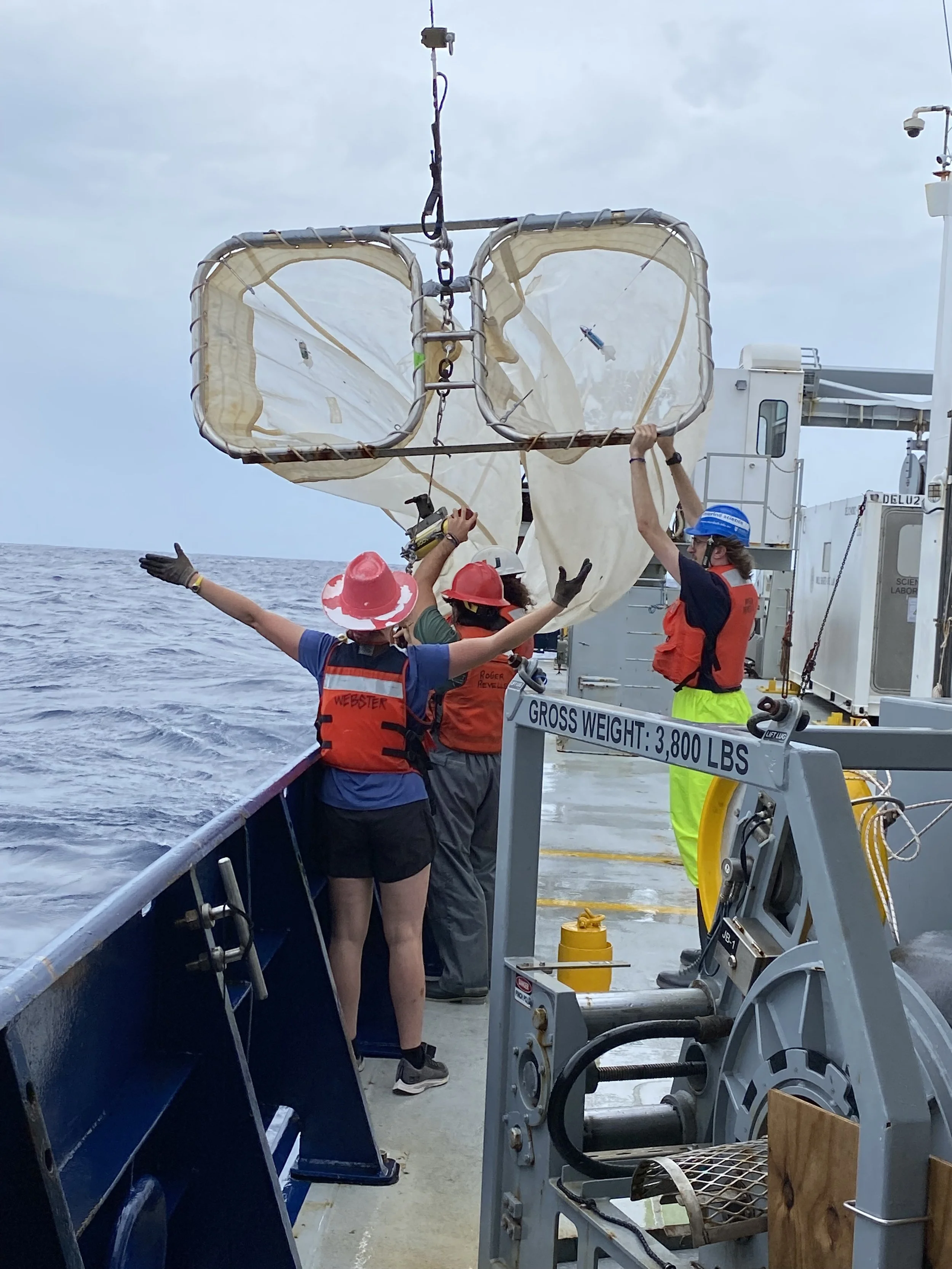
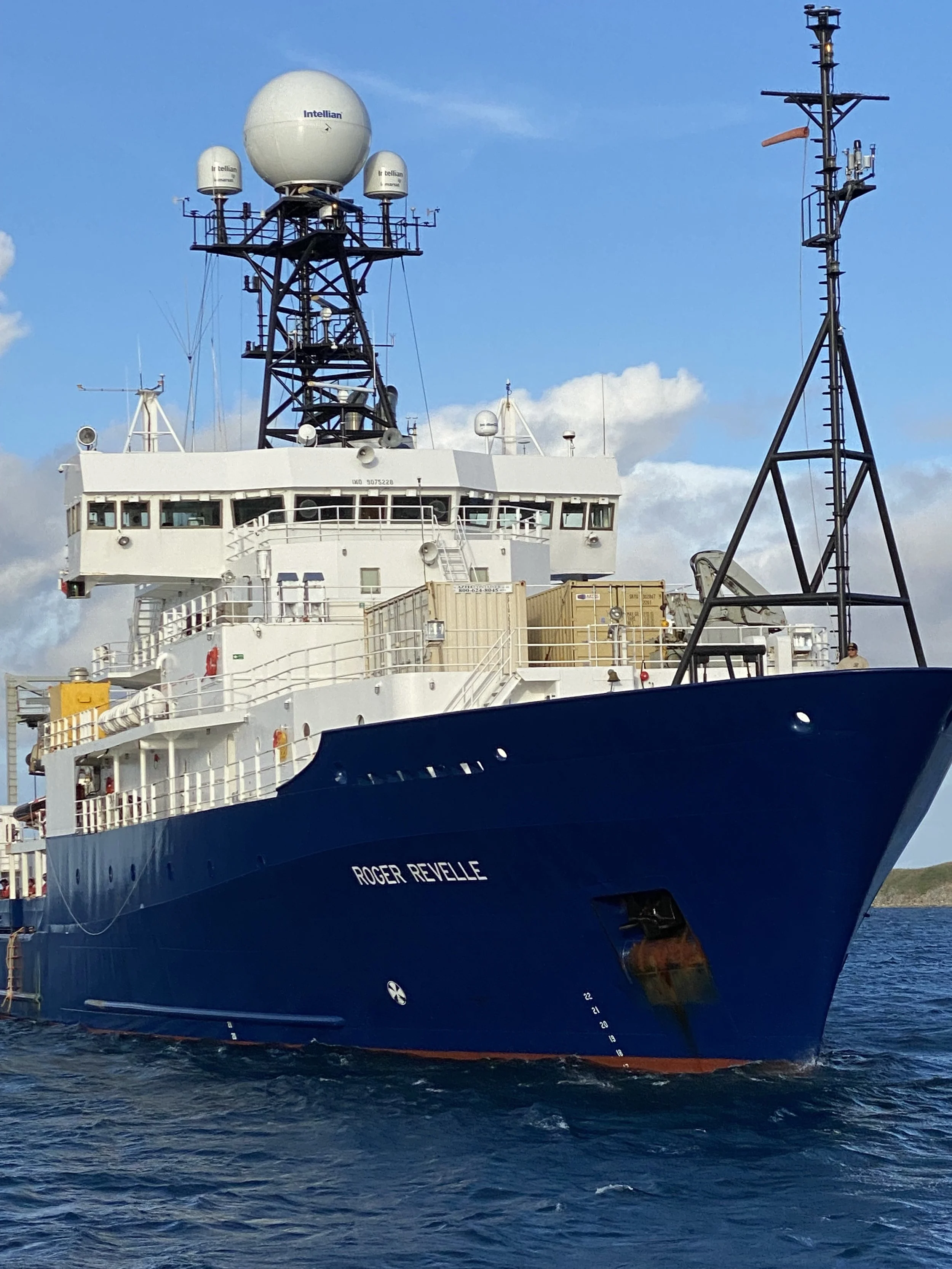
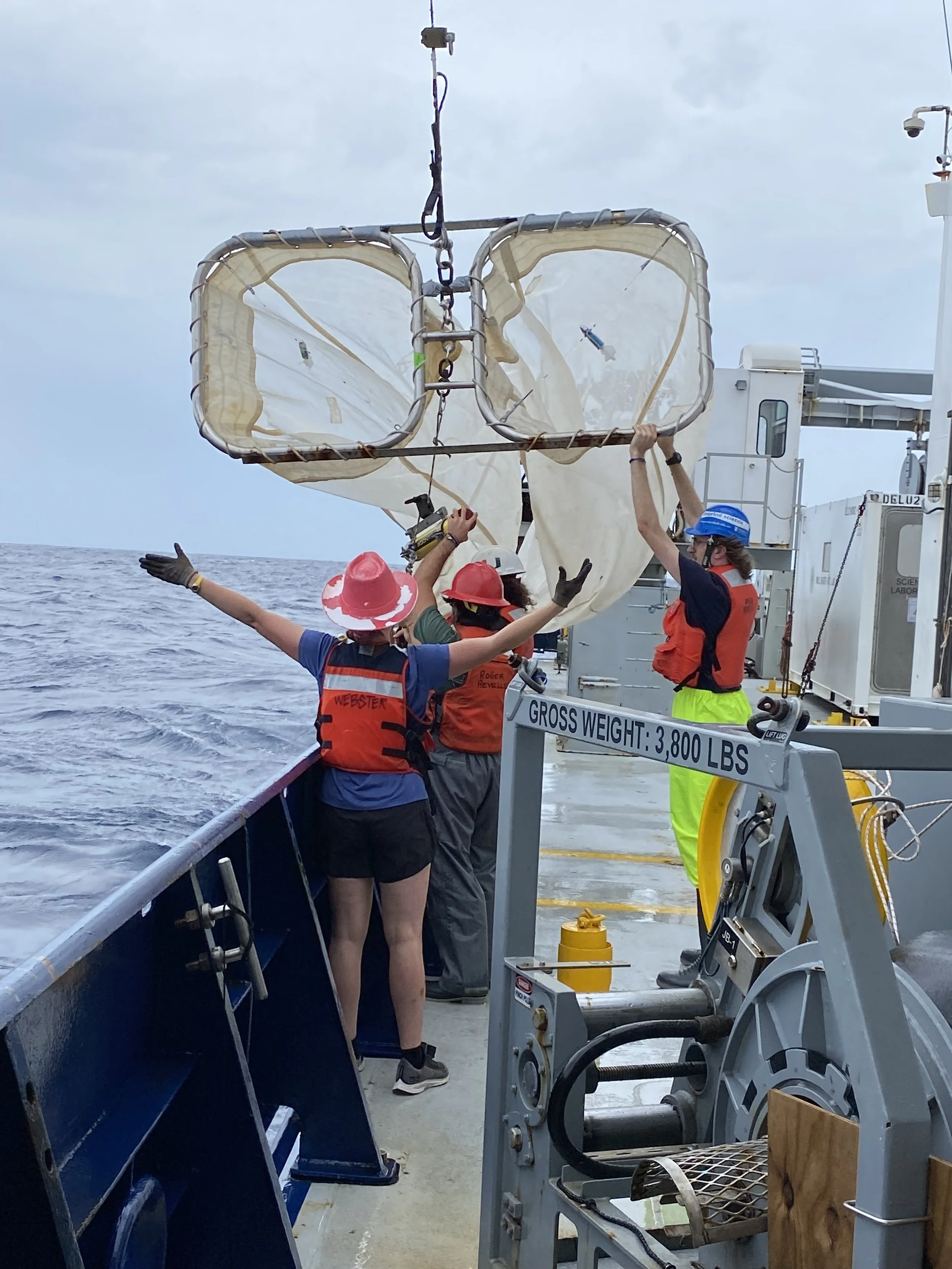
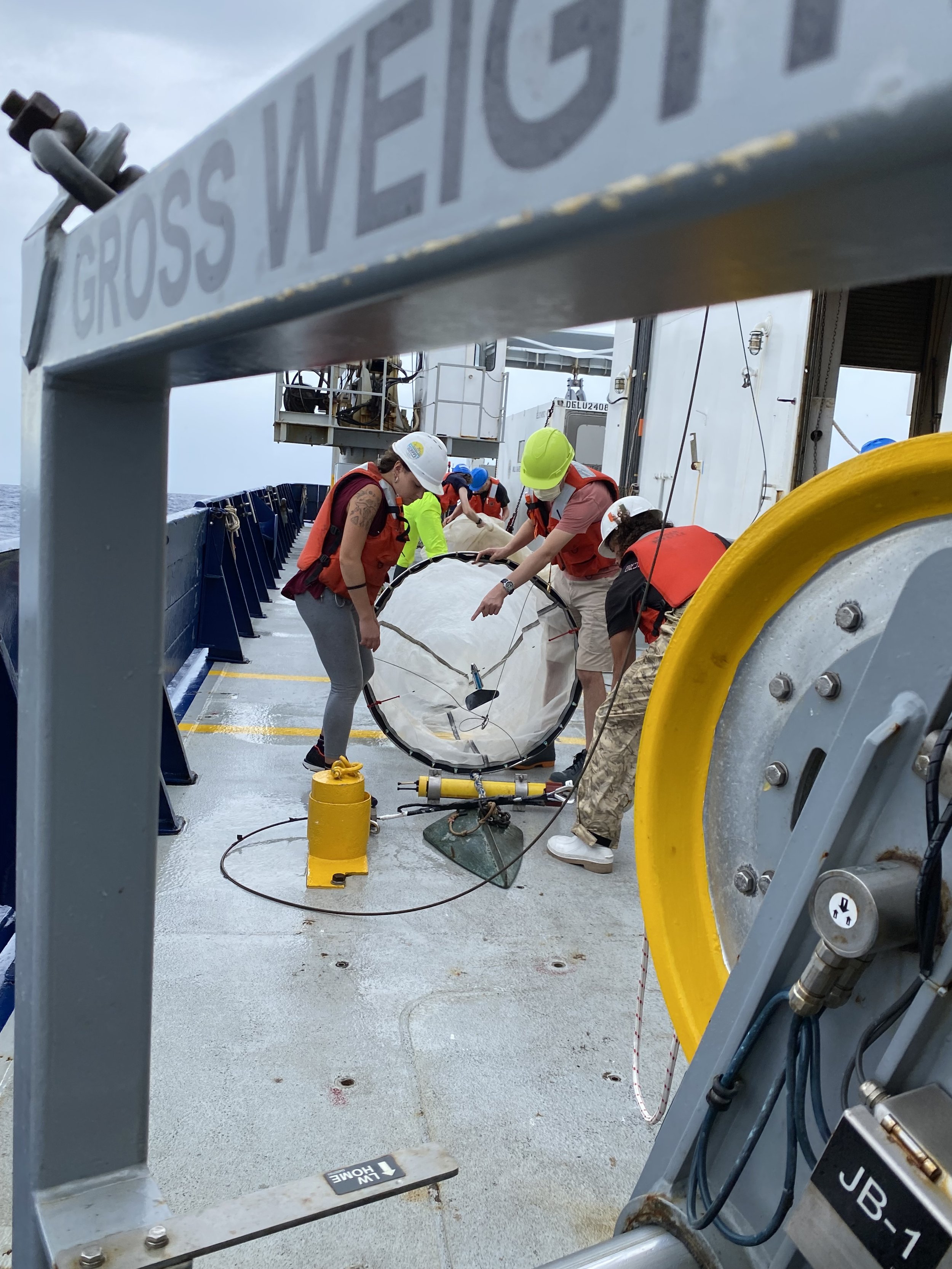
When Chief Scientist Michael R. Landry led the BLOOFINZ expedition aboard the R/V Roger Revelle into the oligotrophic waters of the southern Indian Ocean, the central question was deceptively simple: How do Southern Bluefin Tuna larvae survive in some of the most nutrient-poor waters on Earth? The answer, we knew, would lie not with the tuna themselves, but with the invisible organisms at the base of the food web.
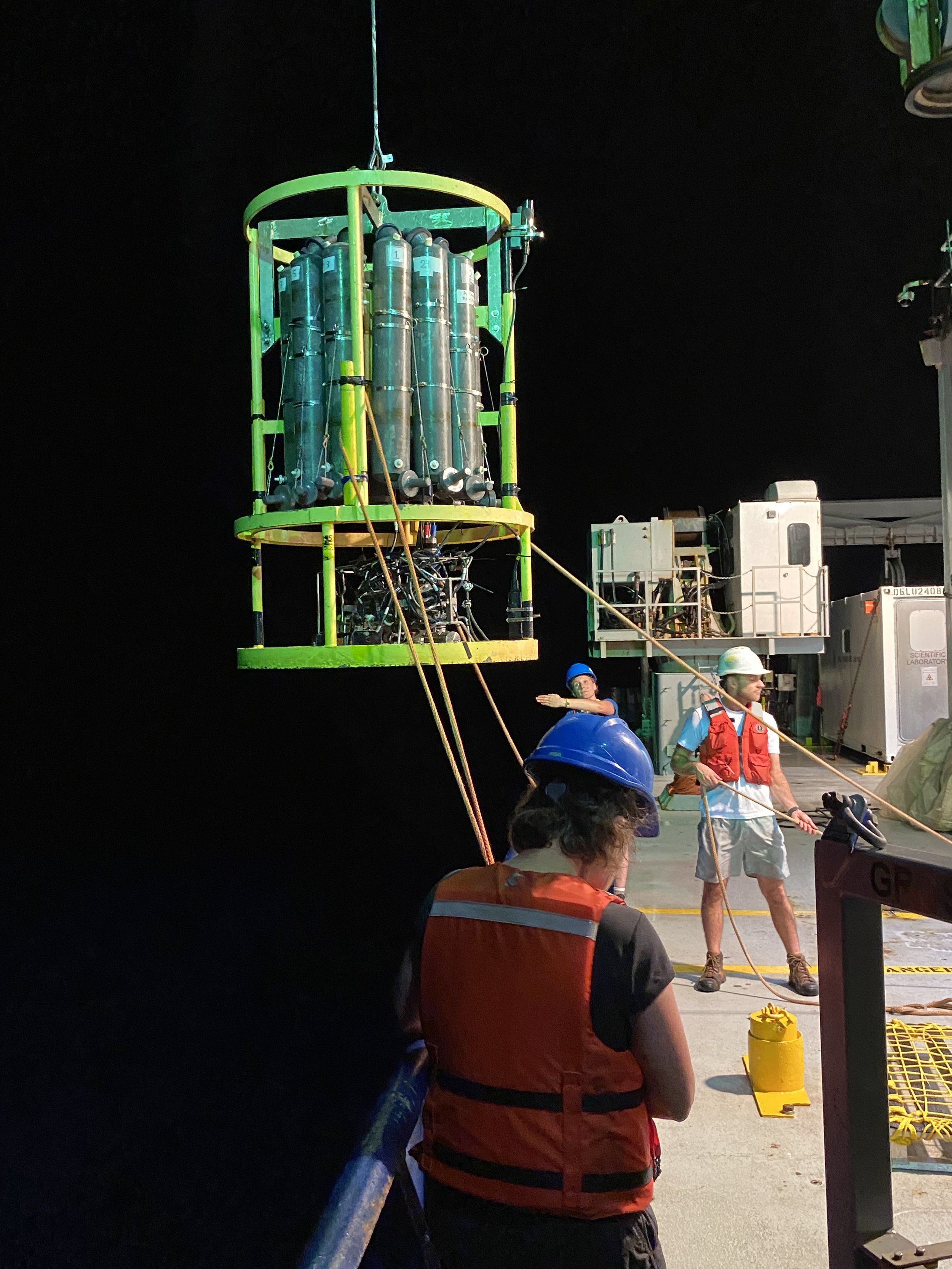
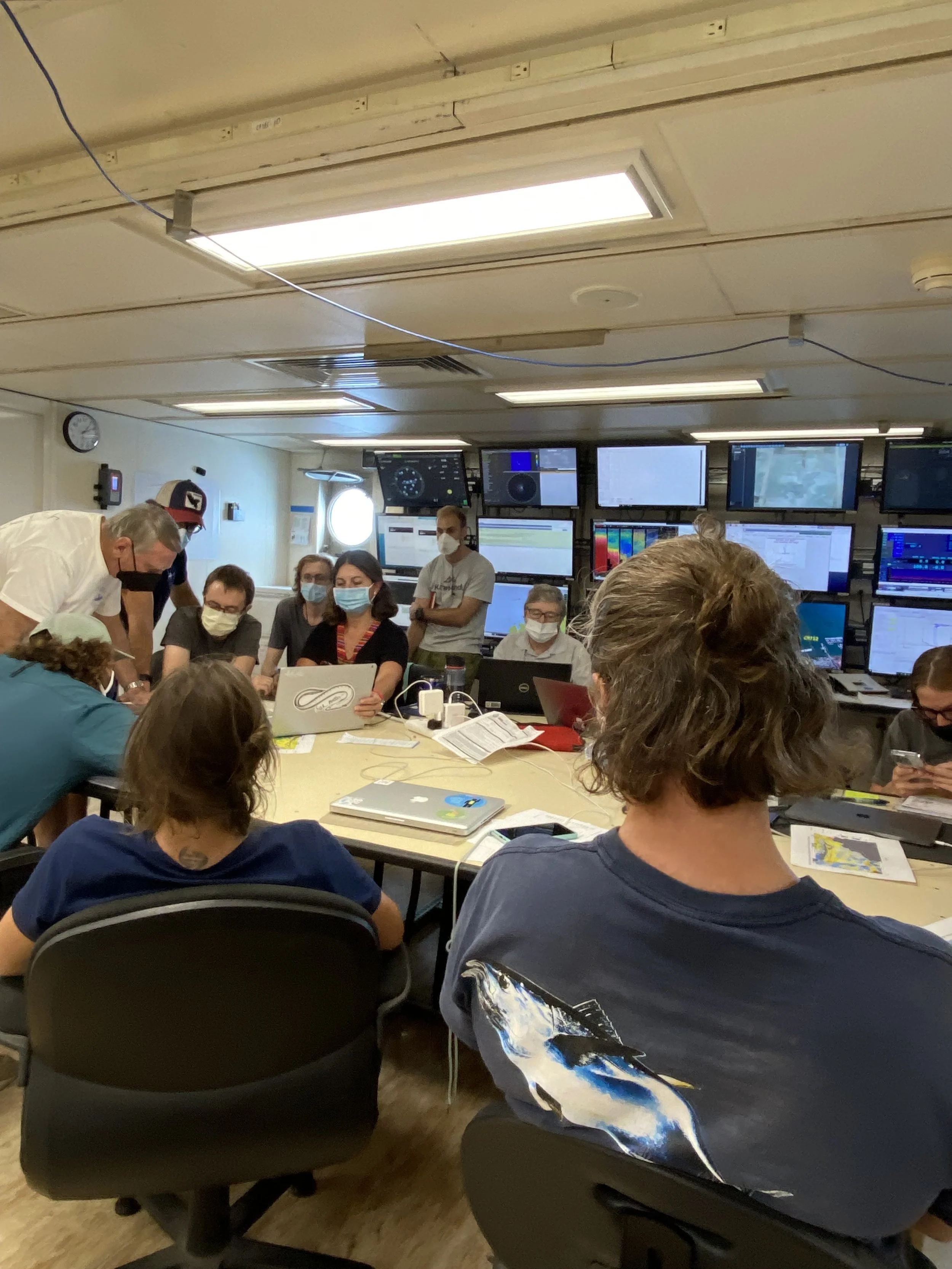
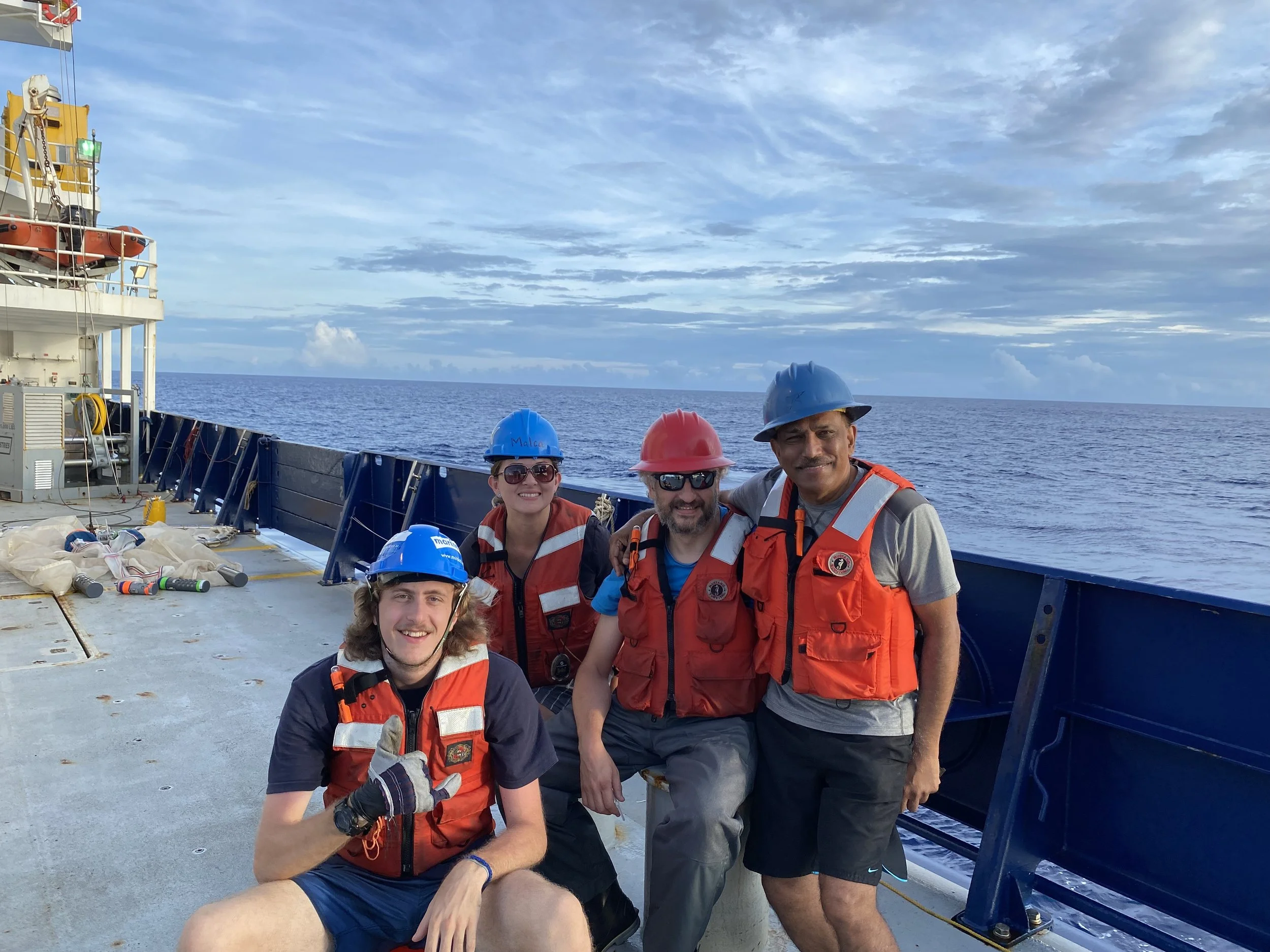
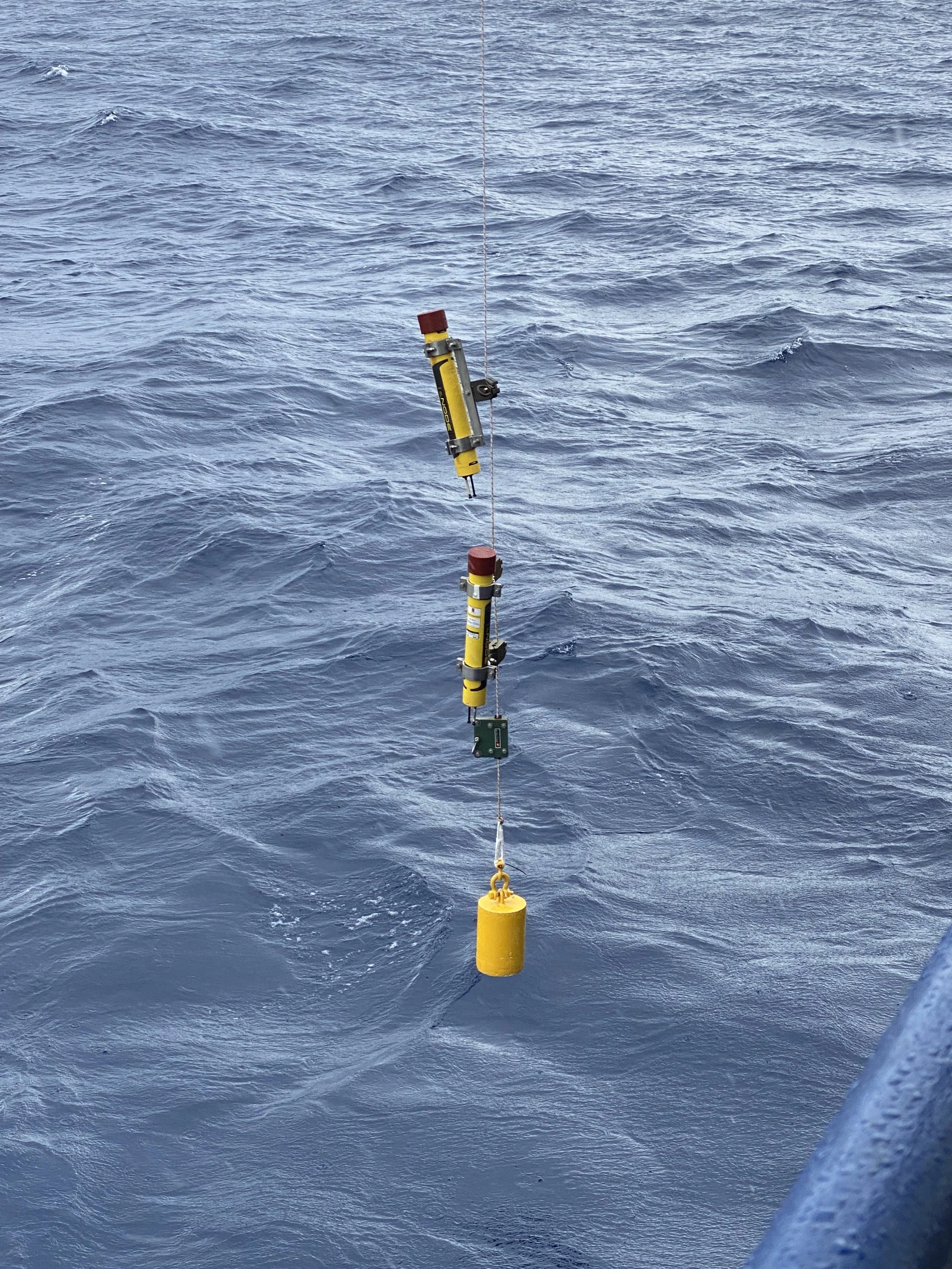
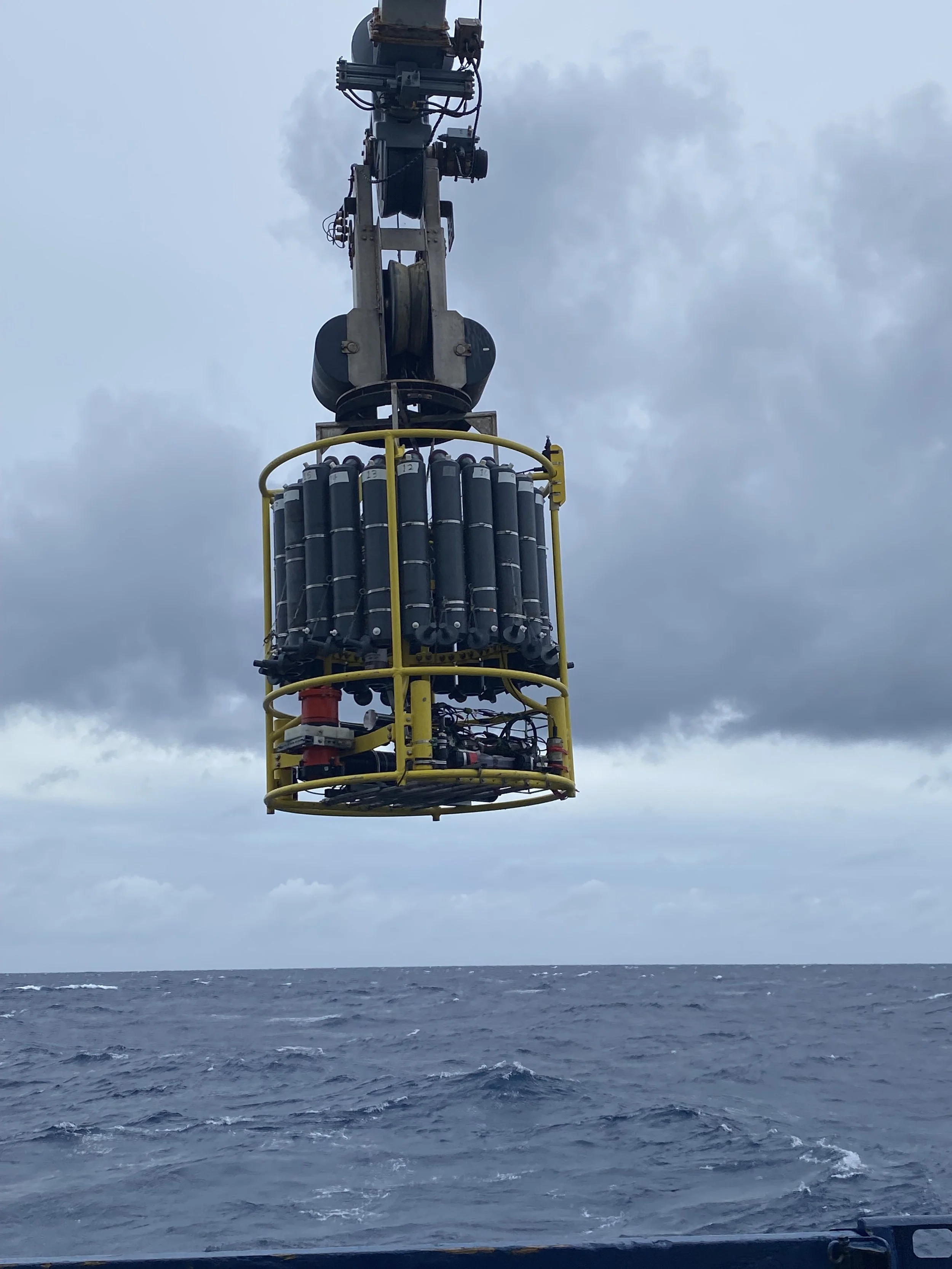
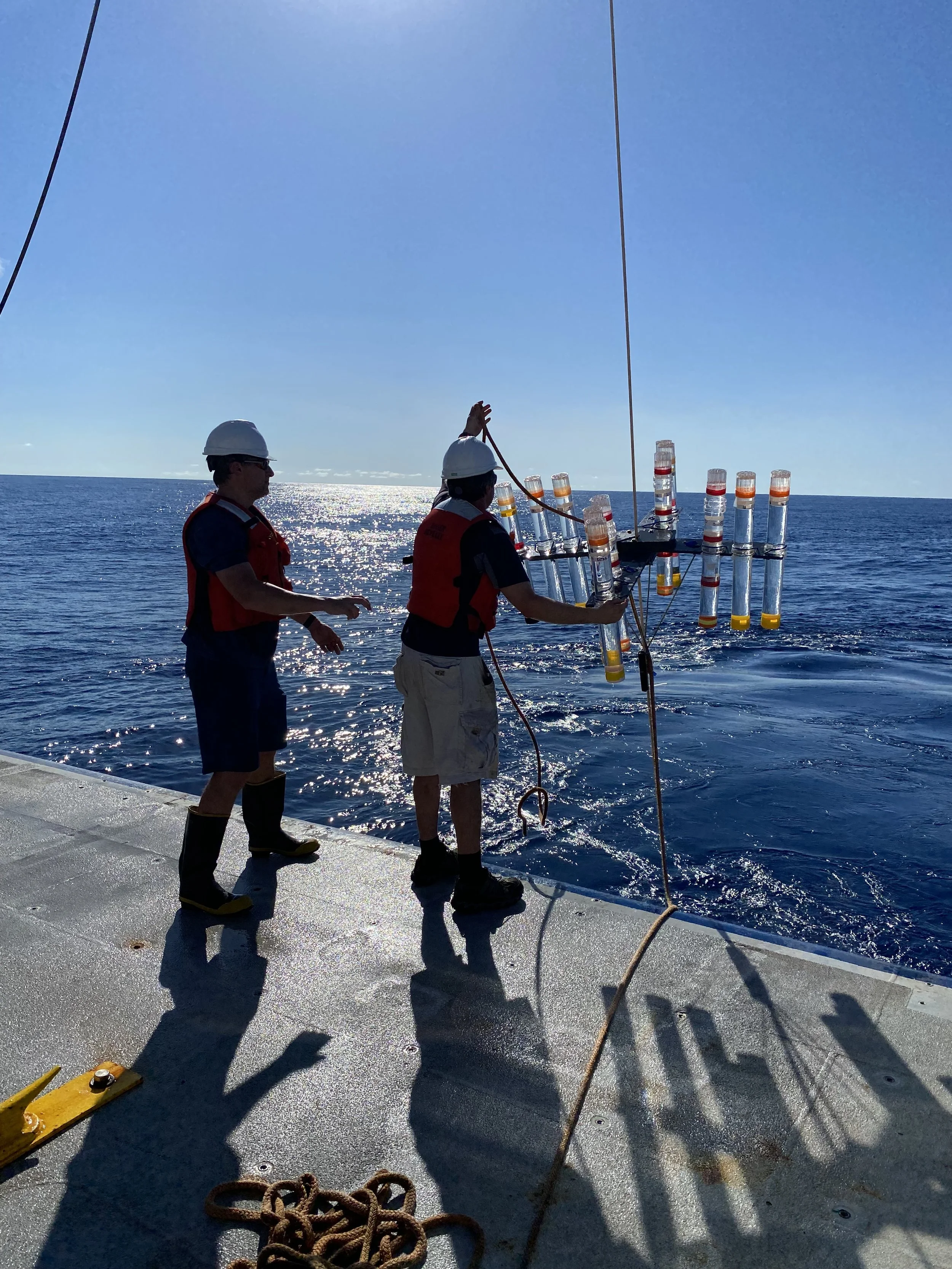
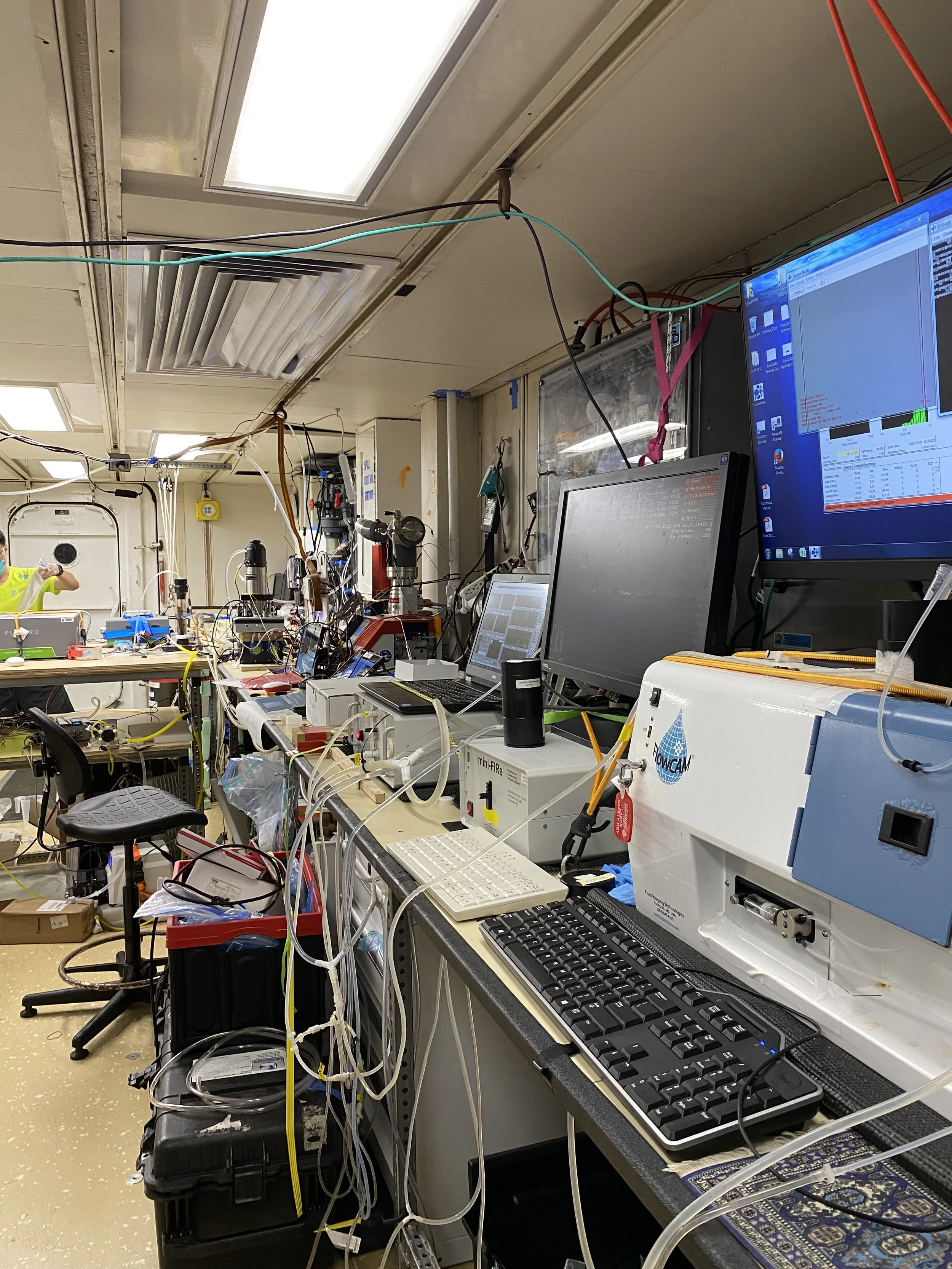
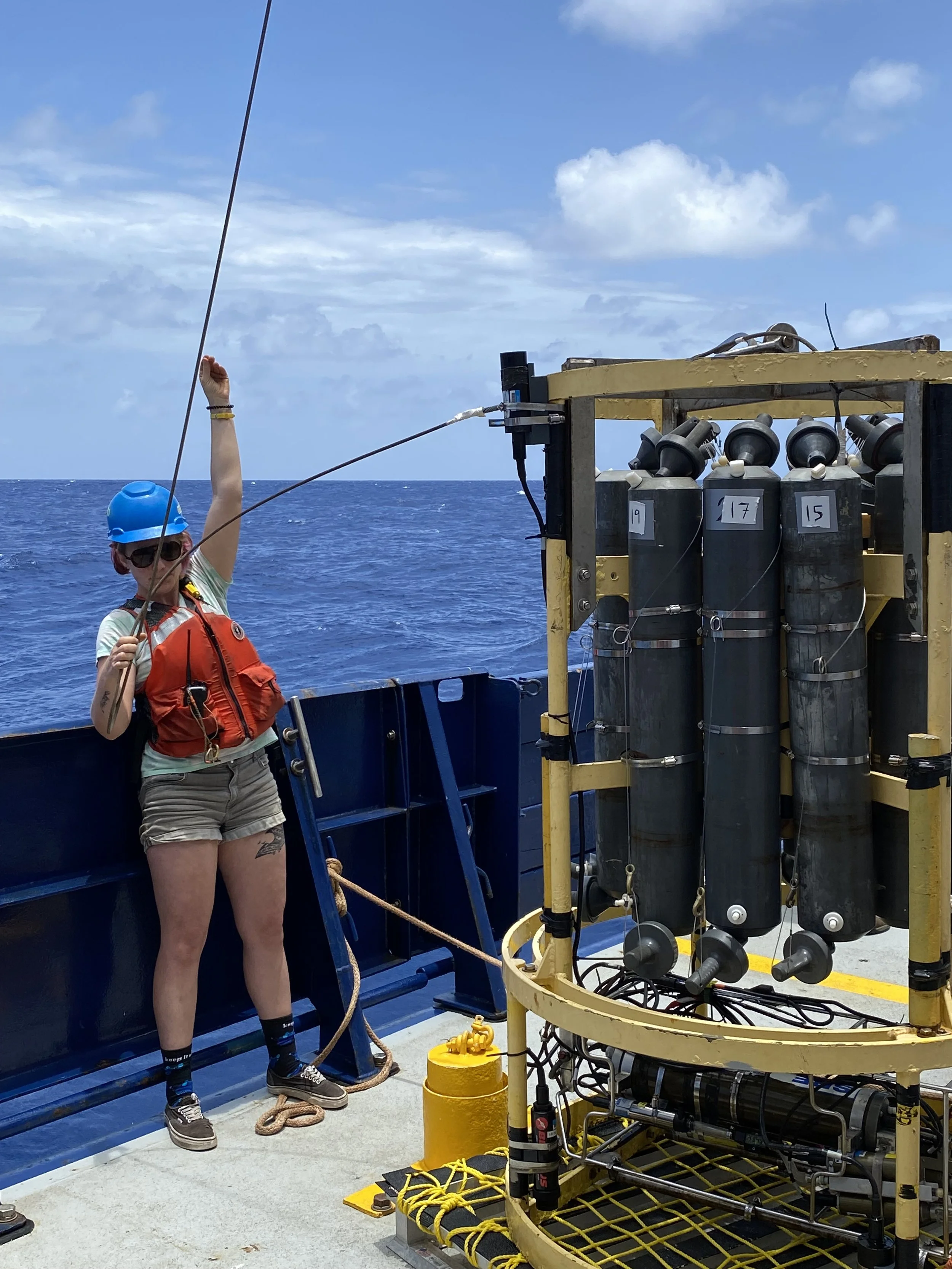
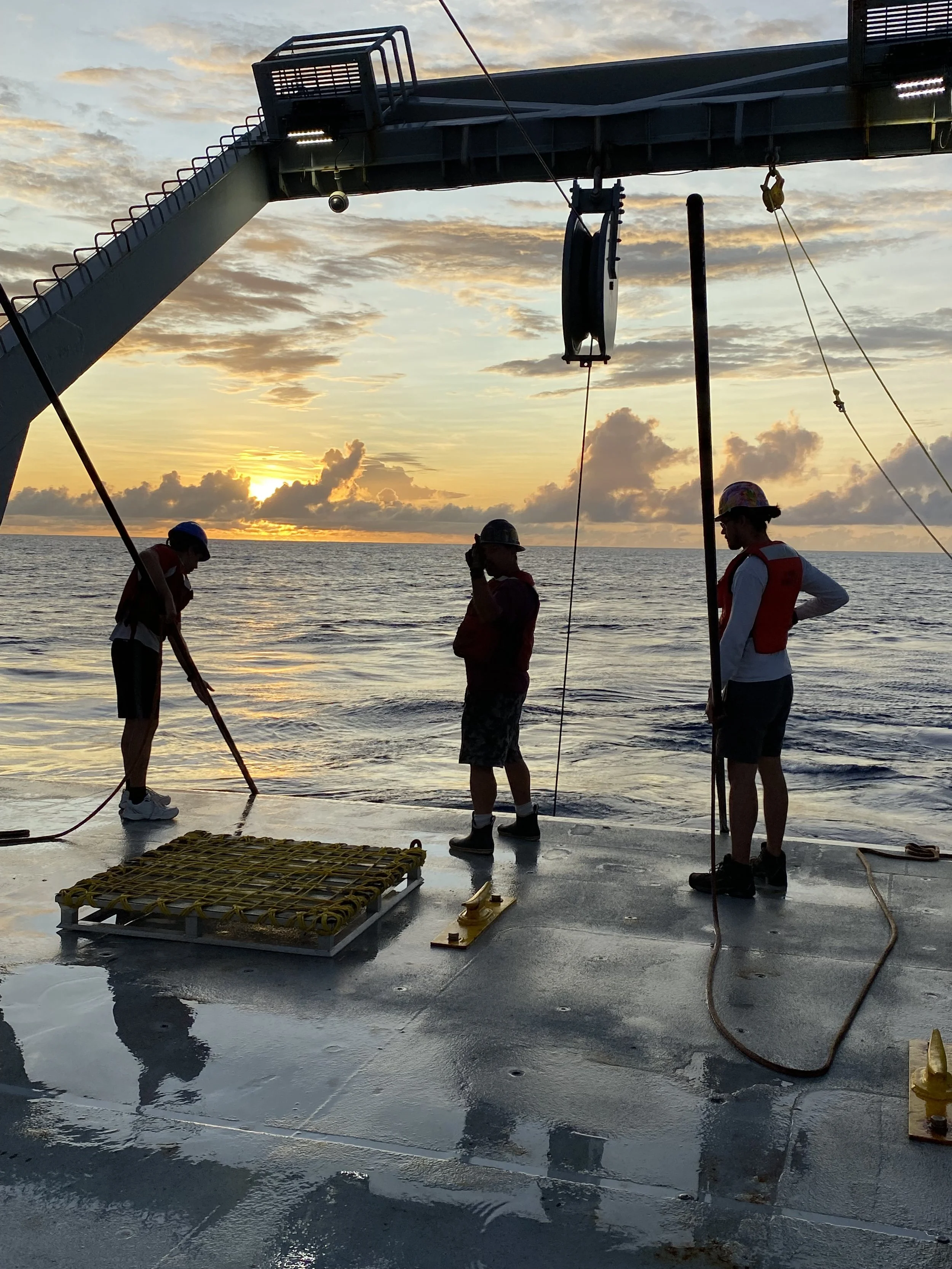
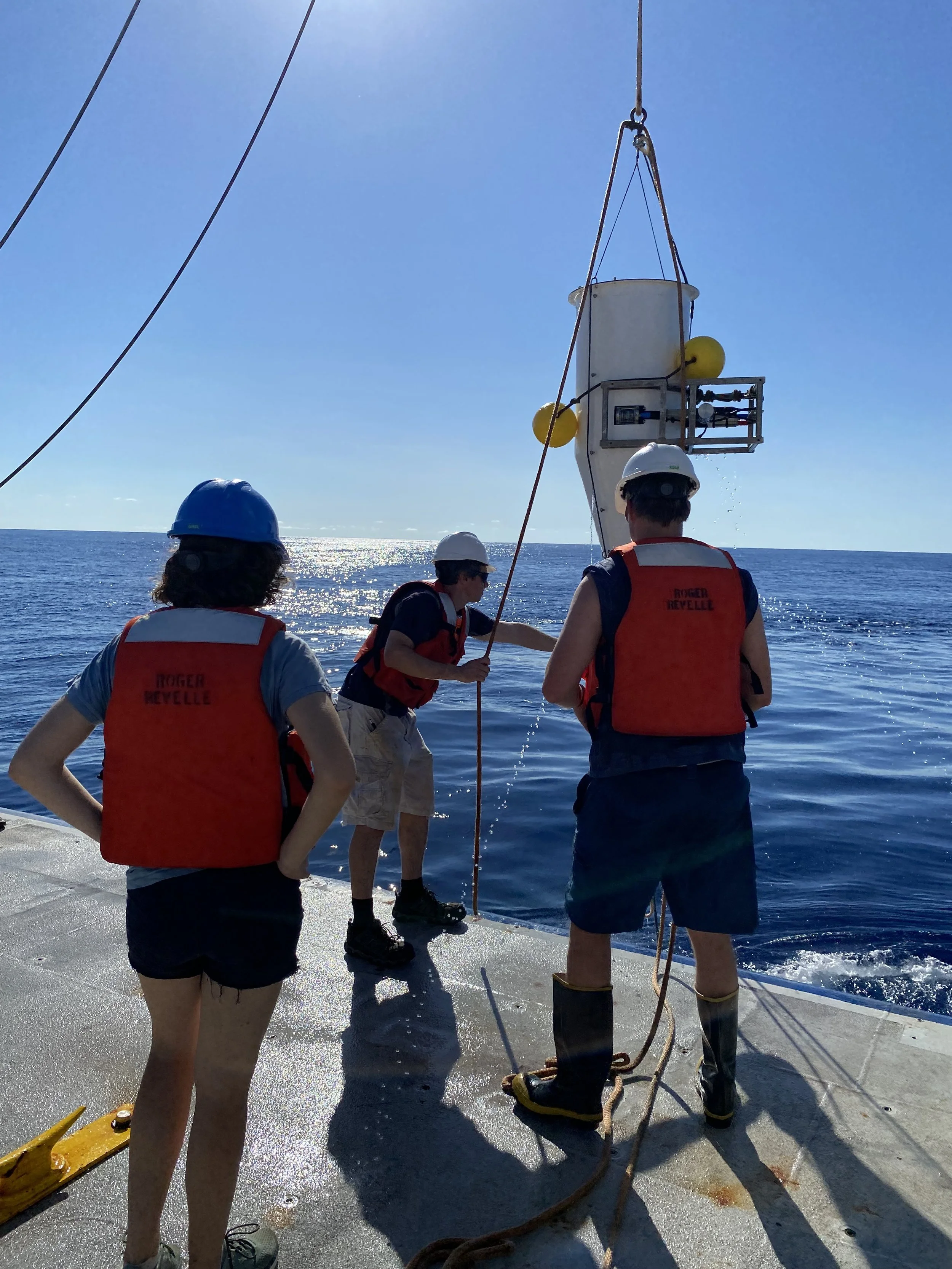
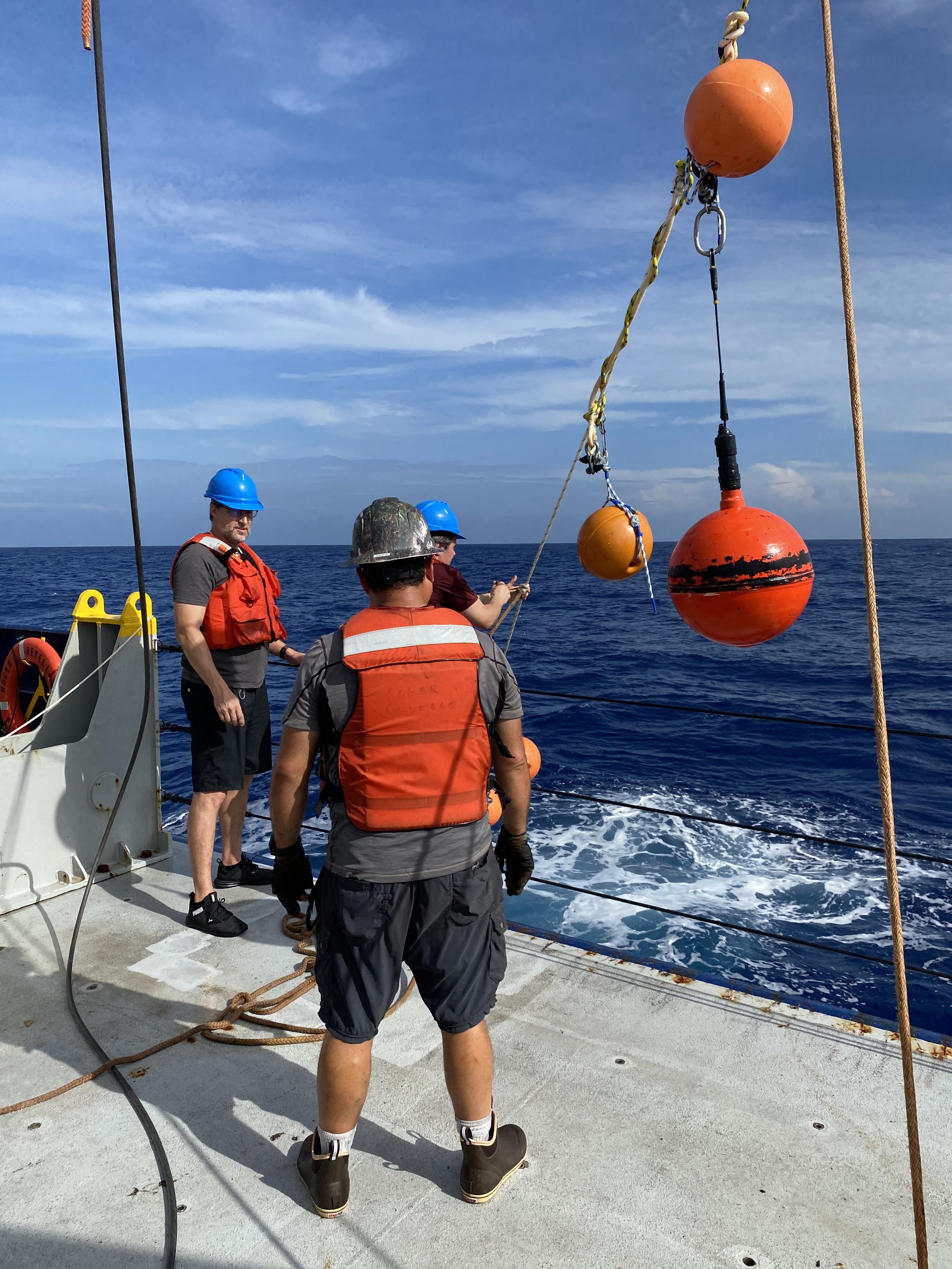
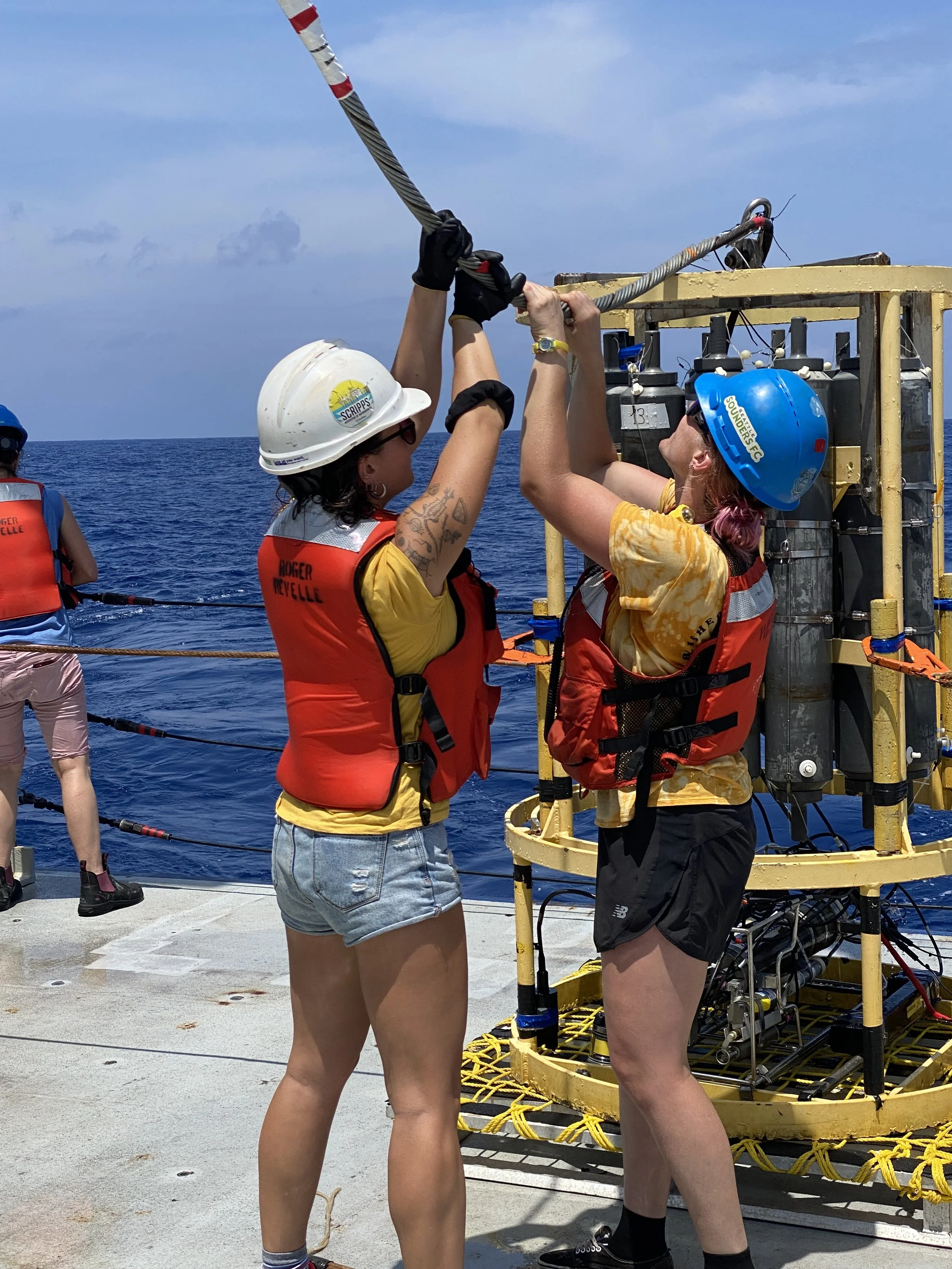
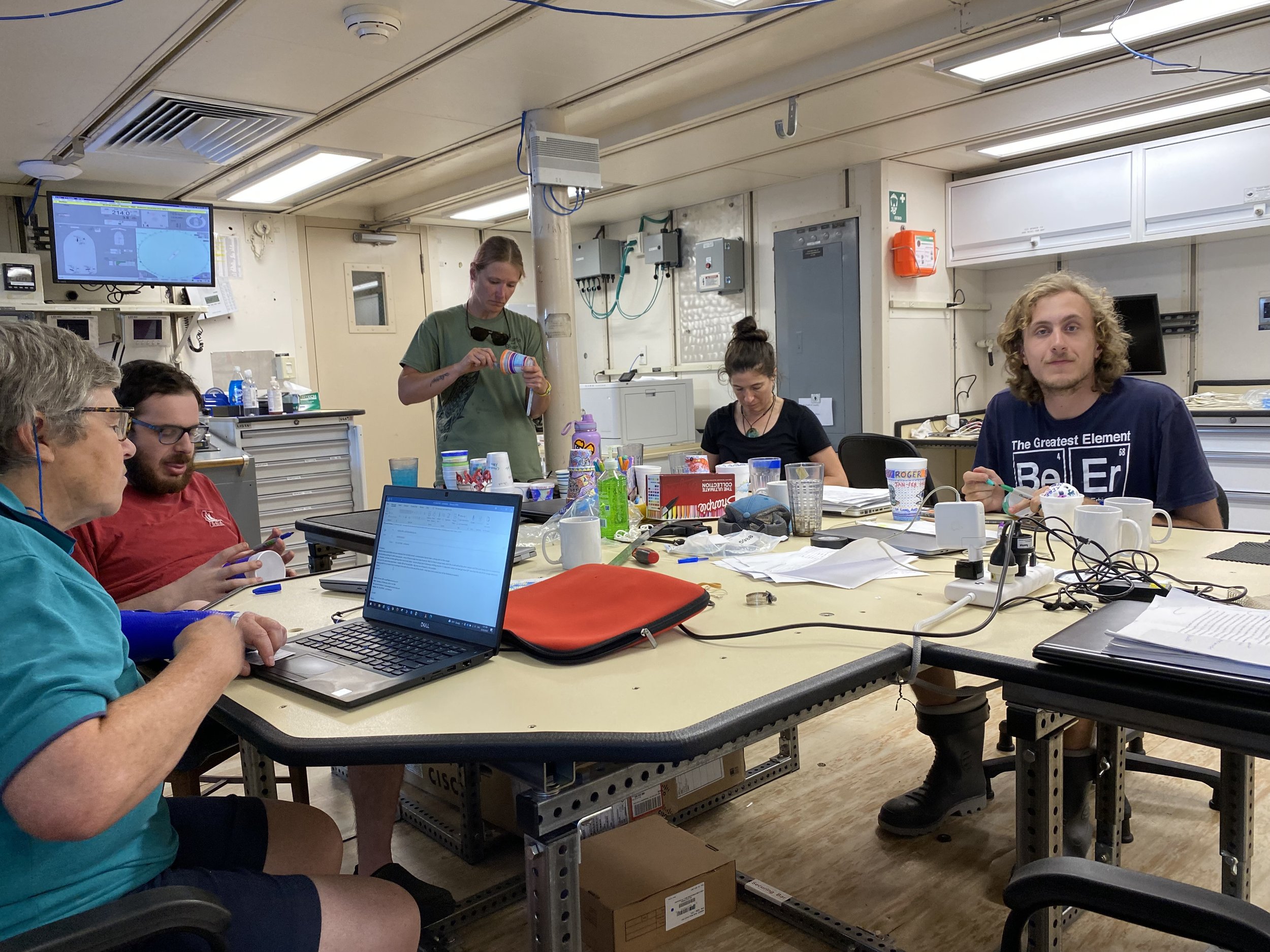
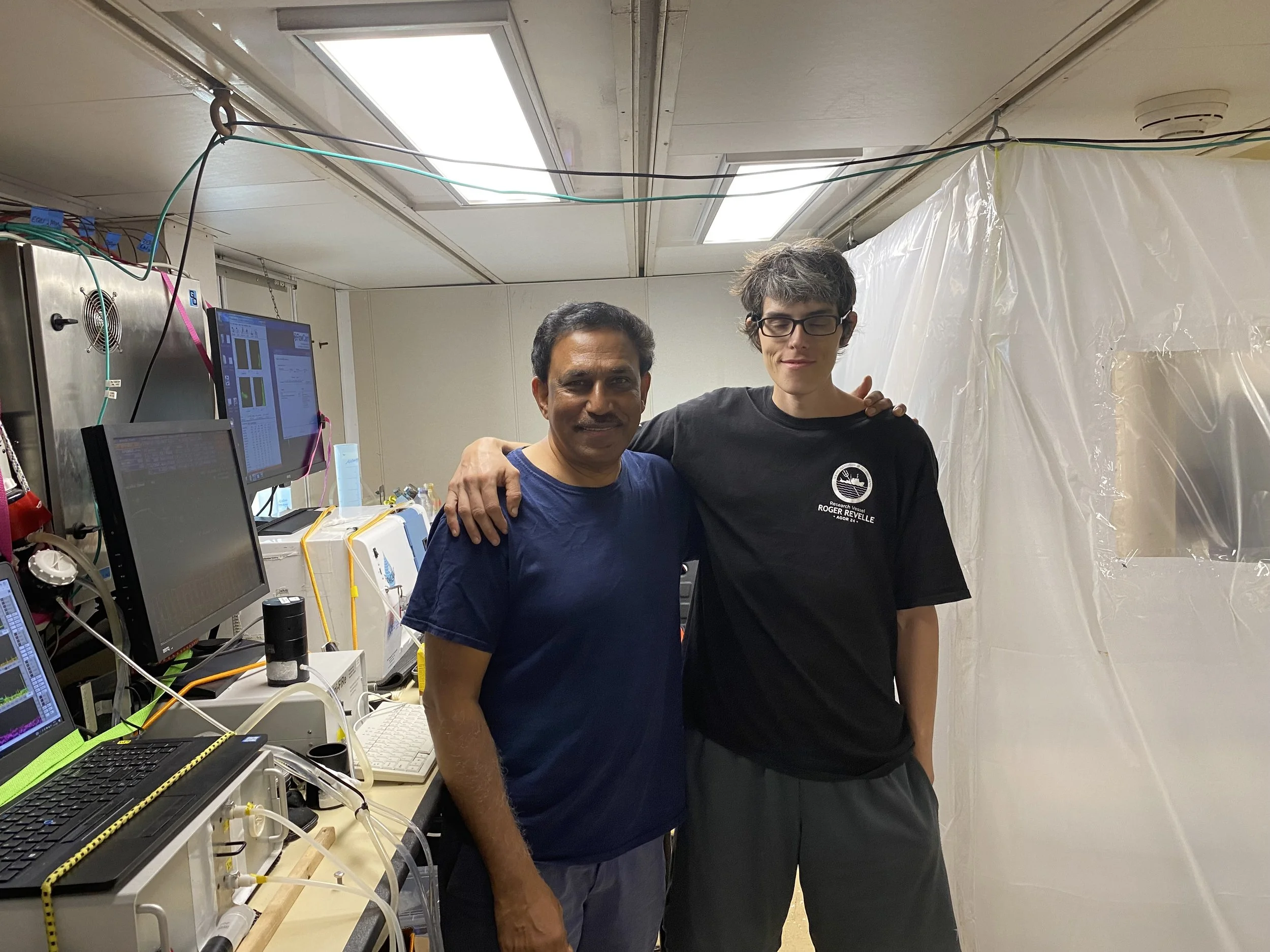
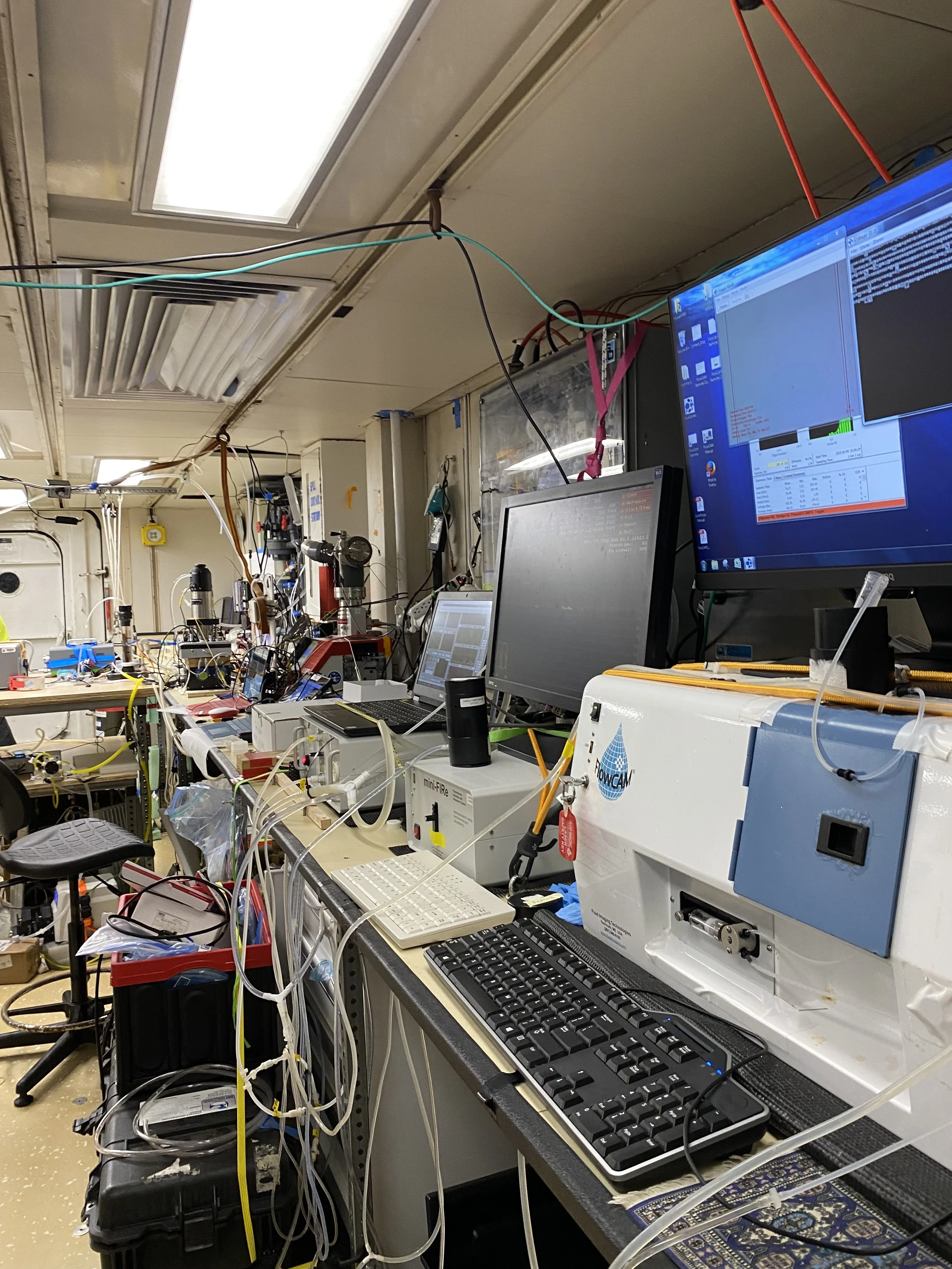
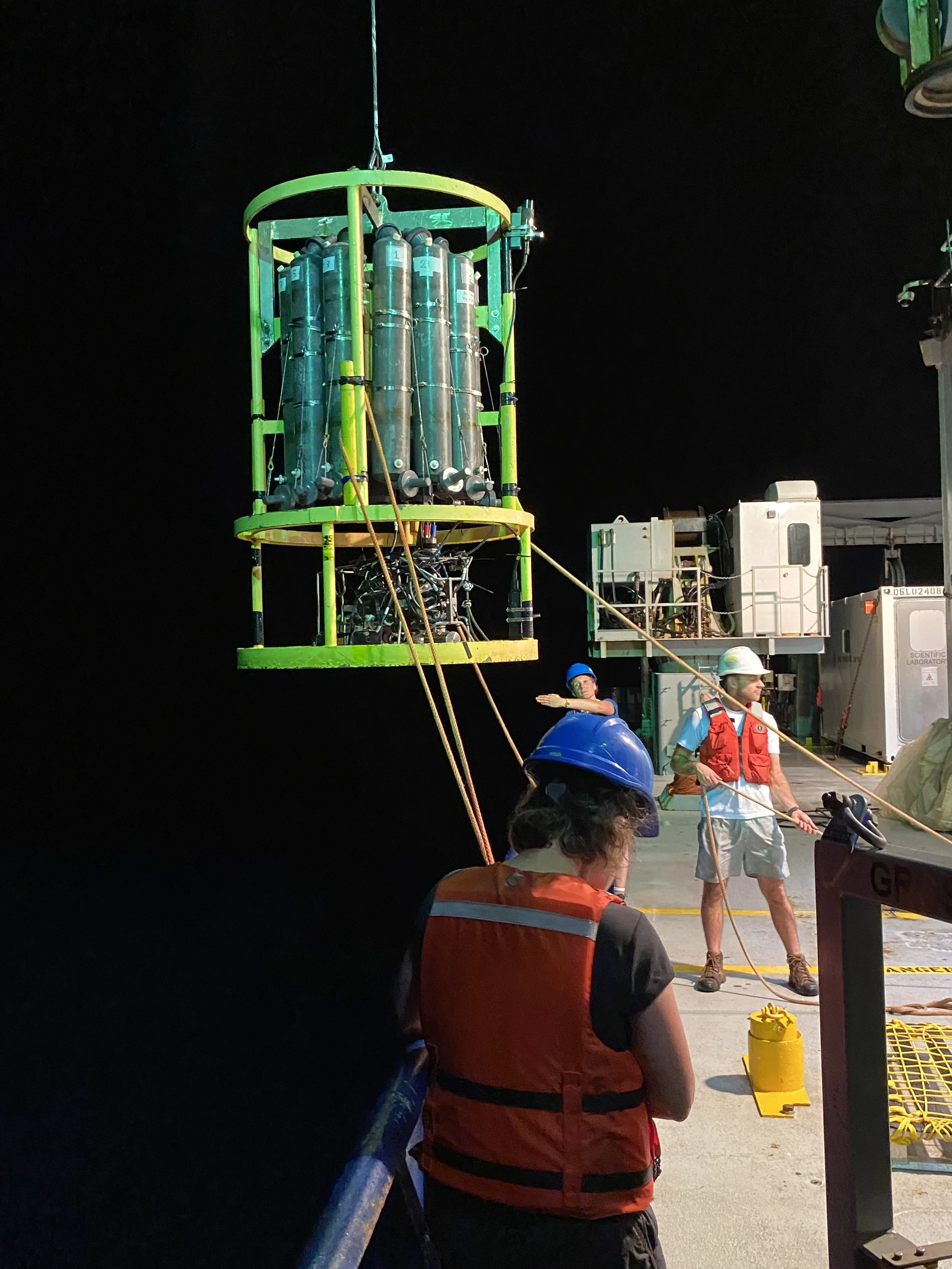
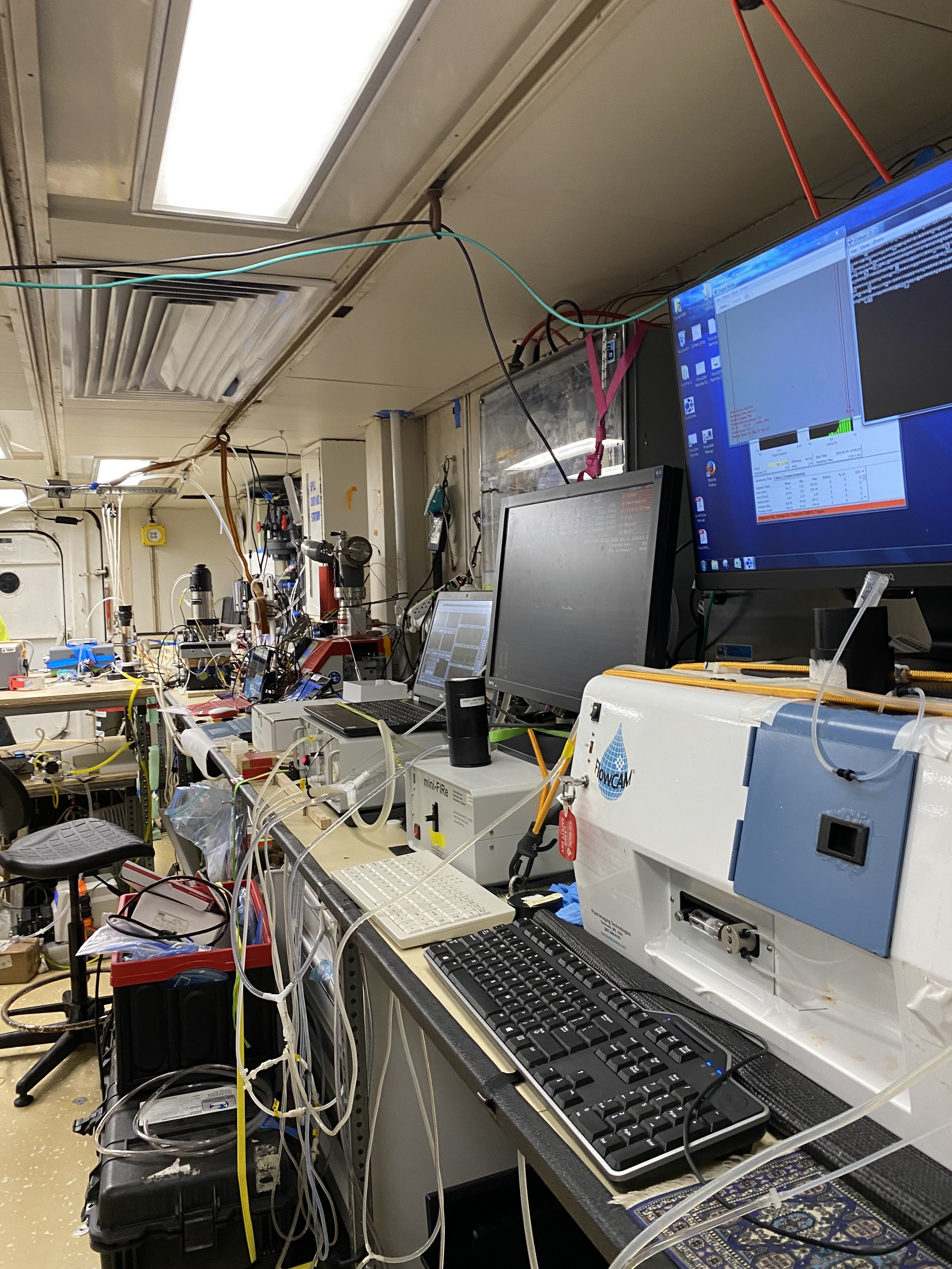
The Goes-Gomes Lab joined the expedition to illuminate this microscopic foundation. As the ship traversed eddies, fronts, and dynamic spawning habitats in the Argo Basin north of Australia, our team operated advanced laser-based fluorometric systems that continuously sampled surface waters. These instruments allowed us to measure chlorophyll-a, dissolved organic matter, cyanobacterial pigments, and photosynthetic efficiency in real time, effectively taking the pulse of the phytoplankton community as the vessel moved through changing oceanographic features.
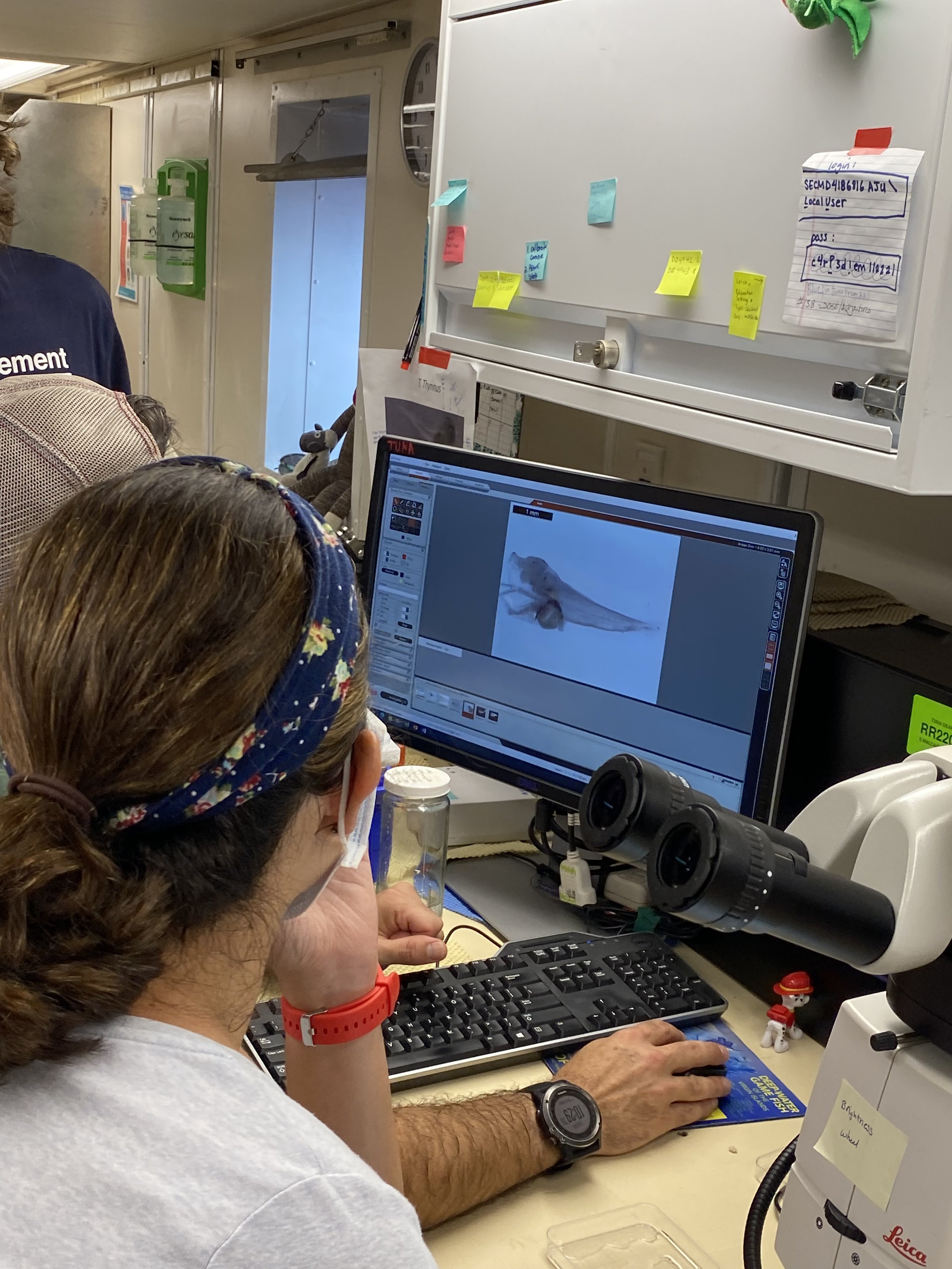
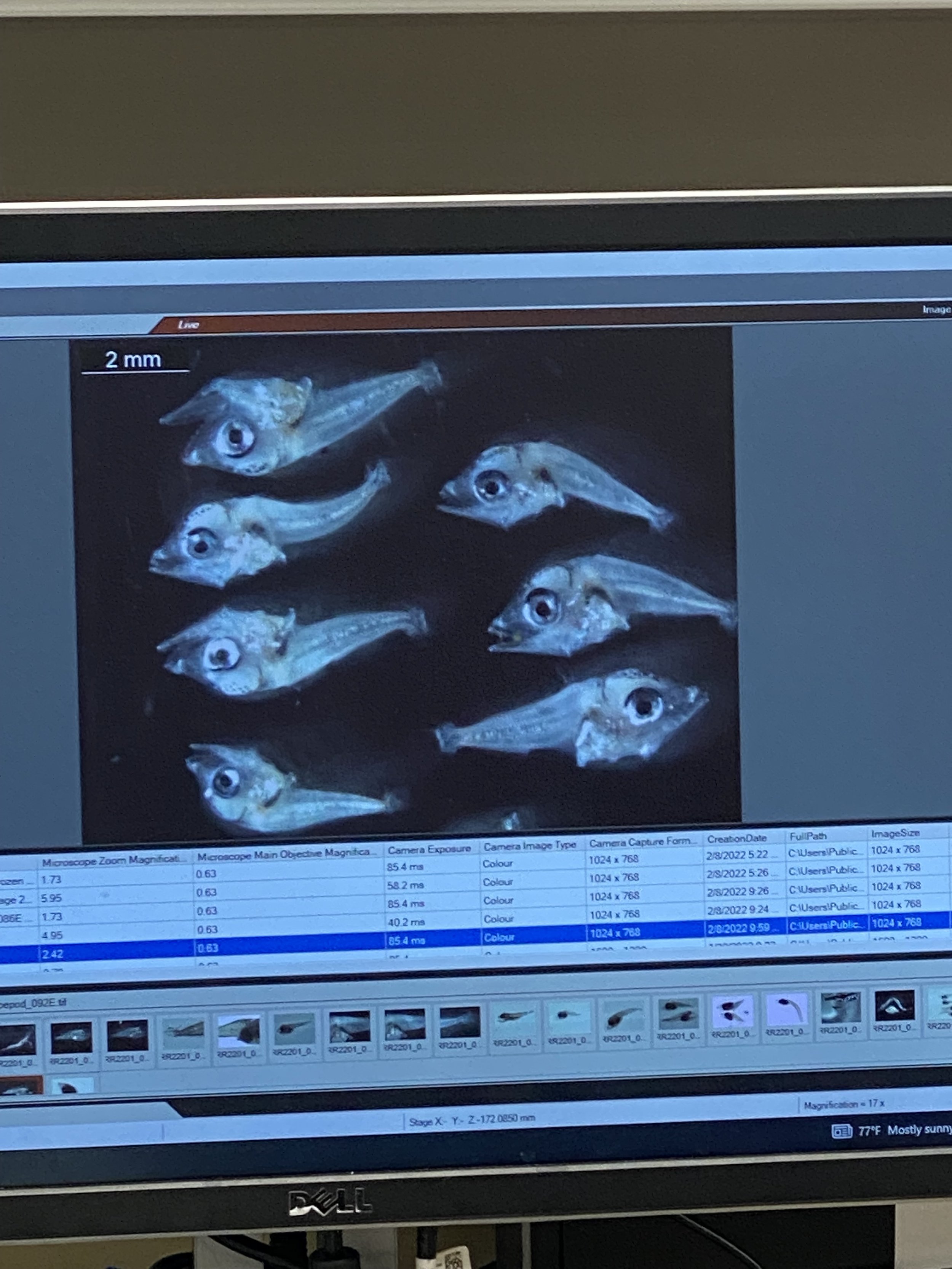
In these seemingly barren waters, subtle biological differences matter. Small shifts in phytoplankton composition or physiological health can influence zooplankton abundance, which in turn determines whether larval tuna encounter sufficient prey during the earliest and most vulnerable stages of life. By mapping phytoplankton biomass and function at high resolution, our work helped identify the biological “hotspots” embedded within otherwise nutrient-poor seas.
The BLOOFINZ cruise underscored a principle that guides our lab’s global research: ocean ecosystems are structured from the bottom up. The survival of commercially and ecologically important species begins with processes occurring at microscopic scales. By linking phytoplankton physiology to nutrient dynamics and food-web structure, our contributions helped bridge the gap between physical oceanography and fisheries ecology.
In the end, BLOOFINZ was not only about tuna larvae. It was about understanding how life persists in the open ocean, and how the smallest organisms quietly sustain the largest.BLOOFINZ EXPEDITION: From Microscopic Life to Tuna Survival
When Chief Scientist Michael R. Landry led the BLOOFINZ expedition aboard the R/V Roger Revelle into the oligotrophic waters of the southern Indian Ocean, the central question was deceptively simple: How do Southern Bluefin Tuna larvae survive in some of the most nutrient-poor waters on Earth? The answer, we knew, would lie not with the tuna themselves, but with the invisible organisms at the base of the food web.
The Goes-Gomes Lab joined the expedition to illuminate this microscopic foundation. As the ship traversed eddies, fronts, and dynamic spawning habitats in the Argo Basin north of Australia, our team operated advanced laser-based fluorometric systems that continuously sampled surface waters. These instruments allowed us to measure chlorophyll-a, dissolved organic matter, cyanobacterial pigments, and photosynthetic efficiency in real time, effectively taking the pulse of the phytoplankton community as the vessel moved through changing oceanographic features.
In these seemingly barren waters, subtle biological differences matter. Small shifts in phytoplankton composition or physiological health can influence zooplankton abundance, which in turn determines whether larval tuna encounter sufficient prey during the earliest and most vulnerable stages of life. By mapping phytoplankton biomass and function at high resolution, our work helped identify the biological “hotspots” embedded within otherwise nutrient-poor seas.
The BLOOFINZ cruise underscored a principle that guides our lab’s global research: ocean ecosystems are structured from the bottom up. The survival of commercially and ecologically important species begins with processes occurring at microscopic scales. By linking phytoplankton physiology to nutrient dynamics and food-web structure, our contributions helped bridge the gap between physical oceanography and fisheries ecology.
In the end, BLOOFINZ was not only about tuna larvae. It was about understanding how life persists in the open ocean, and how the smallest organisms quietly sustain the largest.