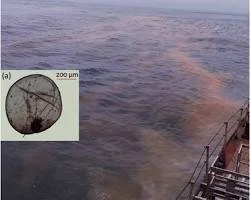
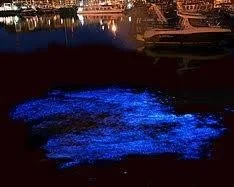
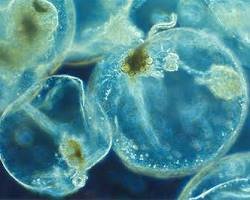
This study investigates whether changes in seawater salinity can limit the growth of Noctiluca scintillans, a mixotrophic dinoflagellate that has driven increasingly severe algal blooms in the Arabian Sea over the past two decades. Noctilucaderives energy both by consuming other phytoplankton and through photosynthesis performed by its symbiotic green alga, Pedinomonas noctilucae. This dual nutritional strategy has made it an exceptionally competitive and dominant species within the region’s planktonic food web.
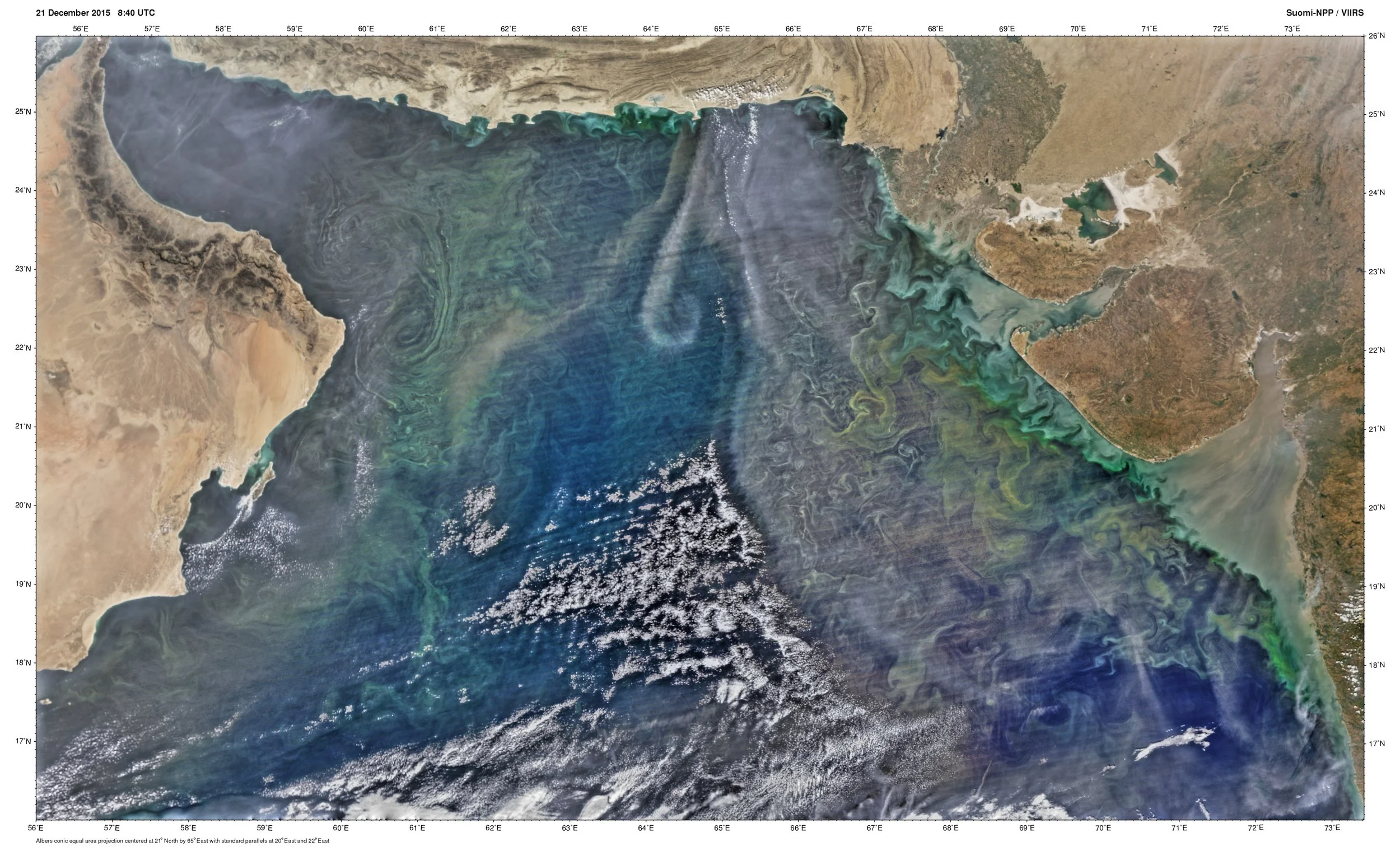
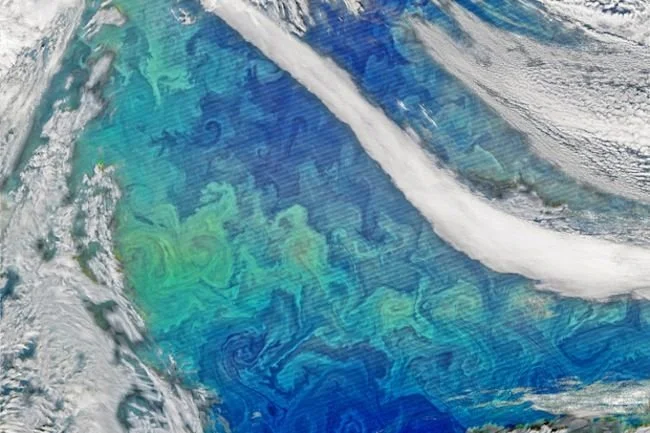
Environmental changes in the Arabian Sea—including increased coastal pollution, ocean acidification, and intensified monsoon-driven upwelling—have created conditions that strongly favor Noctiluca proliferation. These blooms can reach extraordinary scales; in the winter of 2015, a single bloom covered an area approximately three times the size of Texas. By depleting dissolved oxygen, clogging fish gills, and disrupting marine food webs, Noctiluca blooms have caused widespread fish mortality. The resulting declines in fisheries pose serious threats to food security and economic stability for coastal communities surrounding the Arabian Sea.
To examine the role of salinity in controlling Noctiluca growth, laboratory experiments were designed to replicate the salinity gradient extending from the Arabian Sea around the Indian subcontinent into the Bay of Bengal. Cultures were grown at six salinity levels (26, 28, 30, 32, 34, and 38 psu) over the course of one month and sampled weekly. Results showed that Noctiluca populations grown at higher salinities (34 and 38 psu) were both more abundant and contained higher chlorophyll concentrations than those grown at lower salinities.
These findings suggest that Noctiluca scintillans thrives preferentially in high-salinity waters and that increased freshwater influence may reduce bloom intensity. Understanding this relationship provides valuable insight into potential mitigation strategies for harmful algal blooms in the Arabian Sea and highlights the importance of physical oceanographic processes in shaping marine ecosystem health.