EAST COAST OCEAN ACIDIFICATION PROGRAM
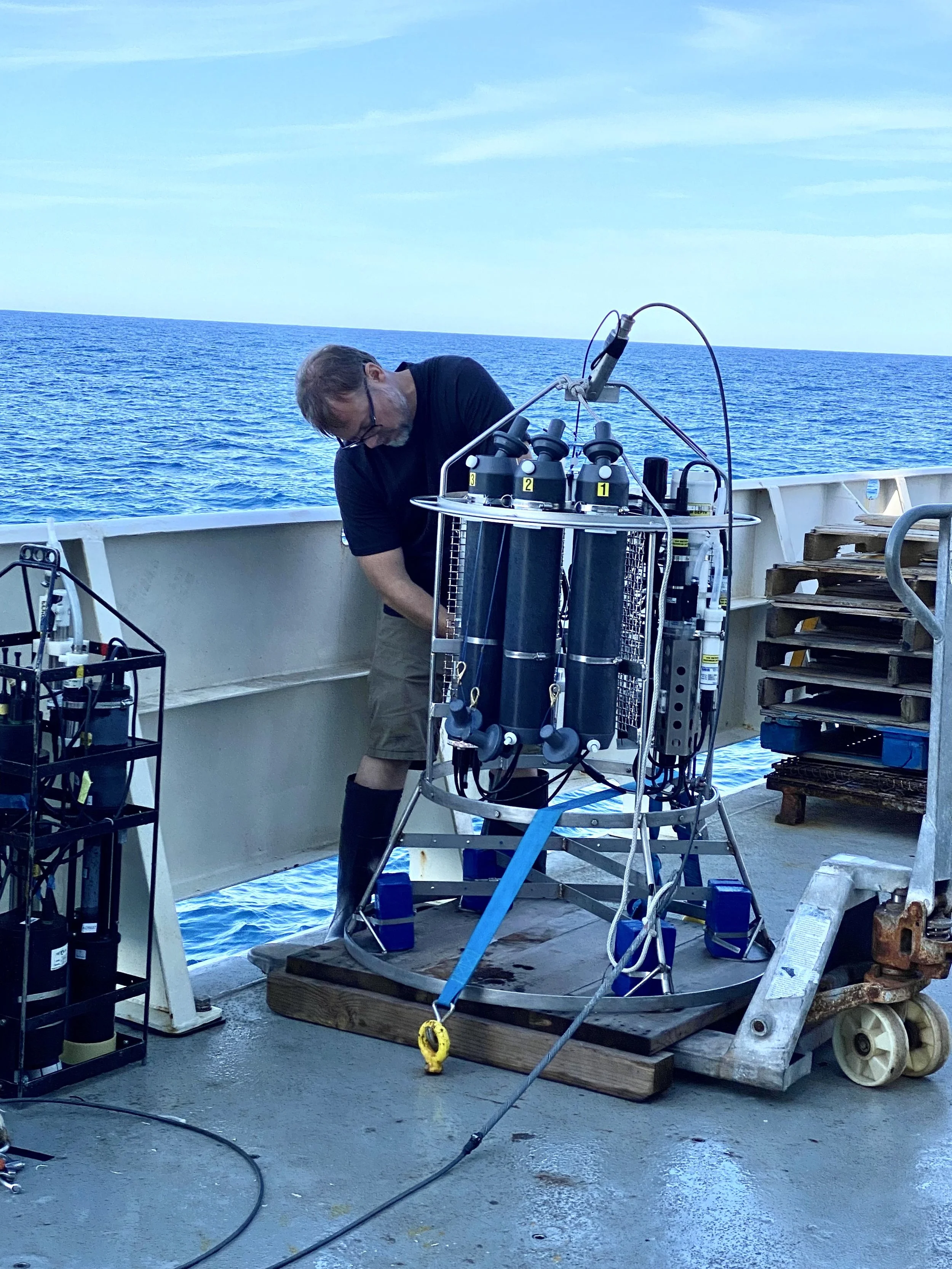
The NOAA Ocean Acidification Program supports research to understand how rising carbon dioxide is changing the chemistry of our oceans. On the U.S. East Coast, this work is carried out through the East Coast Ocean Acidification (ECOA) program, which studies coastal waters strongly influenced by rivers, runoff, and human activity. These waters naturally experience large swings in pH, and they are often less protected, or “buffered,” than the open ocean—making them especially vulnerable to ocean acidification.
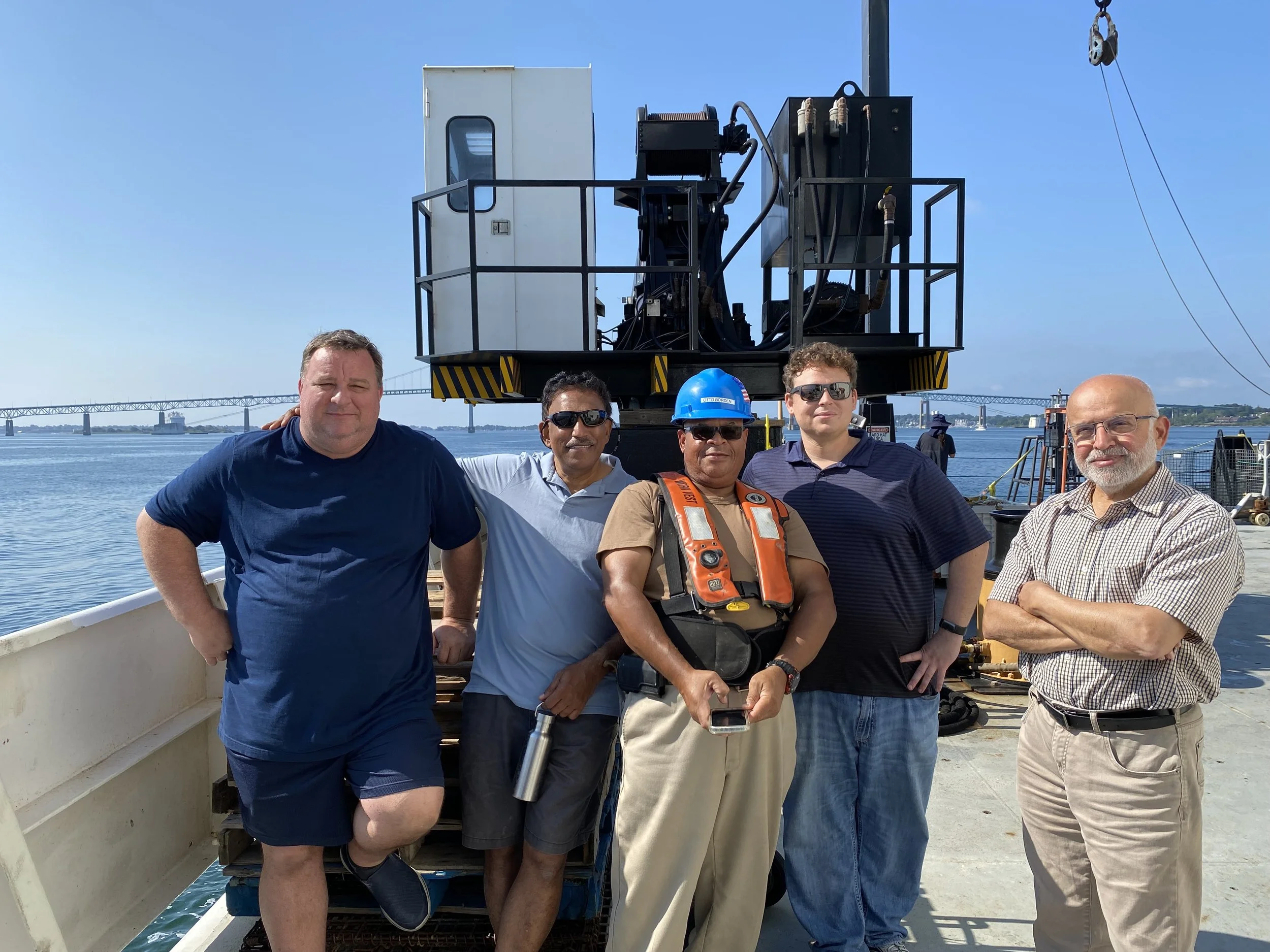
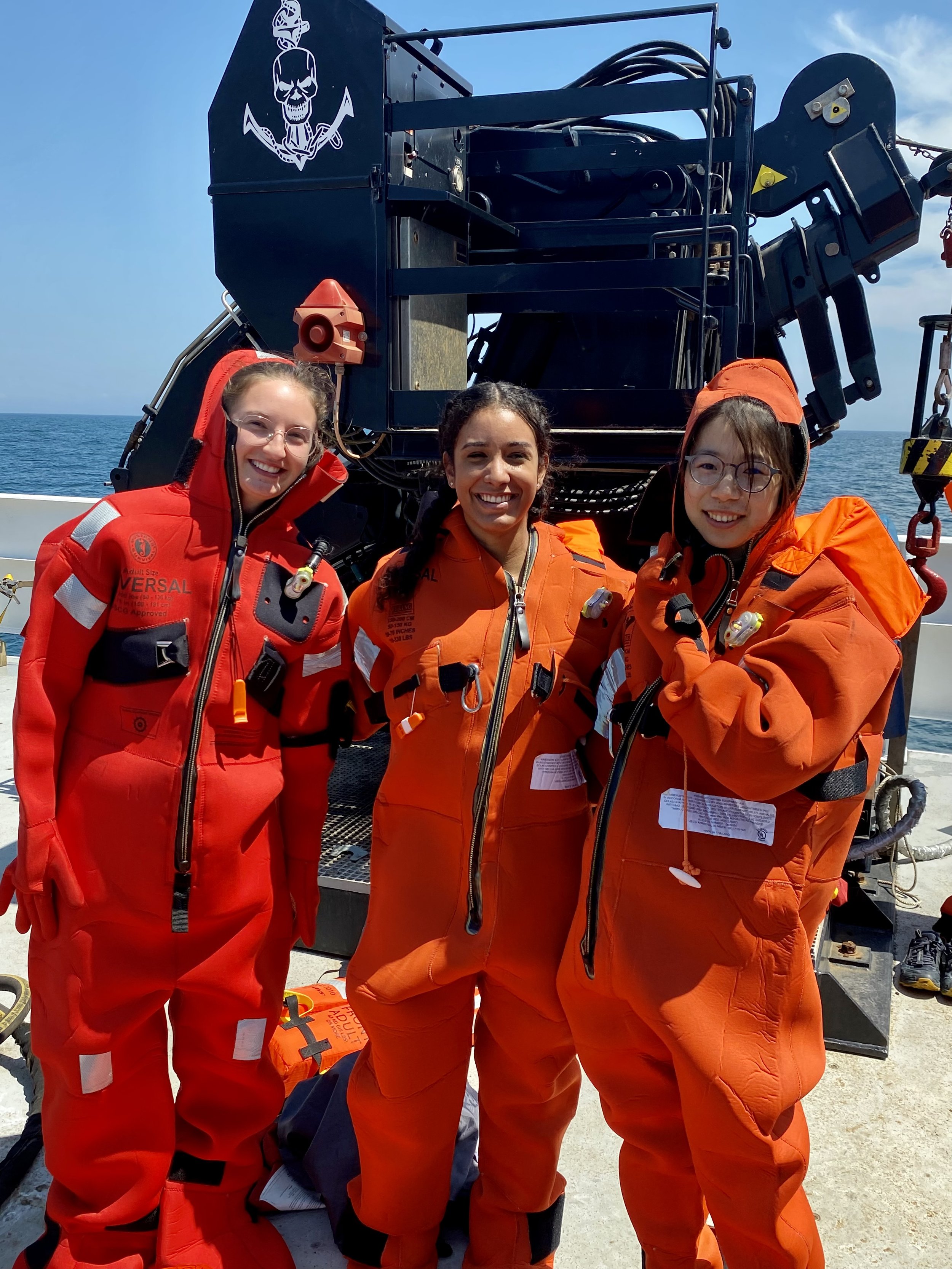
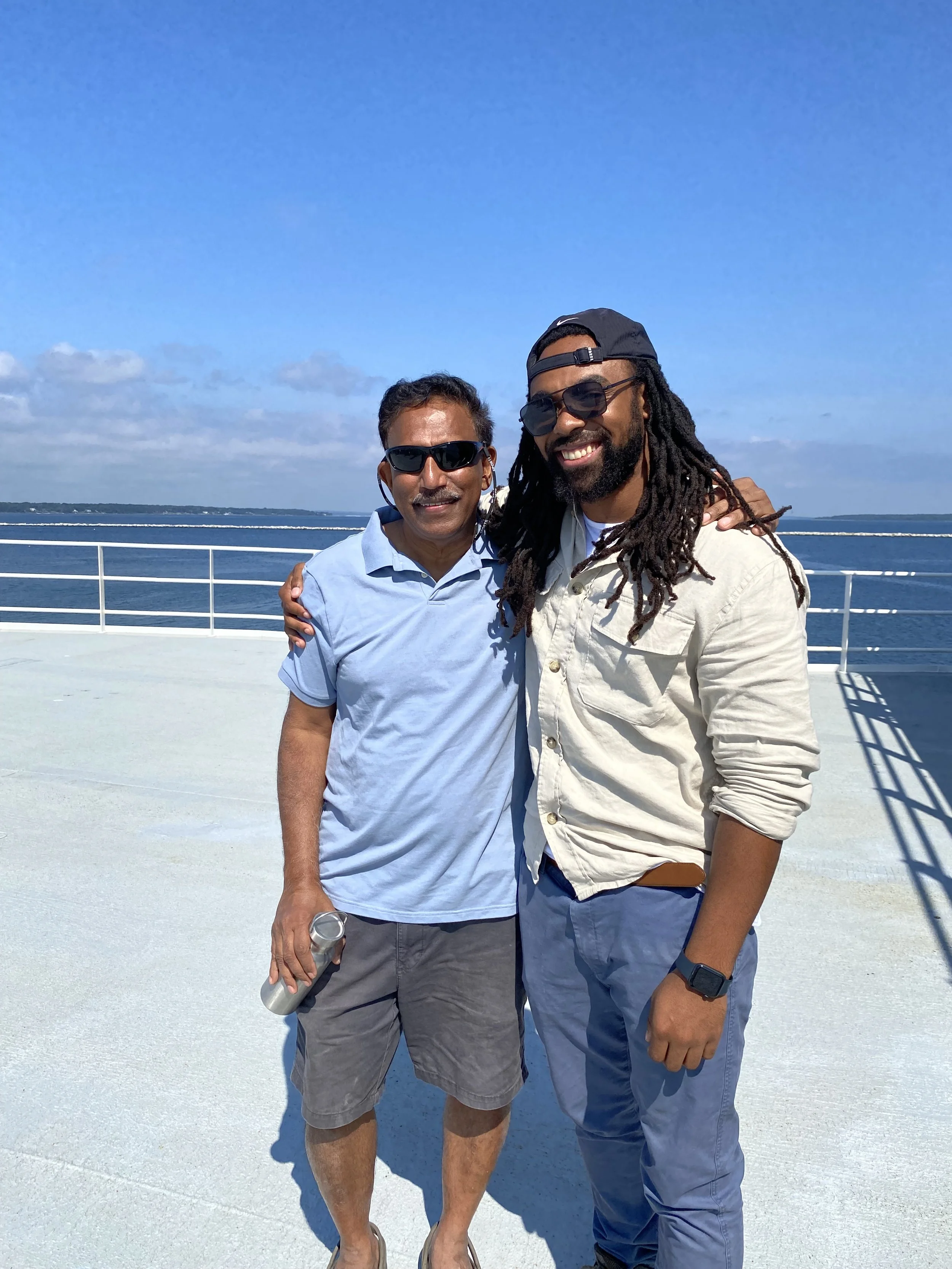
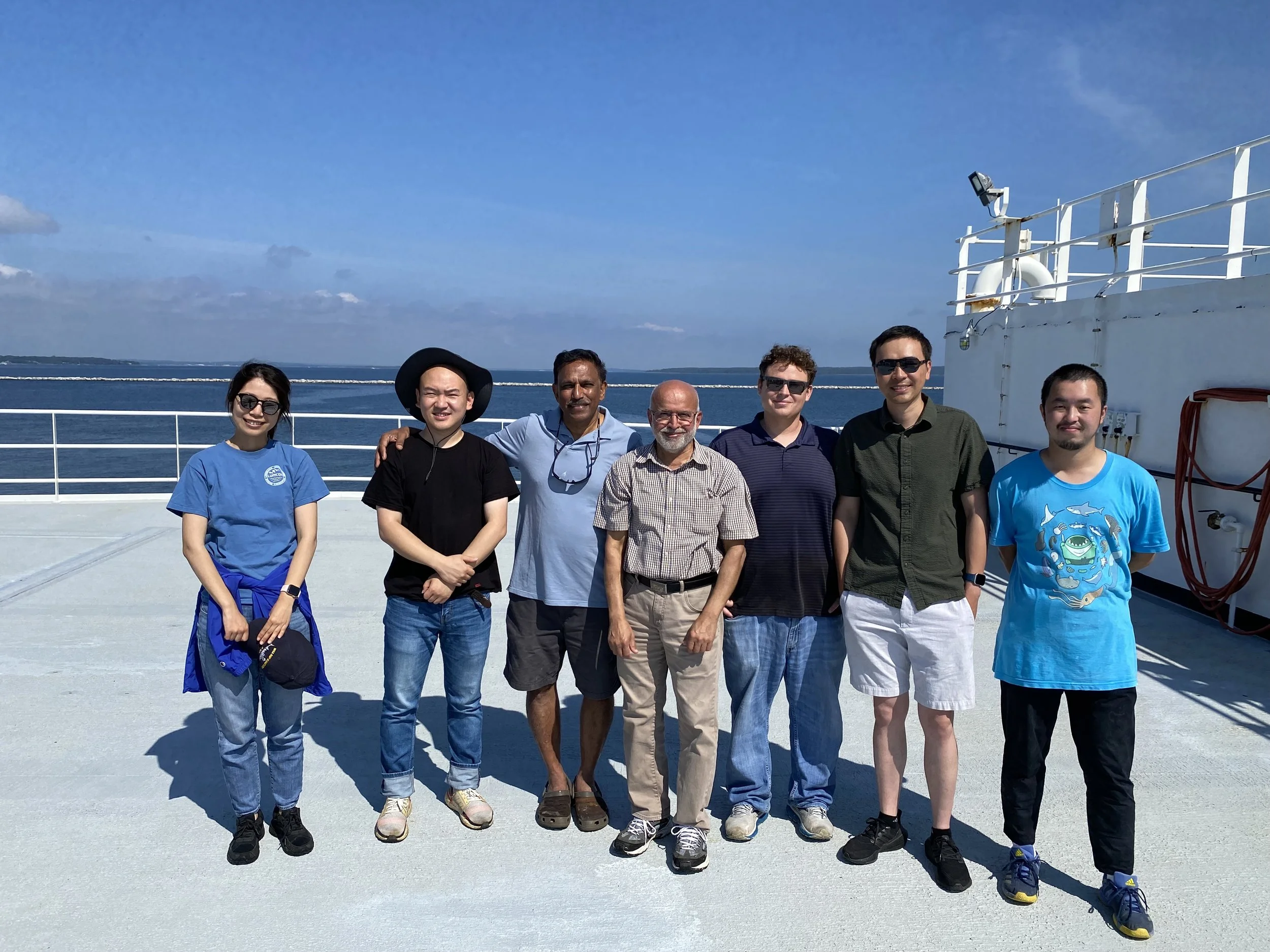
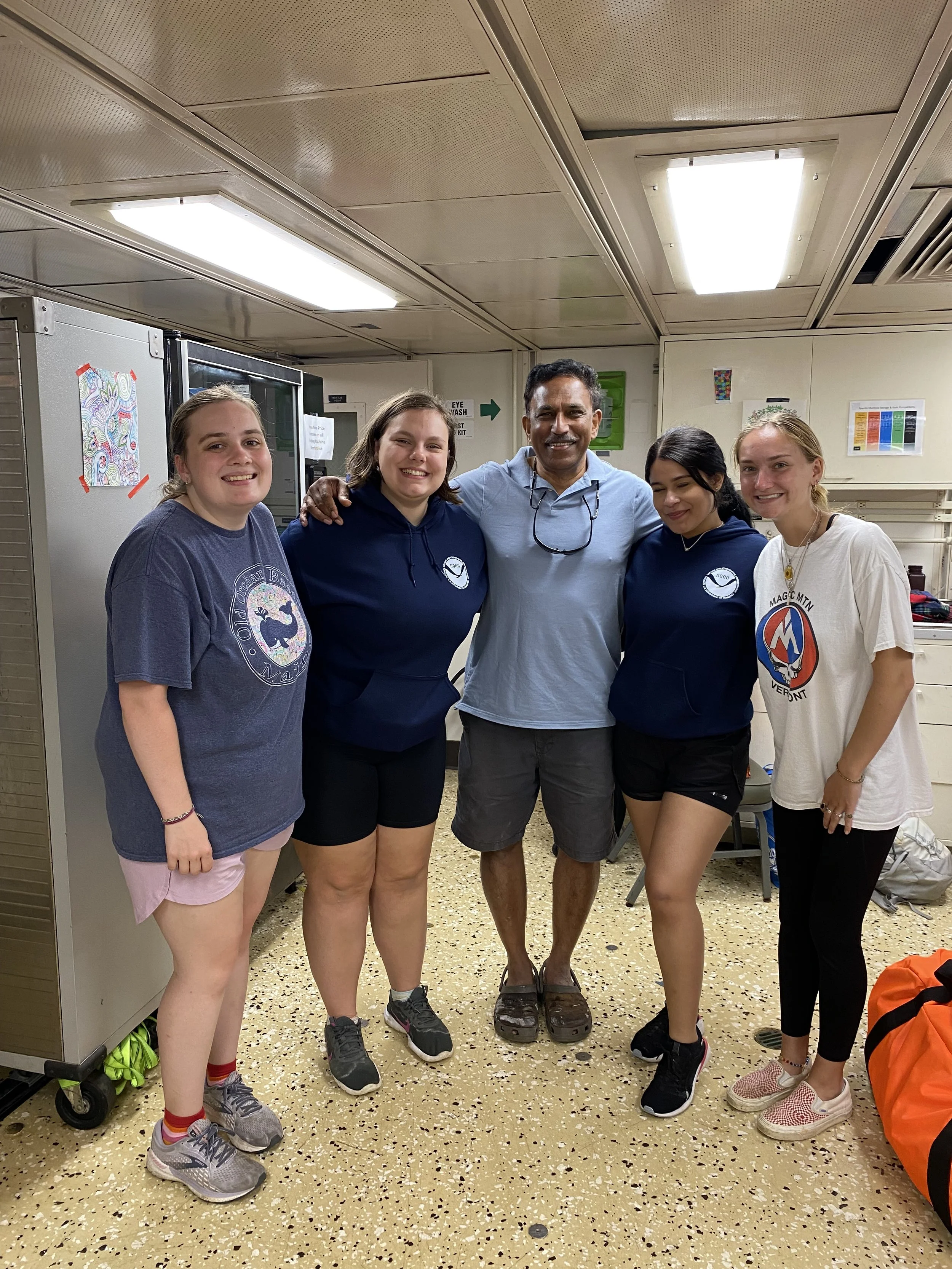
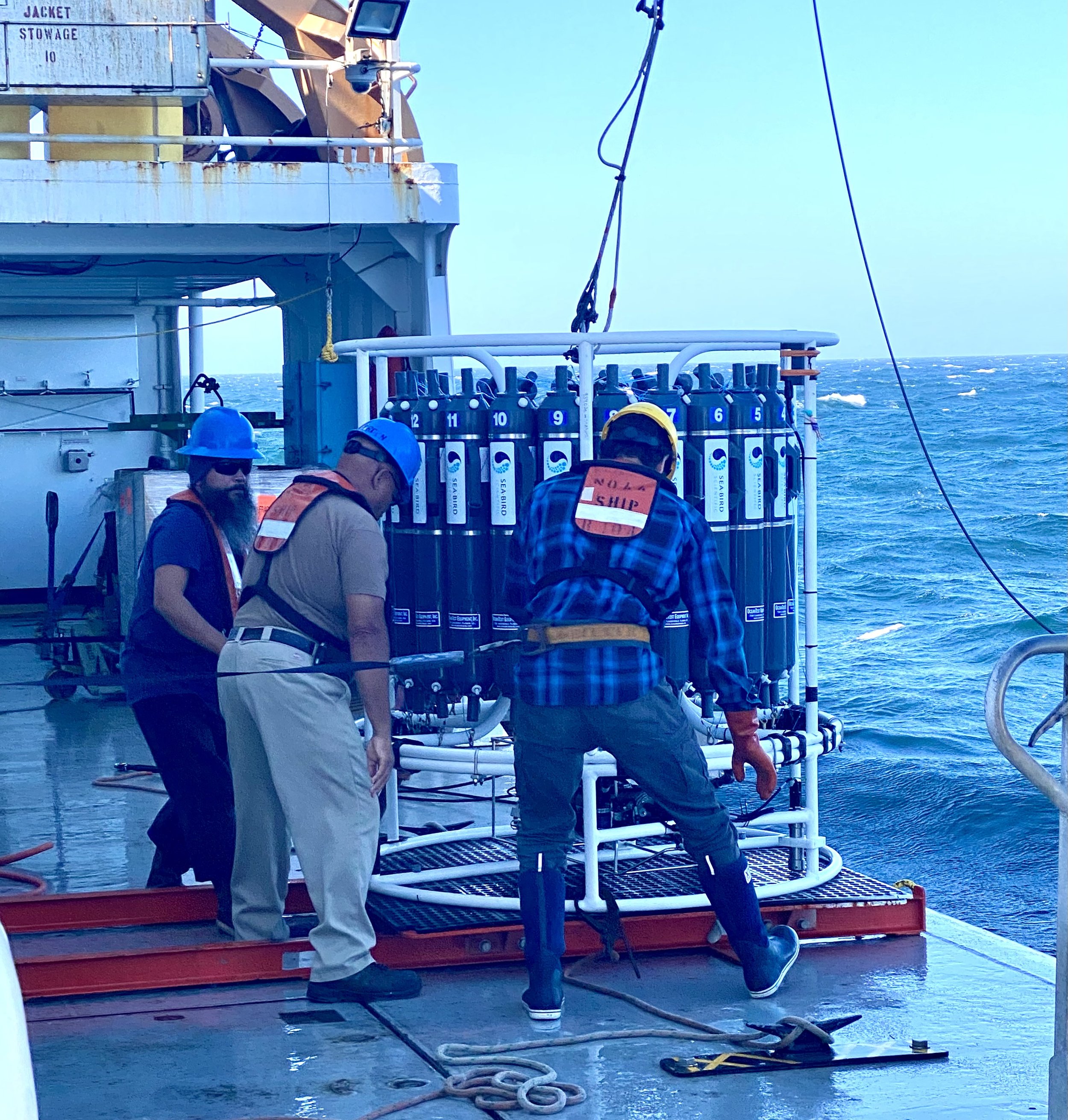
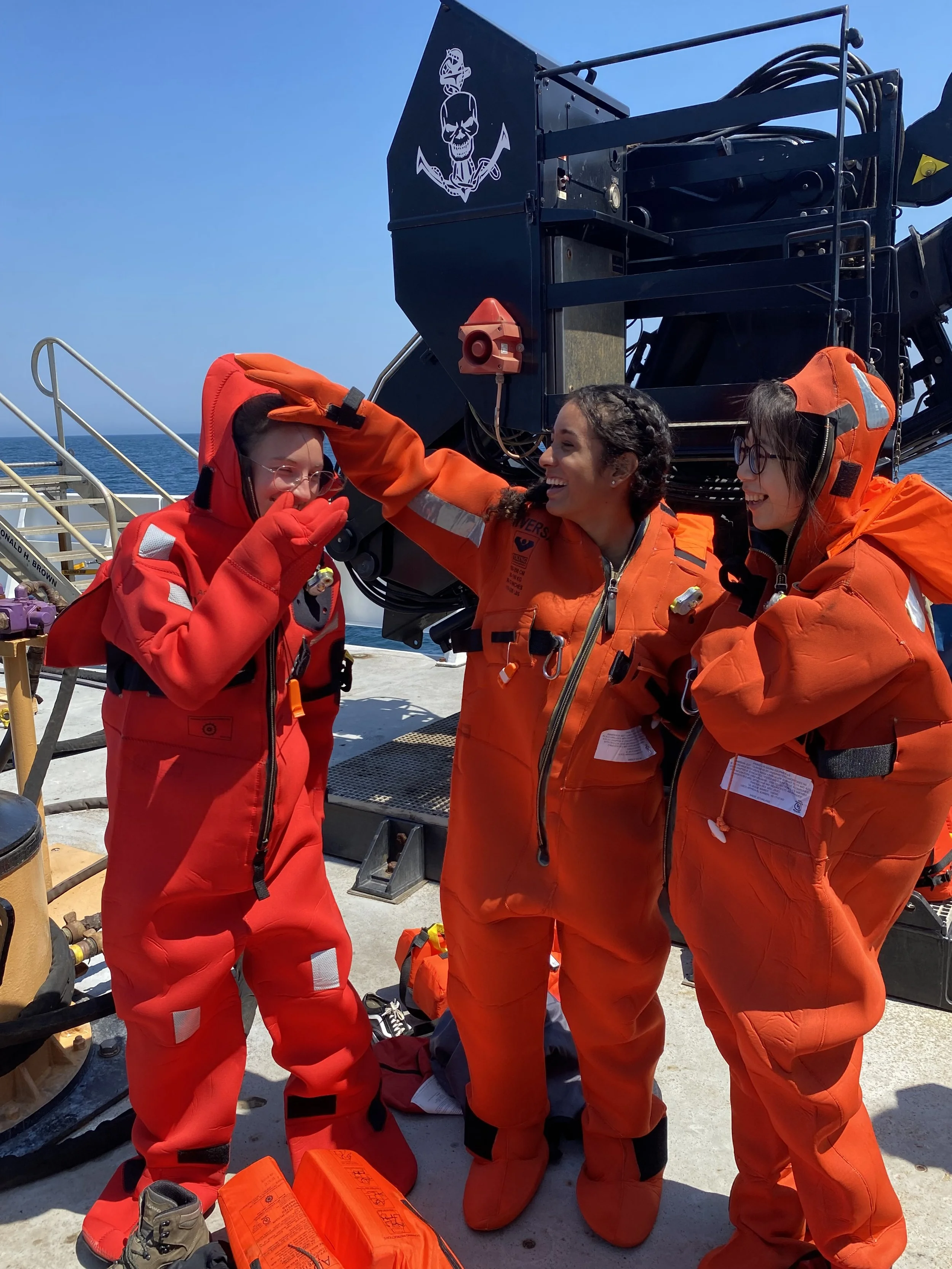
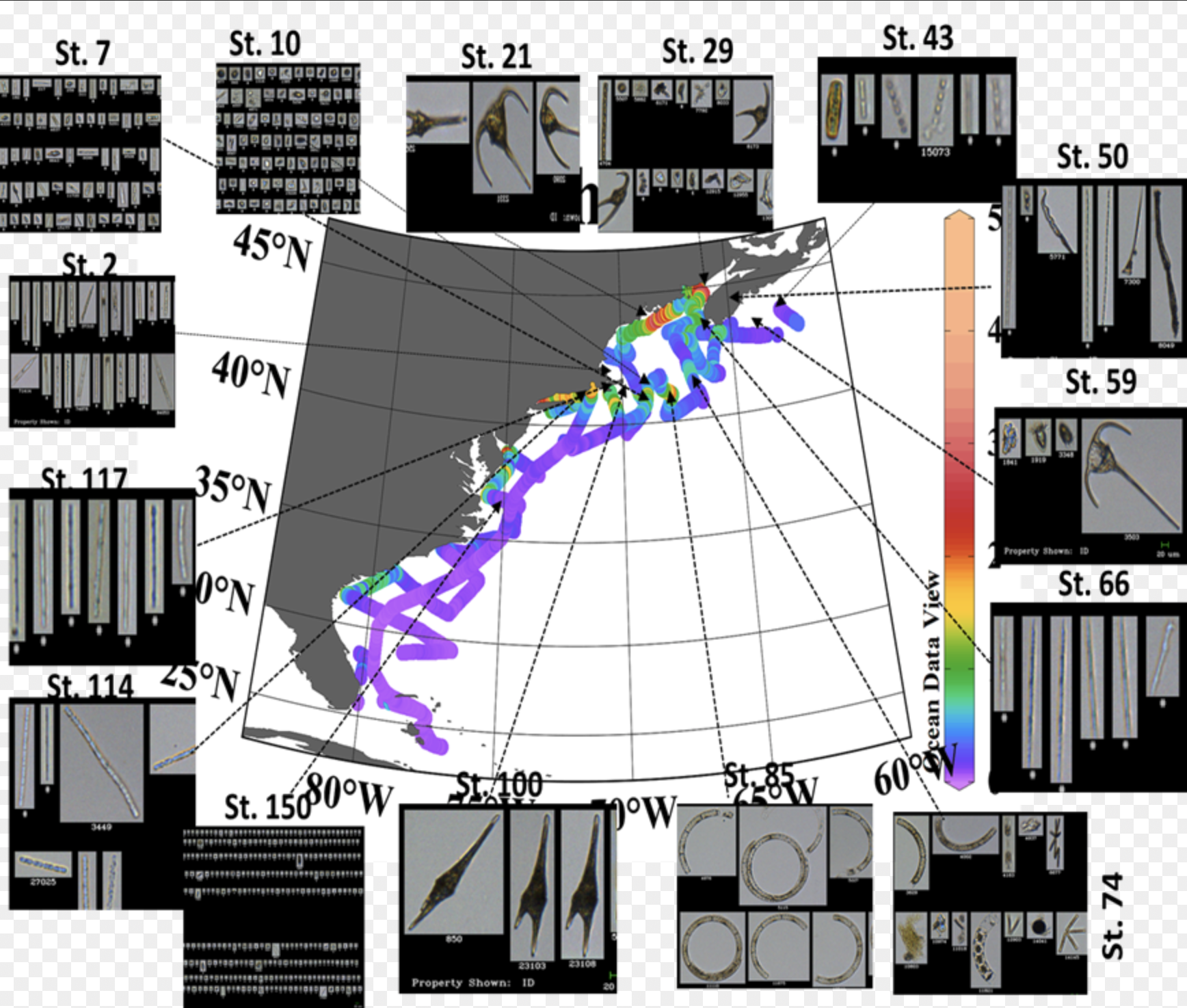
The Goes-Gomes Lab participated in ECOA-2 and ECOA-3, led by Joseph Salisbury (University of New Hampshire) and Weijun Cai (University of Delaware). Our role was to understand how microscopic phytoplankton in the ocean, respond to these changing chemical conditions.
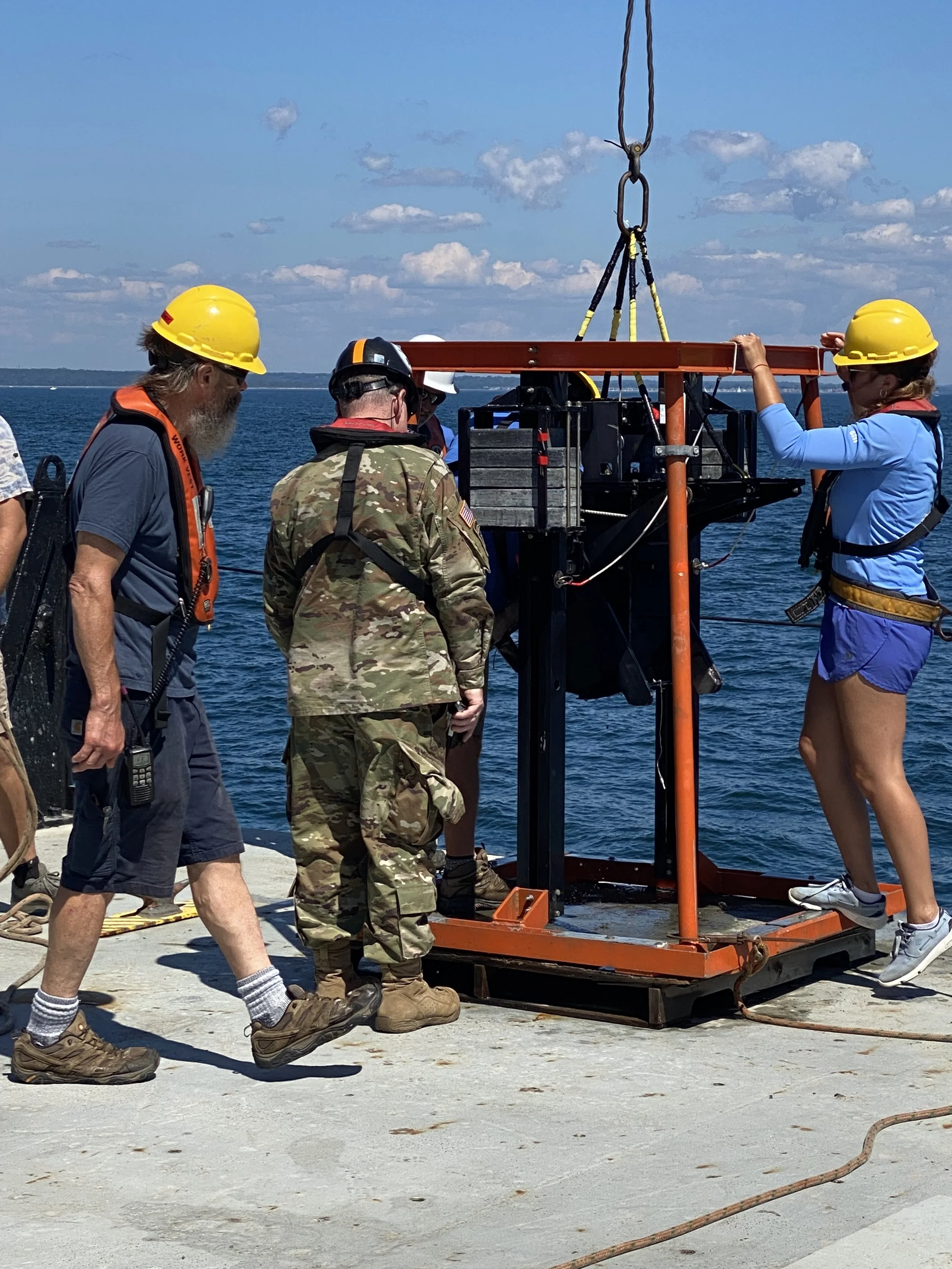
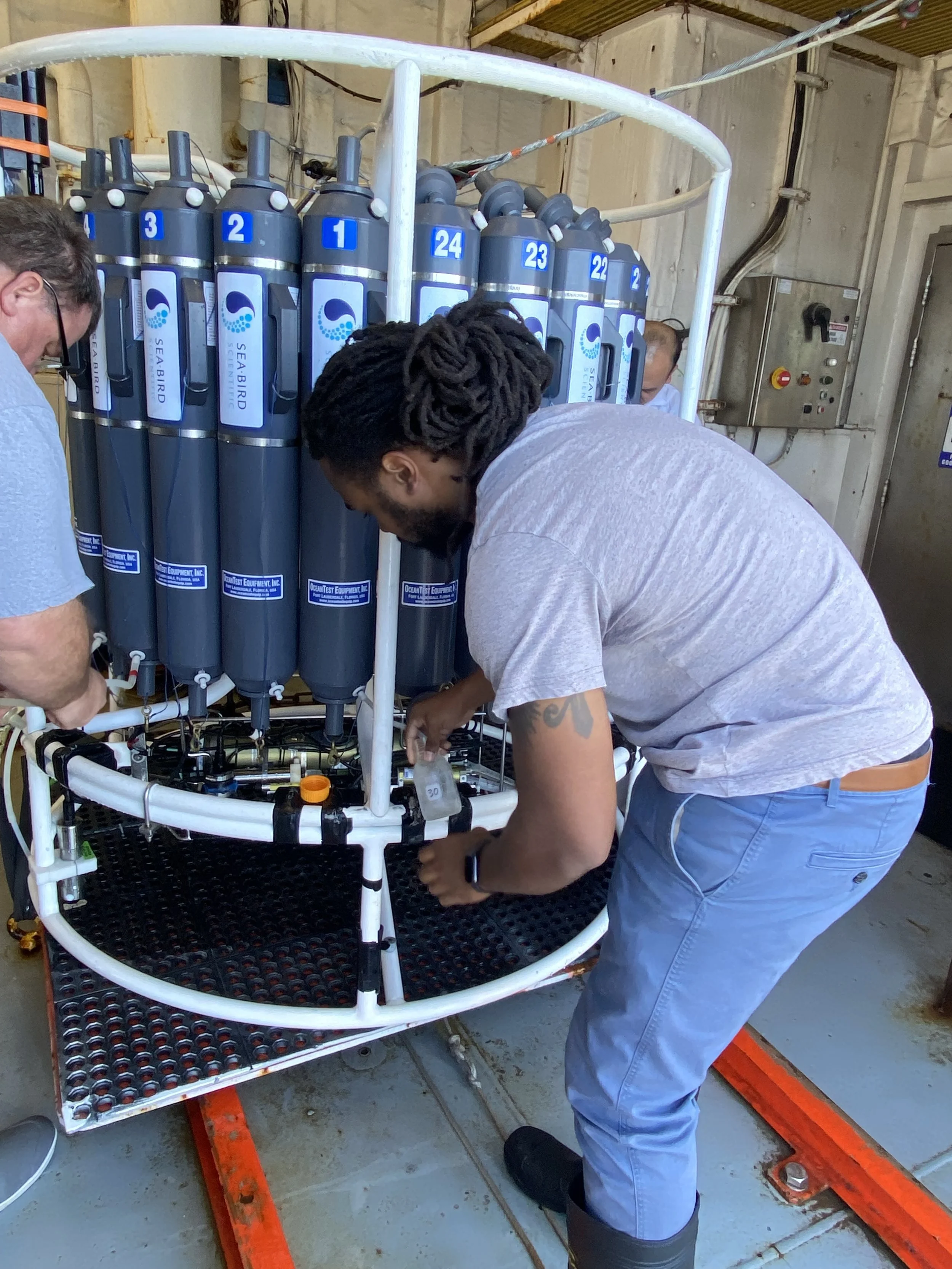
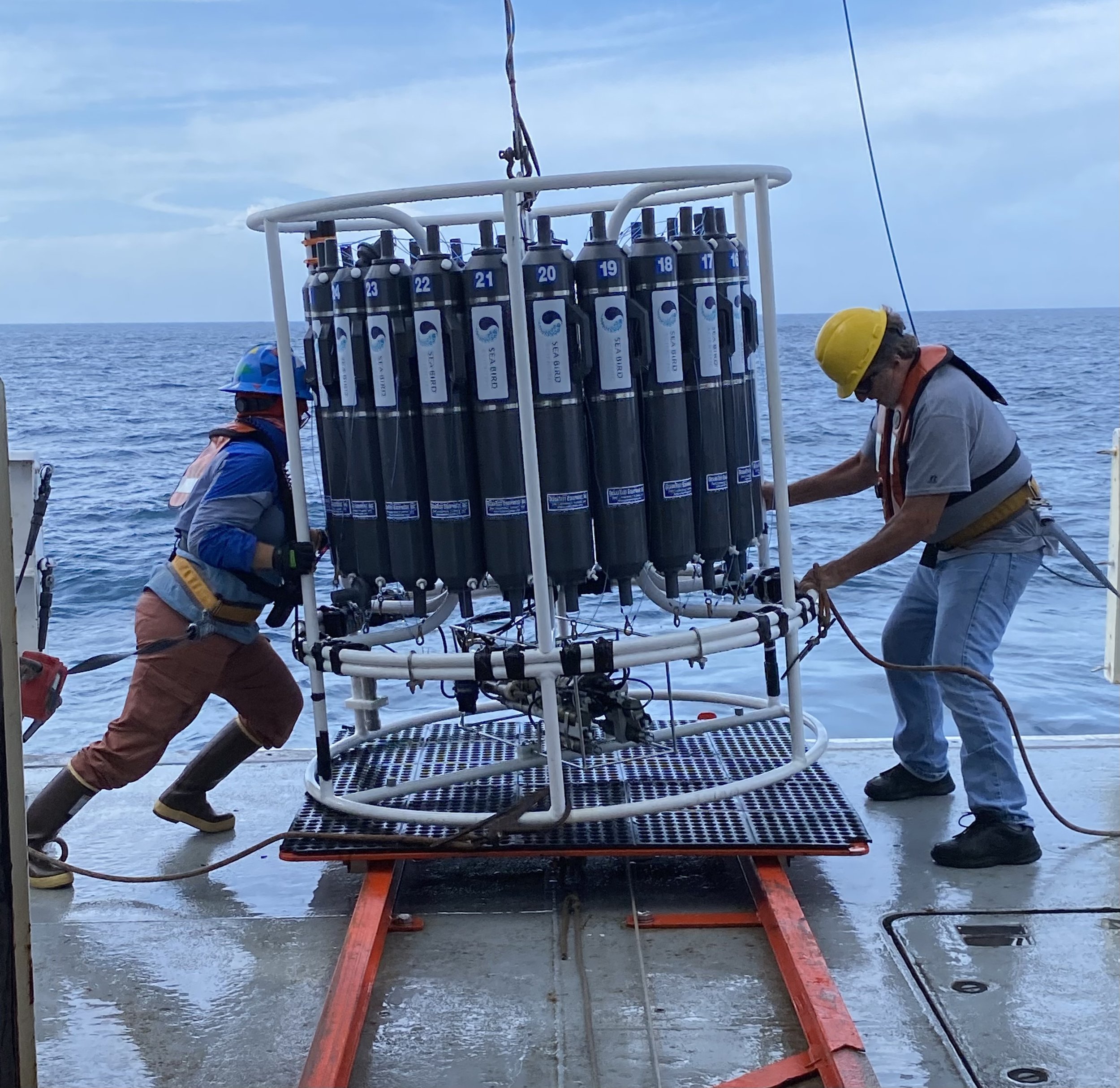
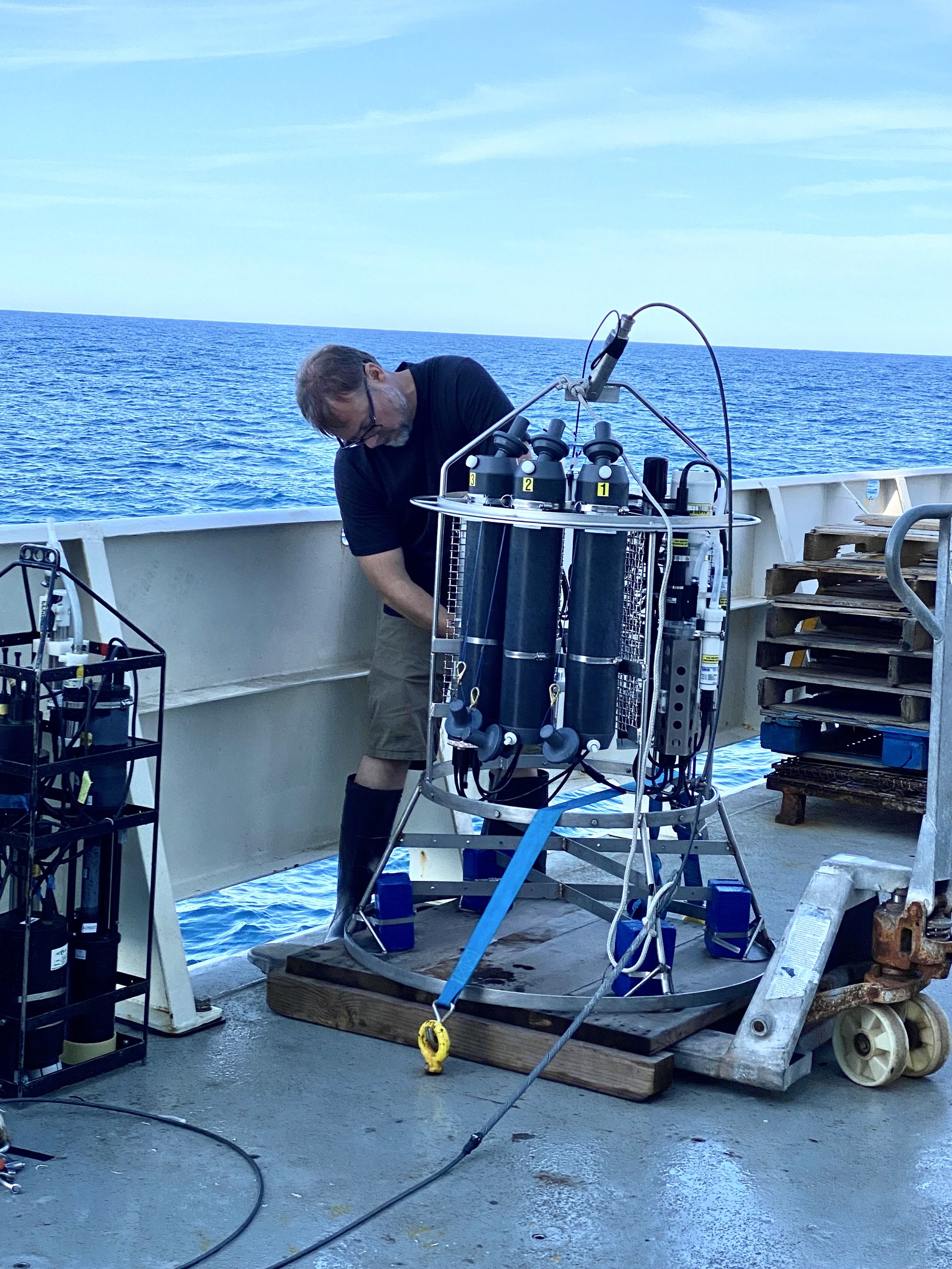
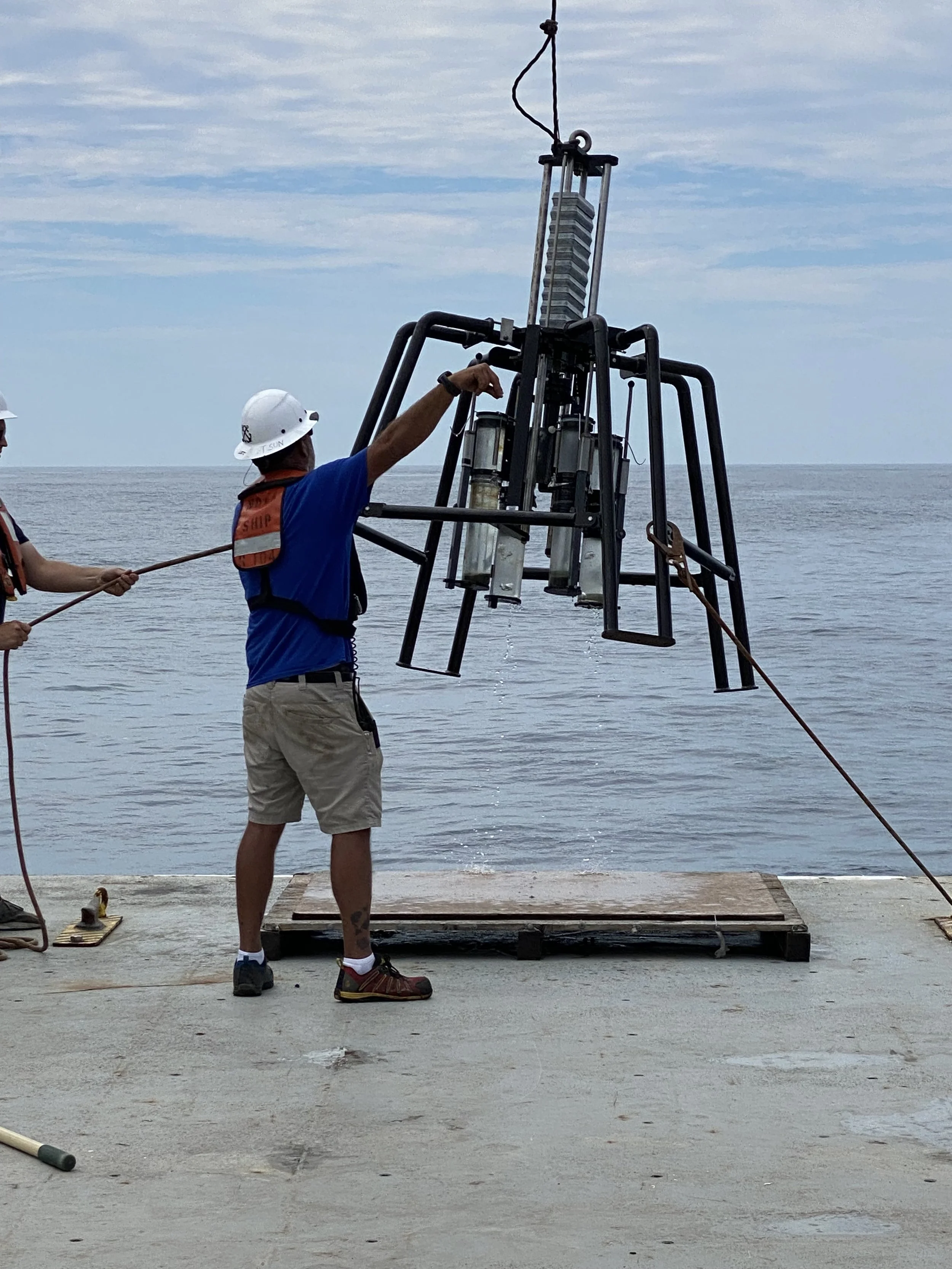
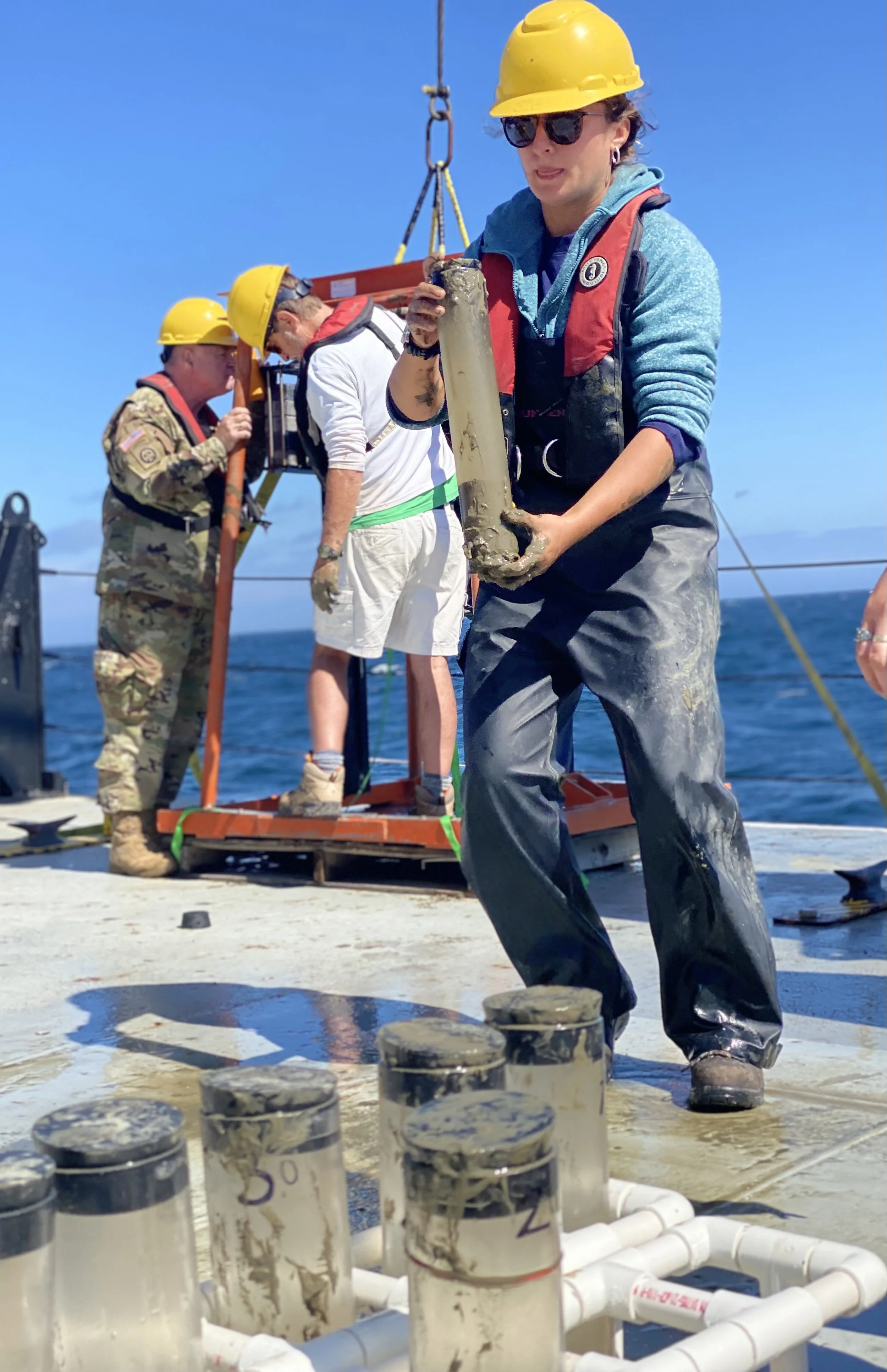
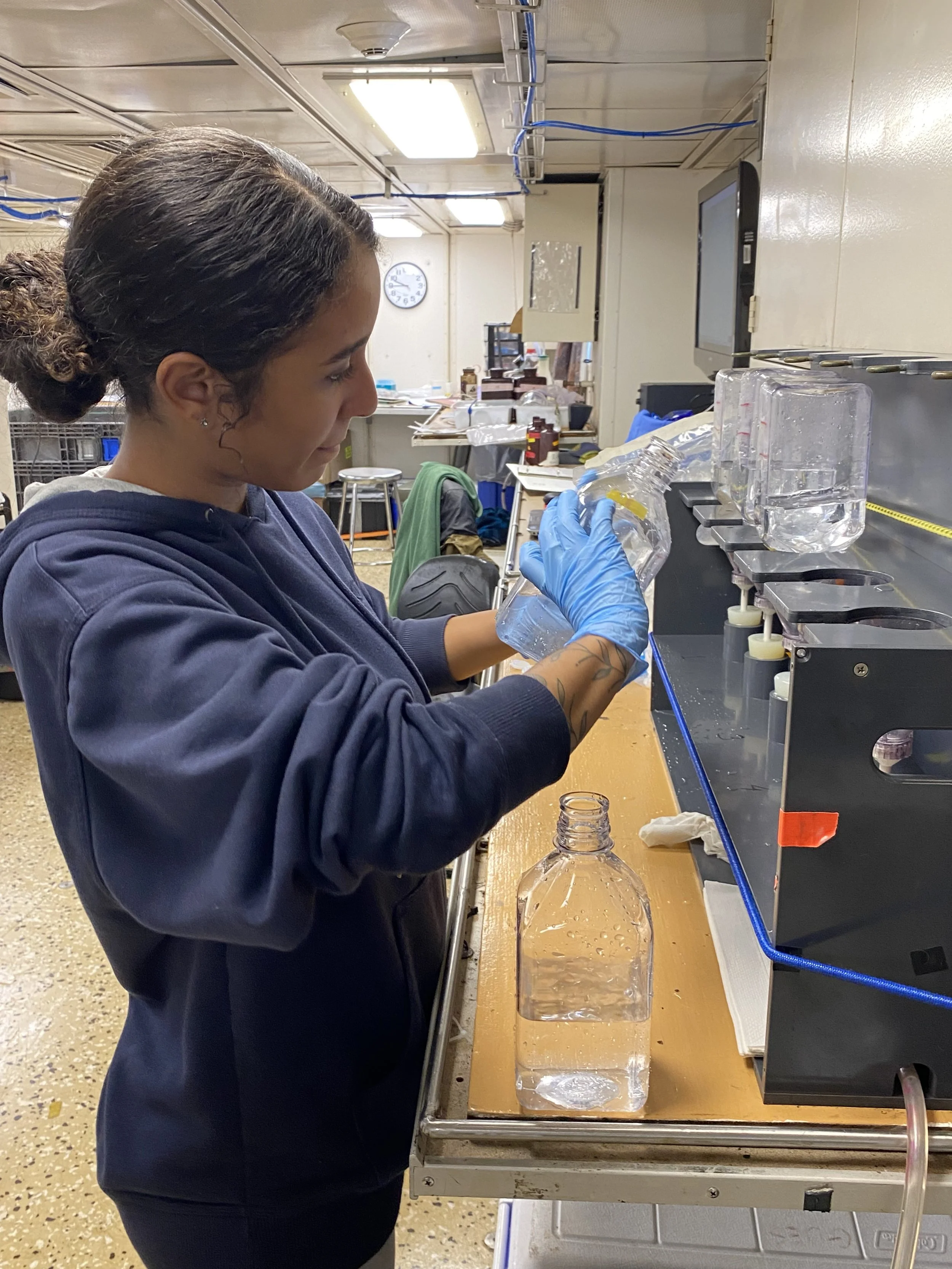
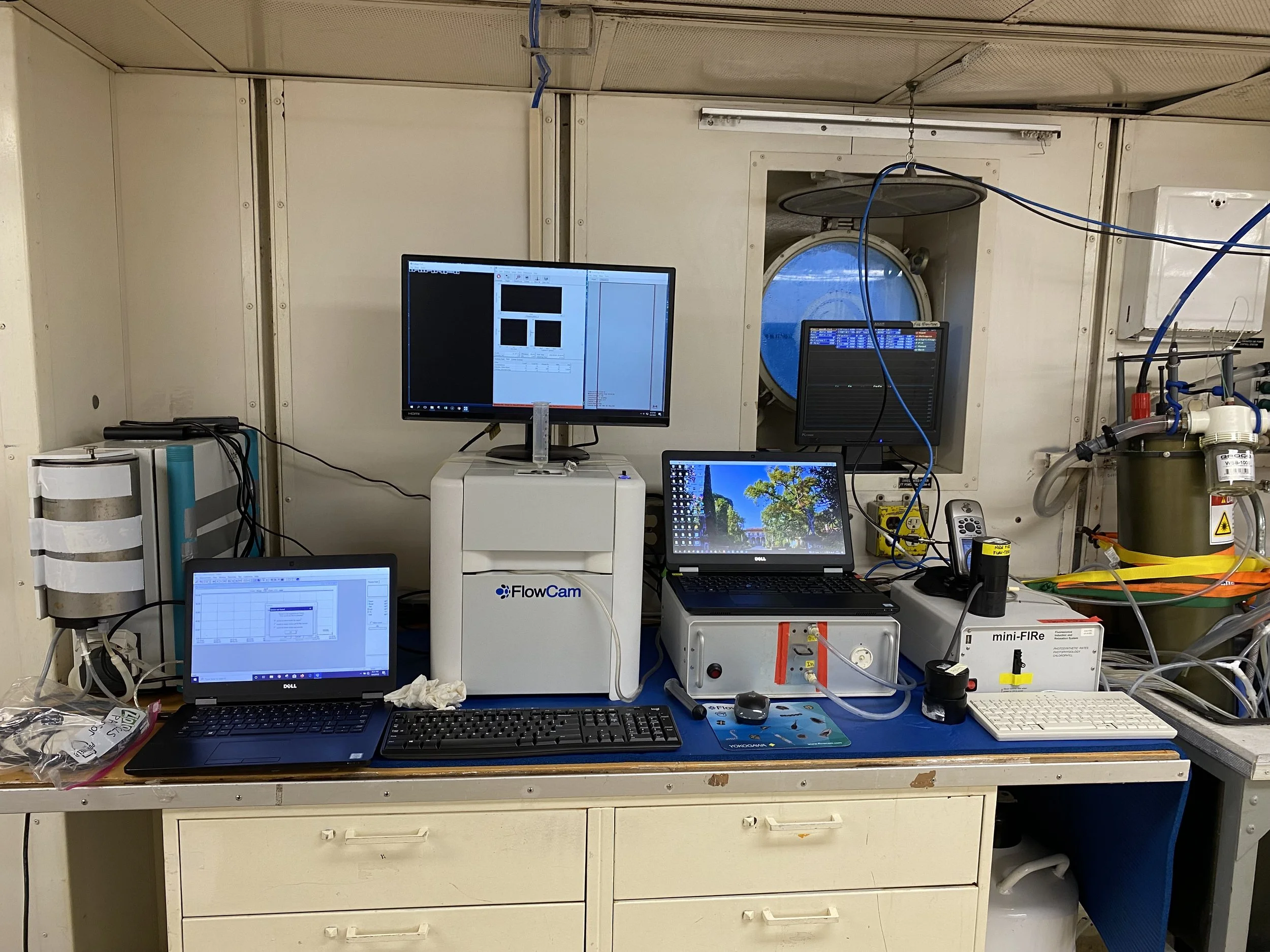
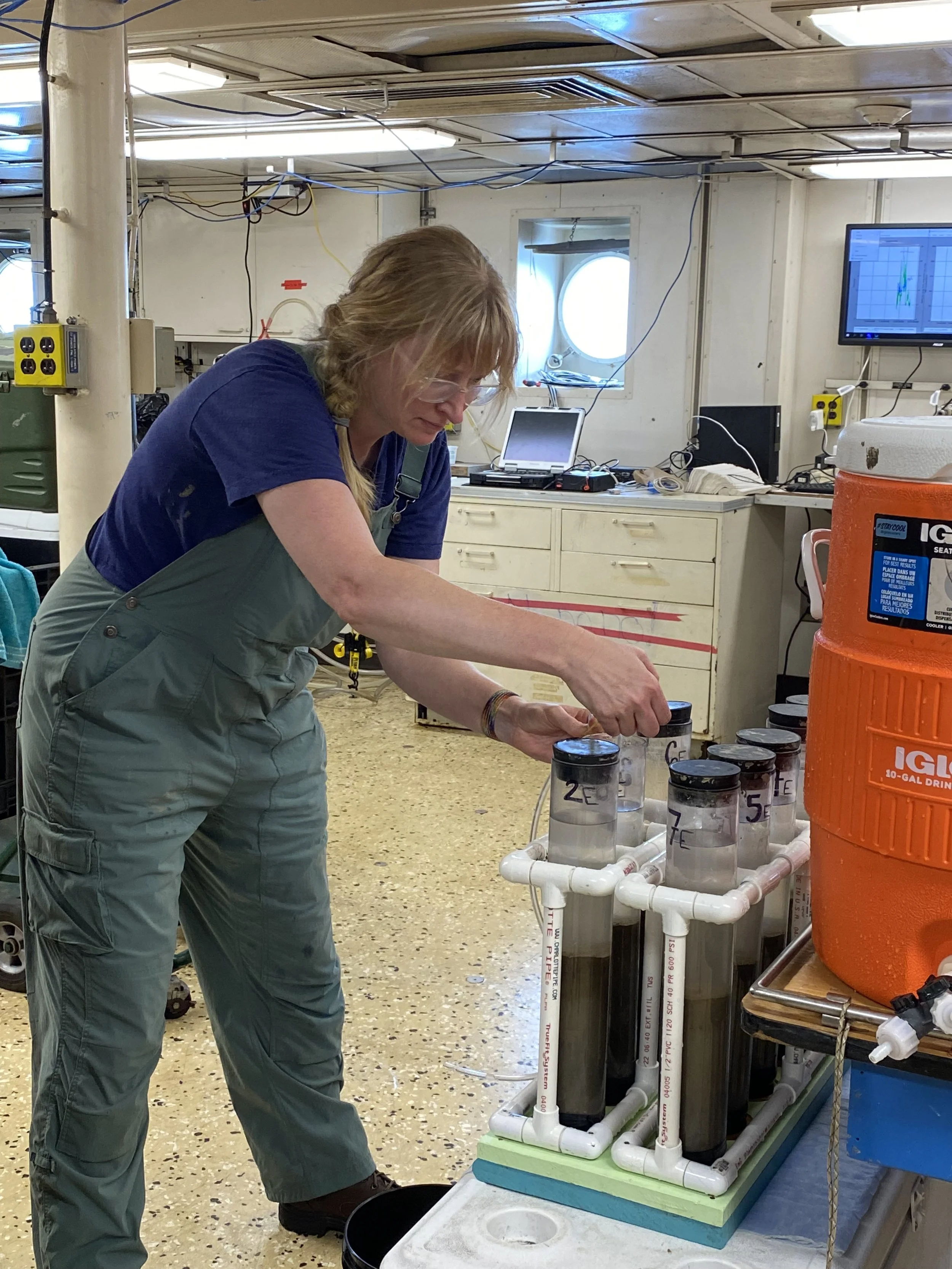
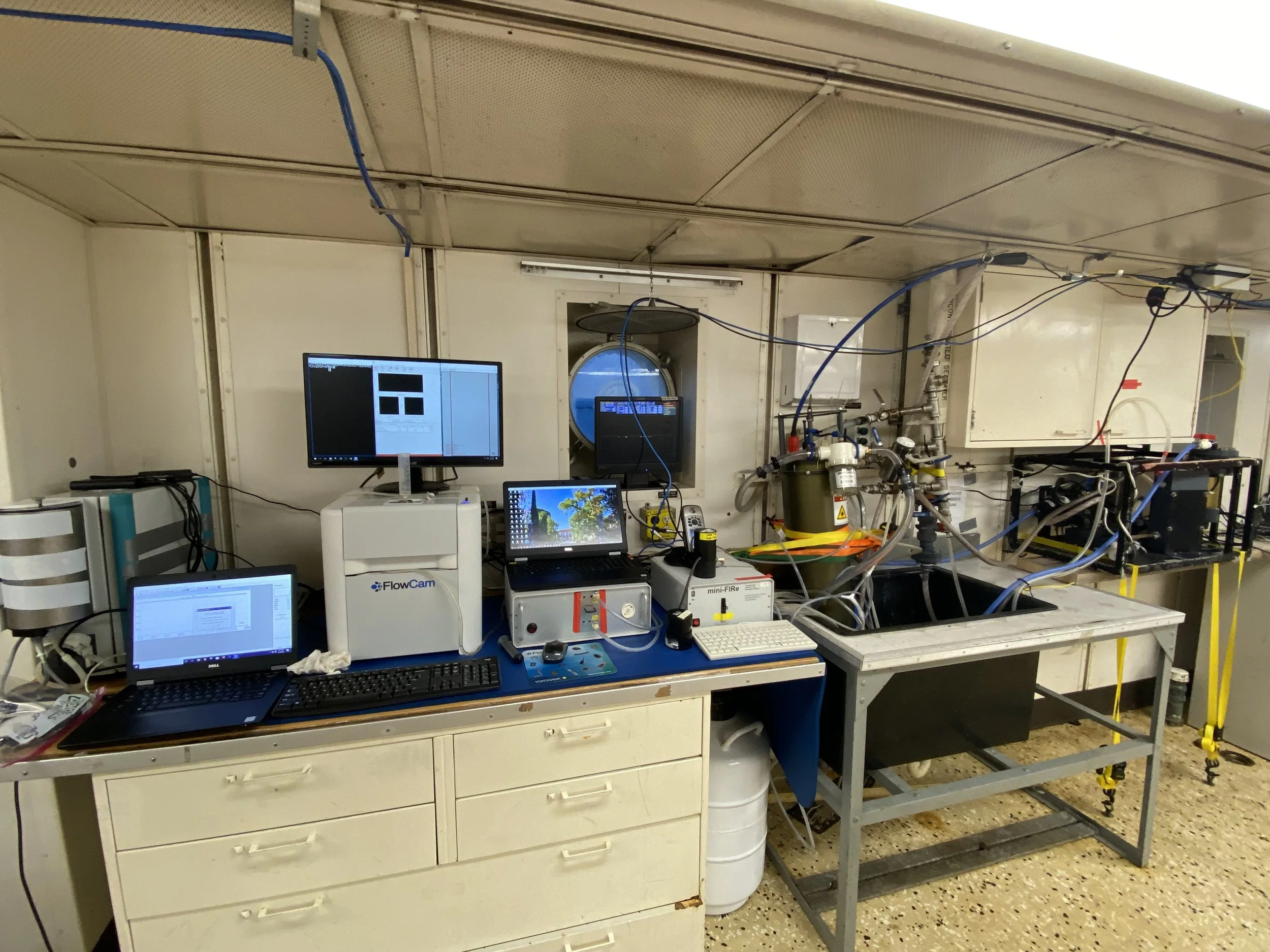
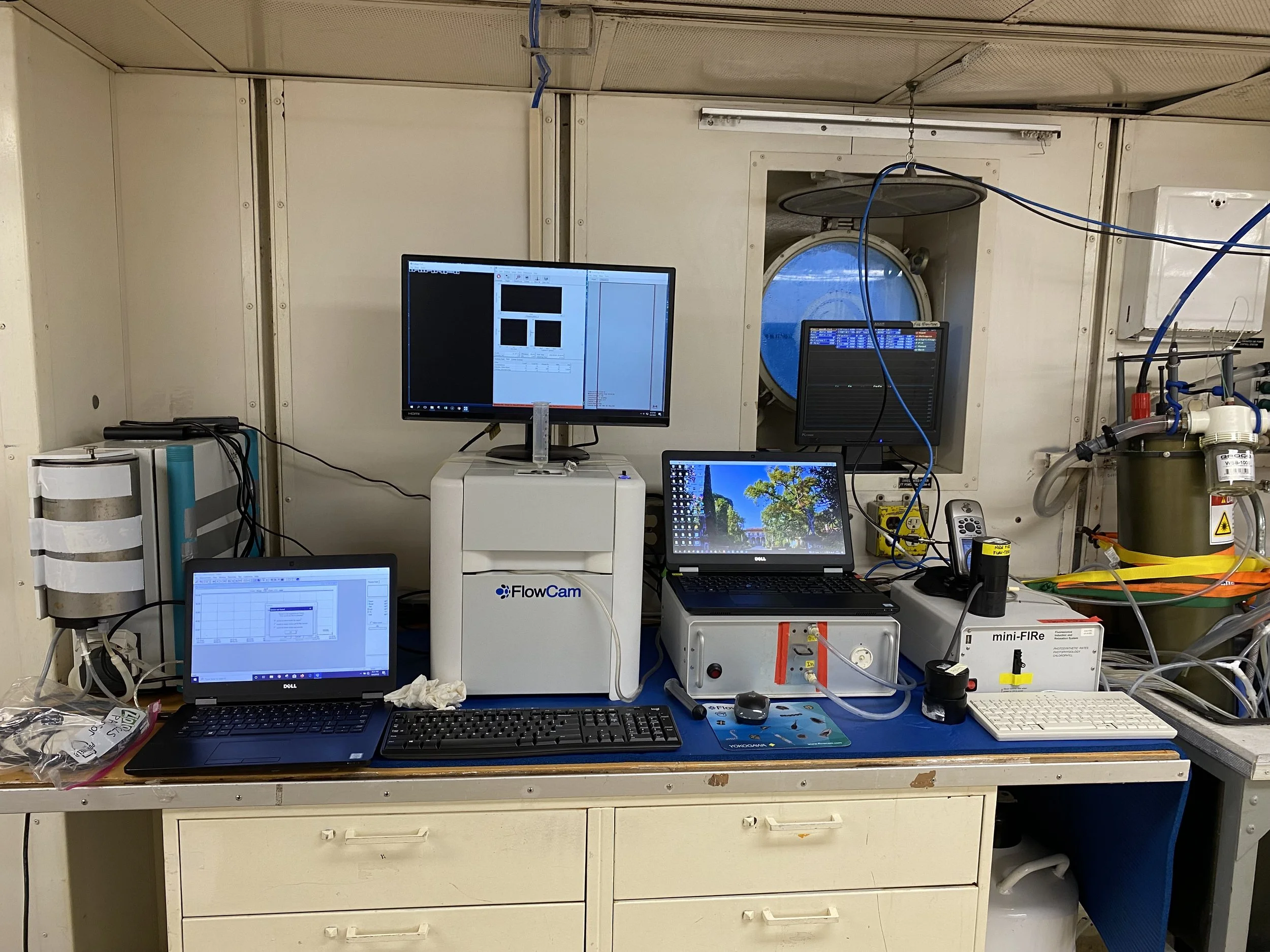
Phytoplankton form the base of the marine food web. They support everything from shellfish and small fish to larger species like tuna and whales. By conducting field surveys and shipboard experiments where we carefully adjusted carbon dioxide levels, we studied how different types of phytoplankton grow and function under changing ocean chemistry.
Our research shows that shifts in ocean chemistry along the U.S. East Coast can change which phytoplankton thrive and how efficiently they perform photosynthesis. Because these tiny organisms are the foundation of the food web, changes at this level can ripple upward—potentially affecting marine fisheries, seafood availability, and the health of coastal ecosystems in the western North Atlantic.