
Our Team
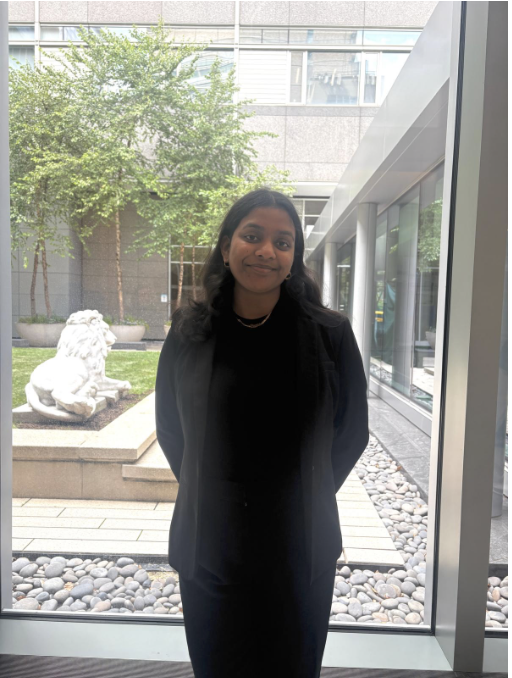
Leysha Esteves
Leysha Esteves: Summary of Work
Leysha began pursuing environmental research with her mentors, Dr. Goes and Dr. Gomes, at the end of her sophomore year at Peekskill High School. This was her first introduction to research. Throughout her time with Dr. Goes and Dr. Gomes, Leysha sought to understand how climate-change, natural disasters, and pollution influence not only the Arabian marine ecosystem and the well-being of communities relying on the Arabian Sea's ecosystem for sustenance. This research was especially meaningful to her because her family had immigrated to the United States from Goa, a small state on India's west coast. Her community's way of life and source of food rely on the protection of the Arabian Sea's ecosystem.
In her first year of research, Leysha worked alongside her twin sister Leonah Esteves to create an oceanic research study after analyzing NASA satellite images throughout their first summer.
“During the summer, Leonah and I were generating chlorophyll concentration maps to see changes in bloom patterns over the course of a year. I noticed a bloom anomaly and wanted to understand its cause. I learned that a major cyclone passed over the Arabian Sea before the bloom appeared. This finding led Leonah and I to create a research project analyzing the growth of phytoplankton following the passage of various cyclones across the Arabian Sea. We argued that cyclones may alter the timeline of blooms and influence the biodiversity of the Arabian Sea's ecosystem, especially as the risk of cyclones increases due to a rise in sea surface temperatures globally.
In my second year working as a student researcher, I was able to pursue wet-lab research after quarantine restrictions during the pandemic were lifted. I chose to take on a project on the effects of microplastics on the mixotrophic dinoflagellate Noctiluca scintillans, an algal species whose dominance in the Arabian Sea has harmed the marine ecosystem. Through my research, I determined that the presence of microplastics in water has increased the growth of N. scintillans. I found a unique way in which microplastic pollution indirectly harms fish in the Arabian Sea.” (Leysha)
For their first research their first project Leysha and Leonah won the Leason Ellis Team Project Award at the Regeneron Westchester Science and Engineering Fair (WESEF) in 2022.
In her senior year of high school, Leysha won the regional Stockholm Junior Water Prize at WESEF in 2023. She later won the New York State Stockholm Junior Water Prize Research Paper Competition, and a week before her high school graduation, she went on to represent New York State in the USA Stockholm Junior Water Prize, a national competition, in Golden, Colorado.
Currently, Leysha is a junior attending Barnard College in New York City. She is pursuing a Bachelor’s of Arts degree in Neuroscience and Behavior as well as Human Rights. She chose to pursue both fields because she wants to continue understanding how social issues, socioeconomic disparities, health policies, and environmental problems influence the well-being of communities in New York and around the world.
Leysha is especially thankful for the opportunity and exposure to research her mentors have given her in high school and for their continued support of her educational endeavors in university. She attributes her success not only to her own efforts, but to her family, mentors, teachers, professors, friends and peers that have helped her create her path. Leysha is a first-generation college student and would like students with similar identities to know that you are capable of achieving your wildest ambitions through your efforts, courage, and faith. She encourages students to find supportive mentors that are willing to teach and guide them in new pursuits they wish to take on.
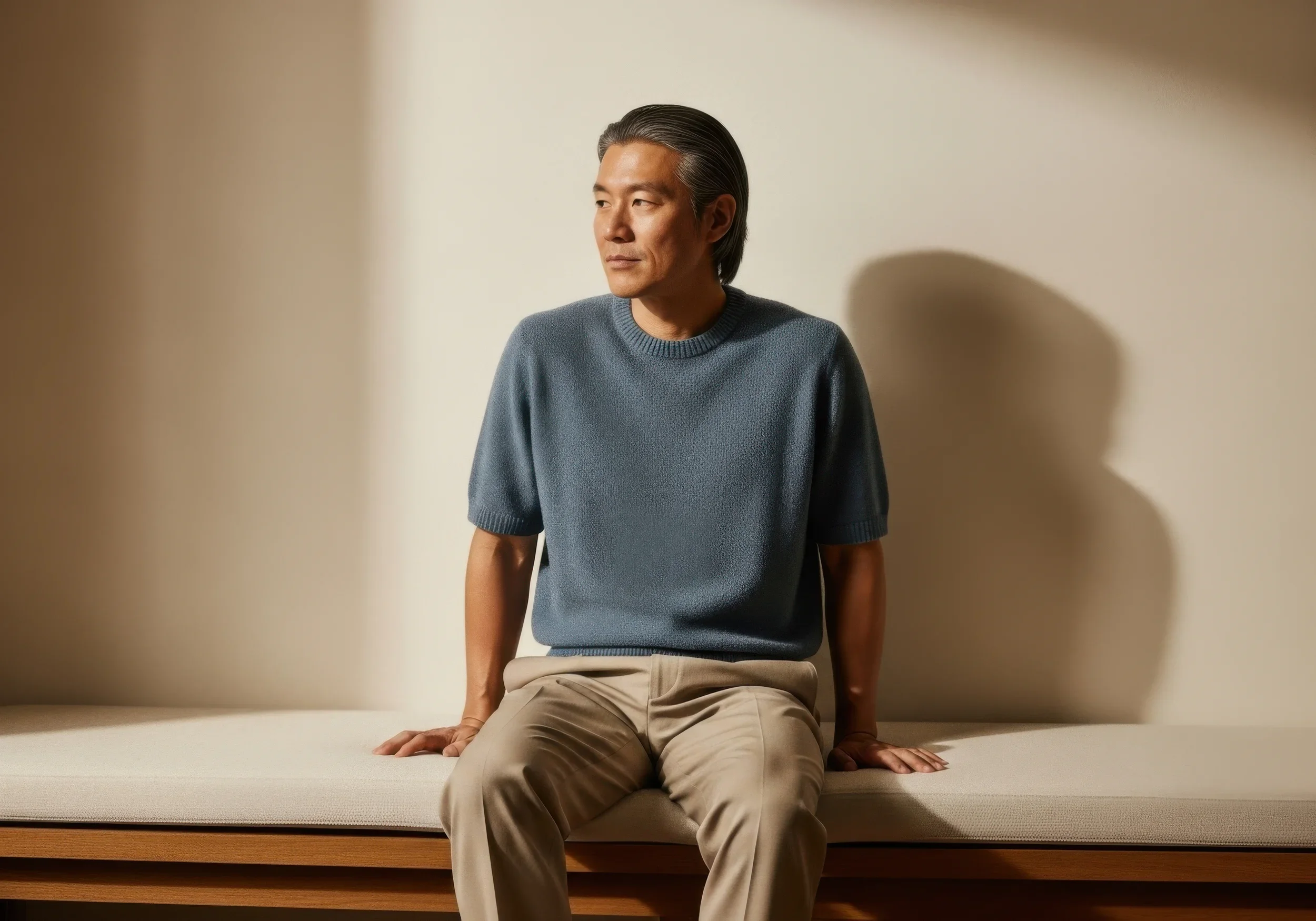
Sales ManagerEmmet Marsh
Focused, approachable, and driven by results, our sales manager is all about building strong relationships. They help connect people to the right solutions—with clarity and care.